
Starlink price hike: SpaceX has increased residential and Roam plan prices by $5 to $10 and has raised the Standby Mode fee to $10.
TL;DR: SpaceX has increased the prices of all consumer Starlink plans by $5 to $10 each month and doubled the Standby Mode fee from $5 to $10. This change is effective immediately for new customers and will apply to existing subscribers starting 18 June. The increases coincide with Starlink surpassing 10 million users and SpaceX preparing for its IPO.
SpaceX has raised prices for all consumer Starlink plans in the U.S., adding $5 to $10 per month across its residential and mobile offerings, while Standby Mode has seen its price rise from $5 to $10. These adjustments take effect immediately for new subscribers and will impact existing customers starting from their next billing cycle after 18 June. This price hike occurs as SpaceX gears up for a potentially record-breaking initial public offering and with Amazon’s satellite internet service nearing its commercial launch.
What changed:
The new pricing affects all consumer tiers except for the recently released Roam 300GB plan, which remains at $80 per month. Residential plans, meant for fixed-location use, have seen increases: the 100 Mbps tier has gone from $50 to $55, the 200 Mbps tier from $80 to $85, and the MAX tier from $120 to $130. For Roam plans, enabling mobile use at speeds up to 100 mph, the Roam 100GB plan now costs $55 instead of $50, and Roam Unlimited is now $175 instead of $165.
A significant change is the increase in Standby Mode costs, which allows users to pause their service while maintaining a basic 500 Kbps connection for emergencies and updates. Previously an appealing option at $5 monthly for seasonal users and RV owners, the new $10 price makes it considerably less attractive. This increase, alongside recent restrictions on Standby's features, diminishes its appeal.
SpaceX's rationale was brief, stating that the adjustment aids in ongoing improvements and investments as global operating costs rise.
The business context:
These price hikes come at a time when SpaceX’s satellite internet operation is thriving. Starlink hit the milestone of 10 million subscribers globally in February 2026, effectively doubling its user base in a year. With over 10,000 satellites in low Earth orbit, Starlink accounts for around 65% of all active satellites and serves between 125 and 155 countries and territories. In 2025, the company generated $11.4 billion in revenue, with EBITDA margins at 63%.
SpaceX’s public IPO aims for a valuation of approximately $1.75 trillion and seeks to raise $75 billion, potentially the largest IPO ever. A February 2026 all-stock merger with Elon Musk’s AI venture xAI placed the combined company's valuation at $1.25 trillion, but introduced a $4.94 billion net loss for 2025 despite generating $18.67 billion in total revenue.
The price hikes, affecting over 10 million accounts, could yield hundreds of millions in extra annual revenue, which would positively contribute to SpaceX’s growth narrative for public investors. Interestingly, SpaceX recently lowered prices for its Local Priority corporate plans, indicating a strategic approach to gauge consumer price responsiveness while remaining competitive for enterprise pricing.
The competition question:
Historically, Starlink has not faced significant competition in the consumer satellite broadband sector. That landscape is changing. Amazon’s satellite internet service, now named Amazon Leo, began its enterprise beta phase in April 2026 with plans for a commercial launch by mid-2026. With approval to deploy over 3,000 broadband satellites, Amazon has partnered with Verizon, AT&T, Vodafone, JetBlue, and NASA for beta testing.
European rivals such as Eutelsat are also developing competing satellite constellations, although none have reached the same scope or coverage as Starlink. The timing of SpaceX’s price increases, right before Amazon Leo's commercial rollout, suggests either confidence in sustaining its first-mover advantage or a strategy to maximize revenue before facing competitive pressure.
Early analyses of the satellite broadband market predicted that low-earth-orbit internet could save American consumers $30 billion annually by fostering competition in markets dominated by a single terrestrial provider. This prediction relied on the assumption of competitive pricing among satellite operators. If Starlink increases prices before facing competition and Amazon matches those, the anticipated savings may never materialize.
What it means for users:
While the price increases are relatively modest, ranging from $5 to $10 a month, they reflect an ongoing trend. SpaceX has altered Starlink's pricing, plan structure, or feature availability at least five times in 2026, including changes to Standby Mode, demand surcharges, introduction of the Roam 300GB plan, and now consumer price increases. Additionally, a new travel registration policy was implemented in May, requiring passport and selfie verification for international roaming.
For residential customers without terrestrial broadband alternatives, these price hikes
Other articles
 Do you long for the classic PC days? This website allows you to navigate Wikipedia as if you’re using Windows XP.
A new web project transforms Wikipedia into a Windows XP-style desktop, allowing categories, articles, and Wikimedia Commons to resemble folders that can be browsed instead of just pages to search through.
Do you long for the classic PC days? This website allows you to navigate Wikipedia as if you’re using Windows XP.
A new web project transforms Wikipedia into a Windows XP-style desktop, allowing categories, articles, and Wikimedia Commons to resemble folders that can be browsed instead of just pages to search through.
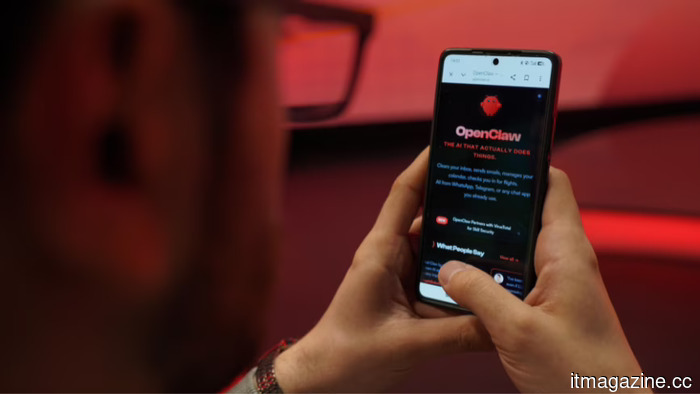 Peter Steinberger's 100 AI agents accumulated $1.3 million in OpenAI tokens within 30 days by developing OpenClaw.
The bill totaled 603 billion tokens from 7.6 million requests across 100 Codex instances utilizing GPT-5.5. Turning off Fast Mode would reduce the expense to $300,000, underscoring the actual financial aspects of developing autonomous AI.
Peter Steinberger's 100 AI agents accumulated $1.3 million in OpenAI tokens within 30 days by developing OpenClaw.
The bill totaled 603 billion tokens from 7.6 million requests across 100 Codex instances utilizing GPT-5.5. Turning off Fast Mode would reduce the expense to $300,000, underscoring the actual financial aspects of developing autonomous AI.
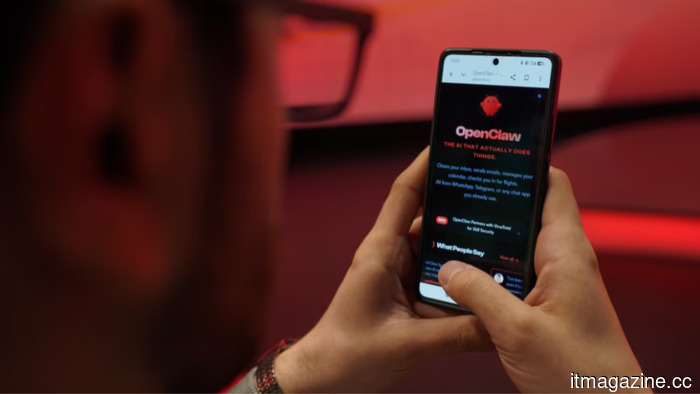 Peter Steinberger's 100 AI agents accumulated $1.3 million in OpenAI tokens within 30 days by developing OpenClaw.
The total amounted to 603 billion tokens through 7.6 million requests from 100 Codex instances utilizing GPT-5.5. If Fast Mode were turned off, the expense would decrease to $300,000, but this number highlights the actual financial implications of developing autonomous AI.
Peter Steinberger's 100 AI agents accumulated $1.3 million in OpenAI tokens within 30 days by developing OpenClaw.
The total amounted to 603 billion tokens through 7.6 million requests from 100 Codex instances utilizing GPT-5.5. If Fast Mode were turned off, the expense would decrease to $300,000, but this number highlights the actual financial implications of developing autonomous AI.
 Meta eliminates 8,000 positions while reporting a historic $56 billion in quarterly revenue, as Zuckerberg invests $145 billion in AI infrastructure.
Employee morale has plummeted as Meta announces record profits while cutting 10 percent of its staff. Further layoffs are anticipated in August and fall 2026 as the company shifts payroll into investments in AI technology.
Meta eliminates 8,000 positions while reporting a historic $56 billion in quarterly revenue, as Zuckerberg invests $145 billion in AI infrastructure.
Employee morale has plummeted as Meta announces record profits while cutting 10 percent of its staff. Further layoffs are anticipated in August and fall 2026 as the company shifts payroll into investments in AI technology.
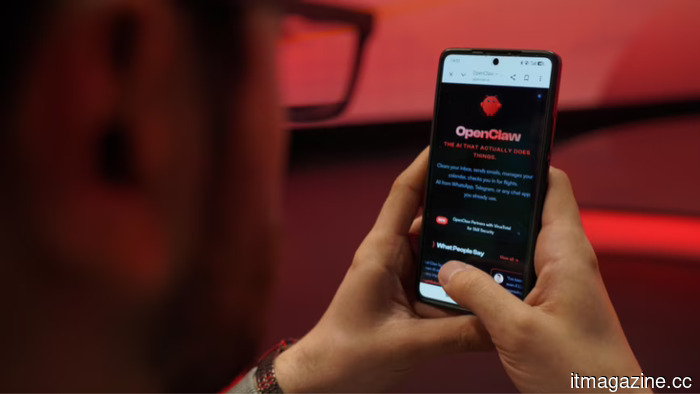 Peter Steinberger's 100 AI agents amassed $1.3 million in OpenAI tokens over the course of 30 days while creating OpenClaw.
The bill amounted to 603 billion tokens from 7.6 million requests generated by 100 Codex instances operating on GPT-5.5. Turning off Fast Mode would reduce the cost to $300,000, but this figure highlights the actual economics involved in autonomous AI development.
Peter Steinberger's 100 AI agents amassed $1.3 million in OpenAI tokens over the course of 30 days while creating OpenClaw.
The bill amounted to 603 billion tokens from 7.6 million requests generated by 100 Codex instances operating on GPT-5.5. Turning off Fast Mode would reduce the cost to $300,000, but this figure highlights the actual economics involved in autonomous AI development.
Starlink price hike: SpaceX has increased residential and Roam plan prices by $5 to $10 and has raised the Standby Mode fee to $10.
All consumer Starlink tiers, with the exception of the new Roam 300GB plan, are impacted. These price hikes come as SpaceX applies for the largest IPO in history and Amazon Leo readies for its commercial launch.