
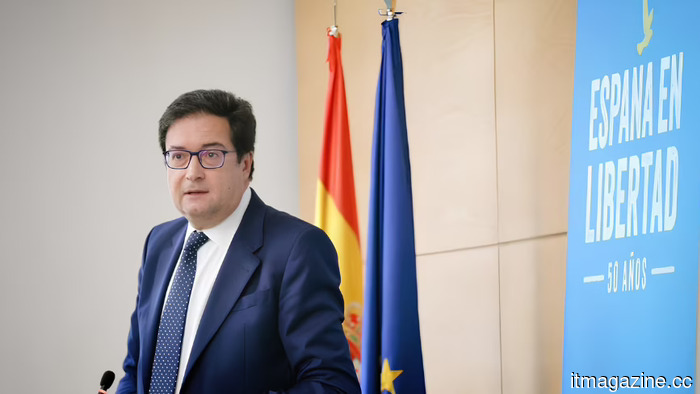
Spain remains firm on its regulations regarding social media and AI as lobbying efforts from US tech companies intensify.
Digital transformation minister Óscar López stated that "the profits of four tech companies must not come at the expense of the rights of millions," as Madrid's regulatory proposal progresses through parliament. On Wednesday, López affirmed that Spain would continue pushing forward with a series of regulations aimed at social media platforms and high-risk artificial intelligence systems, despite increasing lobbying efforts from American tech firms.
López noted the influence of "powerful voices" opposing measures designed to regulate high-risk AI and to require platforms to reveal the workings of their recommendation algorithms. This initiative has been building for several months. In February, Prime Minister Pedro Sánchez announced during the World Government Summit in Dubai plans to prohibit social media access for users under 16, an amendment currently being processed through parliament as part of a digital child protection bill.
Sánchez also committed to criminalizing the manipulation of algorithms that amplify illegal content and to make executives accountable for failing to remove such content. Additionally, Spain has approved draft legislation aimed at regulating AI-generated deepfakes, establishing 16 as the minimum age for image consent, and banning unauthorized AI-generated likenesses in advertising.
In February, prosecutors initiated an investigation into major platforms regarding the distribution of AI-generated child sexual abuse material on their services, as reported by Al Jazeera. The regulatory initiative aligns with a broader European movement; EU lawmakers reached a political agreement in March for amendments to the bloc’s AI Act, including a ban on non-consensual intimate deepfakes and postponing the deadline for high-risk systems to December 2027.
Madrid has positioned itself as one of the more progressive capitals in the EU regarding enforcement, partly due to the establishment of the El Escorial data center as a sovereign cloud and AI platform, which Lopez announced earlier this year. Industry resistance has been significant, although López did not specify which companies he was referencing. However, U.S. filings reveal that eleven American tech firms collectively spent around $20 million on federal lobbying in the first quarter of 2026, averaging $226,000 daily, according to industry reports.
López suggested that similar pressures have reached Madrid, although they have not yet succeeded in delaying the legislative timeline. Not all of Spain's proposals have been well received. The plan concerning users under 16 provoked personal criticism from Elon Musk, who labeled Sánchez a “fascist totalitarian” on X in February. Moreover, child rights organizations have voiced concerns that certain elements of the package may be more symbolic than practical.
Verification systems capable of meeting López's requirement for "real barriers, not just checkboxes" remain a subject of technical and legal debate across Europe. However, there is consensus on the overall direction; Australia, France, Denmark, and now Spain have legislated or announced age-restricted access to social media platforms within approximately a year of each other. Sánchez has been advocating for a broader EU-wide implementation through what he describes as a “coalition of the digitally willing.”
Should the Spanish proposal pass through parliament without alterations, it will serve as one of the more extreme national tests of whether such regulations can withstand both lobbying and legal scrutiny. The under-16 amendment is set to face its next parliamentary vote in the upcoming weeks.
Other articles
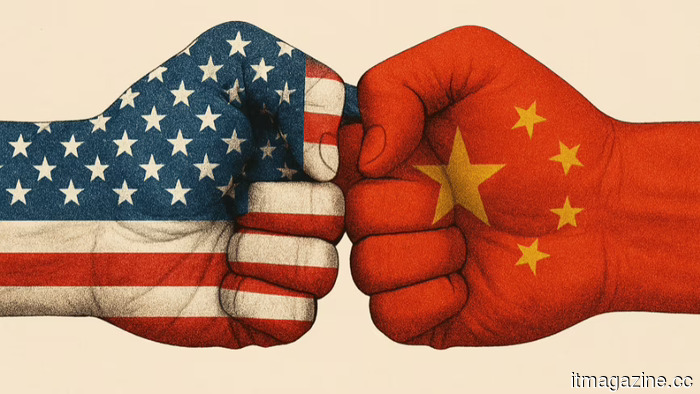 China intensifies its condemnation of the US chip-equipment legislation as Trump arrives in Beijing.
Beijing intensified its criticism of the US MATCH Act, which aims to tighten export controls on chip equipment and impose a 150-day deadline on Japan and the Netherlands.
Mythos heads to Tokyo: Japanese banks to acquire Anthropic’s vulnerability-detecting AI.
According to a source who spoke to Reuters, MUFG, Mizuho, and SMFG will be the inaugural Japanese institutions permitted to access Anthropic's exclusive Mythos AI model.
China intensifies its condemnation of the US chip-equipment legislation as Trump arrives in Beijing.
Beijing intensified its criticism of the US MATCH Act, which aims to tighten export controls on chip equipment and impose a 150-day deadline on Japan and the Netherlands.
Mythos heads to Tokyo: Japanese banks to acquire Anthropic’s vulnerability-detecting AI.
According to a source who spoke to Reuters, MUFG, Mizuho, and SMFG will be the inaugural Japanese institutions permitted to access Anthropic's exclusive Mythos AI model.
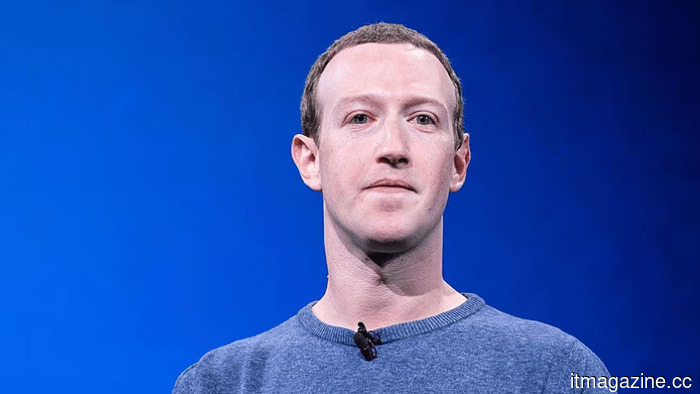 Meta workers demonstrate against new mouse-tracking software just days ahead of widespread layoffs.
Meta employees handed out flyers at U.S. offices in protest against the company's new mouse-tracking software, just days before the layoffs of approximately 8,000 employees scheduled for May 20.
Meta workers demonstrate against new mouse-tracking software just days ahead of widespread layoffs.
Meta employees handed out flyers at U.S. offices in protest against the company's new mouse-tracking software, just days before the layoffs of approximately 8,000 employees scheduled for May 20.
 Corti makes its clinical-AI platform available to startups as Europe's regulatory legislation increases.
Corti has introduced a Startup Acceleration Program that does not require equity, providing credits and regulatory assistance to healthcare AI entrepreneurs globally.
Mythos travels to Tokyo: Japanese banks to acquire Anthropic’s AI for identifying vulnerabilities.
According to a source who spoke to Reuters, MUFG, Mizuho, and SMFG will be the first Japanese banks to receive access to Anthropic's limited Mythos AI model.
Corti makes its clinical-AI platform available to startups as Europe's regulatory legislation increases.
Corti has introduced a Startup Acceleration Program that does not require equity, providing credits and regulatory assistance to healthcare AI entrepreneurs globally.
Mythos travels to Tokyo: Japanese banks to acquire Anthropic’s AI for identifying vulnerabilities.
According to a source who spoke to Reuters, MUFG, Mizuho, and SMFG will be the first Japanese banks to receive access to Anthropic's limited Mythos AI model.
 Anthropic is in discussions to secure $30 billion at a valuation of $900 billion.
Anthropic is engaged in initial discussions to secure a minimum of $30 billion, aiming for a pre-money valuation exceeding $900 billion, just weeks after comparable conversations emerged.
Anthropic is in discussions to secure $30 billion at a valuation of $900 billion.
Anthropic is engaged in initial discussions to secure a minimum of $30 billion, aiming for a pre-money valuation exceeding $900 billion, just weeks after comparable conversations emerged.
Spain remains firm on its regulations regarding social media and AI as lobbying efforts from US tech companies intensify.
Spain will move forward with new regulations for social media and AI despite strong lobbying efforts from American tech firms, stated digital transformation minister Óscar López.