

Dua Lipa files a $15 million lawsuit against Samsung regarding a photo on the packaging of Crystal UHD TVs.
The lawsuit claims that a backstage photo from the 2024 Austin City Limits Festival was used on packaging for Crystal UHD televisions without permission in retail and online worldwide, and that Samsung disregarded her cease-and-desist letters. Dua Lipa filed a federal lawsuit against Samsung Electronics on Friday for $15 million, asserting that the company has been using a 2024 image of her on the packaging since 2025, without authorization or any agreement to compensate her for its use.
The complaint states that the photo was captured backstage at the 2024 Austin City Limits Festival, featuring the singer in a close-up view recognizable to her millions of fans, making her one of the most photographed pop stars of the decade. Samsung began distributing the photograph on cardboard packaging for its Crystal UHD televisions in 2025 and continues to do so. The lawsuit was lodged in the Central District of California.
Lipa’s legal team is pursuing damages on three legal grounds: copyright infringement, since Samsung did not obtain a license for the image; trademark infringement, based on her name and likeness being treated as marks under California law; and violation of her right of publicity, which protects an individual's commercial rights over their image. The right-of-publicity claim is central to the case.
Under California law, specifically Civil Code Section 3344, minimum statutory damages amount to $750 for each unauthorized use, in addition to actual and punitive damages that may be considered. When this is calculated across the production run of a global television line, it accounts for the $15 million claim.
The complaint characterizes Samsung's conduct in unambiguous terms. Lipa became aware of the image on the packaging in June 2025, and her team sent cease-and-desist notices, which Samsung allegedly ignored. The infringing boxes “remain on the market to this day,” according to the filing, which describes Samsung's response as “dismissive and callous.” A related social media comment highlighted the commercial implications of the alleged infringement: “I wasn’t even planning on buying a TV, but I saw the box, so I decided to get it.”
The aspects of the case are relatively straightforward. Samsung must prove either that it had a license to utilize the image, that its use qualifies under fair-use or news-reporting exceptions (a difficult argument for product packaging), or that the alleged usage does not specifically identify Lipa enough to invoke publicity rights protections. Based on the details in the complaint, none of those defenses appear readily available. The image is clearly a recognizable backstage portrait of an identified individual, and its use is evidently commercial, appearing in retail and online globally.
Samsung has not yet made a public statement. The company has a history with high-stakes intellectual property litigation, having engaged in a decade-long legal battle with Apple over smartphone design, which resulted in one of the largest jury verdicts in tech history. Additionally, its advertising team has faced challenges, such as navigating disclaimers in its Galaxy Z Flip Oscars advertisement. However, the current case is more straightforward, involving whether the company used a famous individual's photograph on a product without consent.
This case takes place at a time when the broader debate over who controls a recognizable face is increasingly contentious. The decline in celebrity image protection in the AI era has altered the conversation, as synthetic likenesses and voices are now frequently used commercially. Lipa's complaint serves as a reminder that the traditional issue of using a real photograph without consent still exists alongside the emerging issue of synthetic likenesses.
For Samsung, the immediate concern is reputational as much as financial. Although $15 million is minor for a company that reported more than $33 billion in operating profits last year, the settlement value of such cases often aligns more closely with what Lipa would have charged for the initial license and includes additional compensation for the prior usage and litigation costs; thus, the figure cited in the complaint represents the upper limit of negotiations, not the expected outcome.
The greater challenge for Samsung lies in addressing the perception of negligence. A company with the scale of distributing Crystal UHD TVs to over seventy countries and hosting CES product launches before the press cannot simply justify how a major pop musician's photo appeared on its packaging without proper licensing. The plaintiff's portrayal of Samsung as dismissive will resonate with consumers who have experienced similar disregard from large corporations.
Moreover, it's noteworthy that Lipa, having the resources necessary for litigation, has opted to pursue this case. Many individuals whose likenesses are used without consent on smaller products lack her access to legal representation or the capability to see a federal case through to resolution. Should the lawsuit result in a settlement or a favorable verdict, it could set a significant precedent for how consumer electronics companies should obtain permission for using prominent images on their packaging.
Samsung's marketing strategy, exemplified by aggressive cultural marketing, is contrasted by the costs of shortcuts, as illustrated in the Lipa case. Moving forward, the procedure will unfold, with Samsung given the chance to respond to the complaint, likely through a
Otros artículos
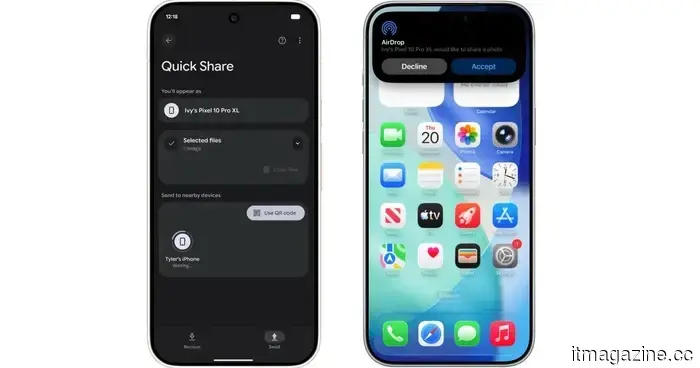 Solía temer mover archivos entre dispositivos; ahora apenas lo pienso.
Durante años, mover un archivo entre mi iPhone, teléfono Android y MacBook se sentía como negociar un tratado de paz entre naciones rivales. De alguna manera, sin mucho alboroto, la guerra ha terminado — y mi flujo de trabajo nunca ha estado más tranquilo.
Solía temer mover archivos entre dispositivos; ahora apenas lo pienso.
Durante años, mover un archivo entre mi iPhone, teléfono Android y MacBook se sentía como negociar un tratado de paz entre naciones rivales. De alguna manera, sin mucho alboroto, la guerra ha terminado — y mi flujo de trabajo nunca ha estado más tranquilo.
 TNW, Oneflow y Flexas están organizando una noche de networking gratuita en Ámsterdam.
TNW y Oneflow están organizando una noche de networking gratuita en Ámsterdam el 3 de junio de 2026, con comida, bebidas y un panel de oradores en Flexas.com
TNW, Oneflow y Flexas están organizando una noche de networking gratuita en Ámsterdam.
TNW y Oneflow están organizando una noche de networking gratuita en Ámsterdam el 3 de junio de 2026, con comida, bebidas y un panel de oradores en Flexas.com
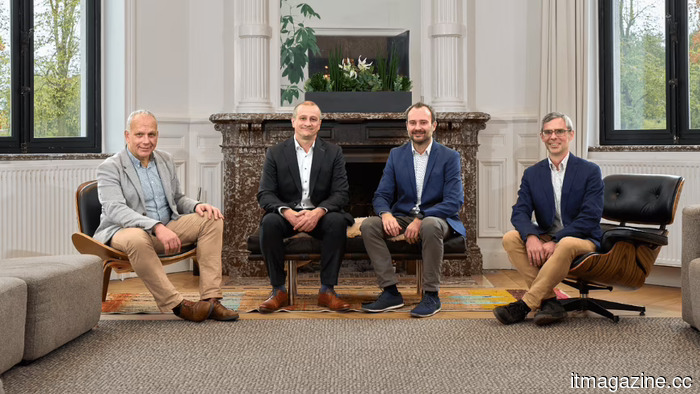 Eyeo neerlandés recauda 40 millones de euros para comercializar sensores de imagen de separación de color NCOS.
eyeo ha cerrado una ronda de financiación Serie A de 40 millones de euros liderada por Innovation Industries para llevar su tecnología de sensores de separación de color nanofotónicos desarrollada por imec.
Eyeo neerlandés recauda 40 millones de euros para comercializar sensores de imagen de separación de color NCOS.
eyeo ha cerrado una ronda de financiación Serie A de 40 millones de euros liderada por Innovation Industries para llevar su tecnología de sensores de separación de color nanofotónicos desarrollada por imec.
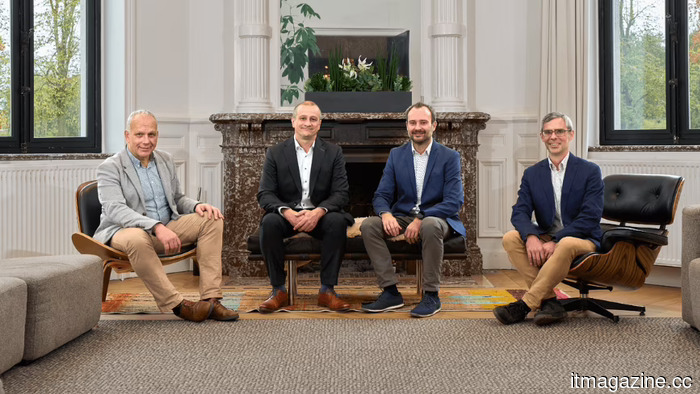 Eyeo neerlandés recauda 40 millones de euros para comercializar sensores de imagen de separación de color NCOS
eyeo ha cerrado una ronda de financiación Serie A de 40 millones de euros liderada por Innovation Industries para llevar su tecnología de sensores de separación de color nanofotónicos desarrollada por imec.
Eyeo neerlandés recauda 40 millones de euros para comercializar sensores de imagen de separación de color NCOS
eyeo ha cerrado una ronda de financiación Serie A de 40 millones de euros liderada por Innovation Industries para llevar su tecnología de sensores de separación de color nanofotónicos desarrollada por imec.
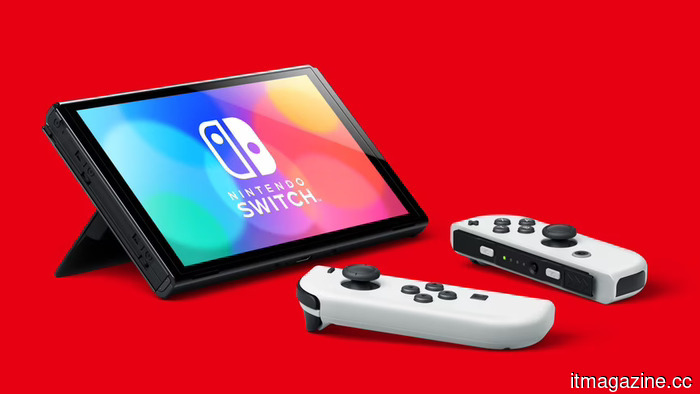 Las acciones de Nintendo caen un 7% debido al aumento de precio del Switch 2.
La guía de Nintendo para el año fiscal 27 proyecta que las ventas de hardware del Switch 2 disminuirán un 17% y un impacto de costos de ¥100 mil millones debido a memoria, aranceles y envío.
Las acciones de Nintendo caen un 7% debido al aumento de precio del Switch 2.
La guía de Nintendo para el año fiscal 27 proyecta que las ventas de hardware del Switch 2 disminuirán un 17% y un impacto de costos de ¥100 mil millones debido a memoria, aranceles y envío.
 Eyeo holandés recauda 40 millones de euros para comercializar sensores de imagen de separación de color NCOS
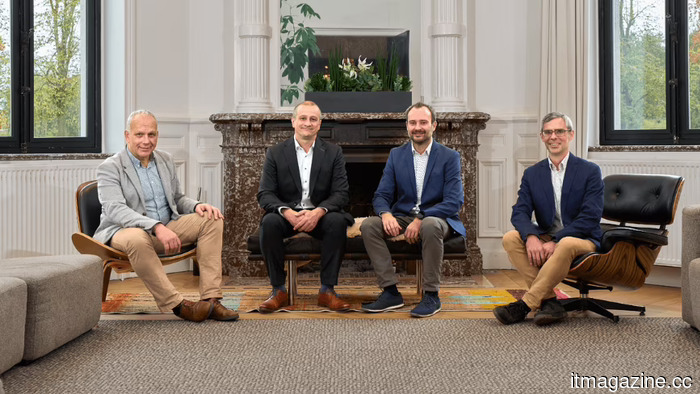
eyeo ha cerrado una ronda de financiación Serie A de 40 millones de euros liderada por Innovation Industries para llevar su tecnología de sensor de separación de color nanofotónico desarrollada por imec.
Eyeo holandés recauda 40 millones de euros para comercializar sensores de imagen de separación de color NCOS
eyeo ha cerrado una ronda de financiación Serie A de 40 millones de euros liderada por Innovation Industries para llevar su tecnología de sensor de separación de color nanofotónico desarrollada por imec.
Dua Lipa files a $15 million lawsuit against Samsung regarding a photo on the packaging of Crystal UHD TVs.
Dua Lipa has initiated a federal lawsuit for $15 million against Samsung Electronics, claiming that her backstage photo from 2024 has been utilized on the packaging for Crystal UHD TVs since 2025.