
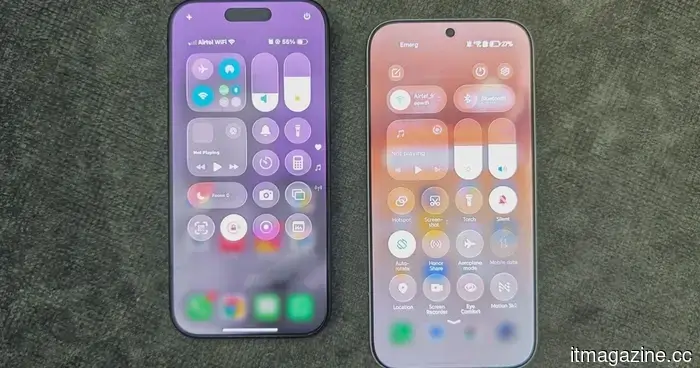
The head of Android has rejected the idea of a Liquid Glass imitation on Pixels, which is reassuring.
While numerous Android OEMs have imitated the aesthetic of iOS 16, Google asserts that Pixel devices will maintain their unique style.
Google's president of the Android Ecosystem has dismissed the notion that Android will embrace Apple's Liquid Glass design language, at least for Pixel devices. In reaction to a mockup of Liquid Glass on a Pixel 11 shared on X, Sameer Samat stated, “Not happening. Y’all are wild.” This statement is reassuring for Android enthusiasts who have witnessed many manufacturers mimic Apple's design over the last year.
Several Android OEMs have already adopted this trend.
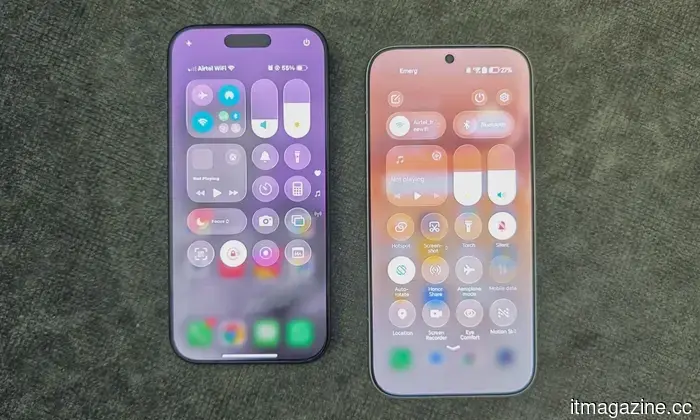
Since Apple revealed Liquid Glass at WWDC in June of the previous year, various Android manufacturers have mirrored the aesthetic in their user interfaces. Companies like OnePlus, Vivo, Oppo, Honor, and Xiaomi have all released UI updates that echo the translucent, frosted-glass style introduced by Apple. The widespread imitation has sparked concerns over Android’s distinctive visual identity.
Google is resisting this trend for its Pixel line.
Material 3 Expressive is already impressive.
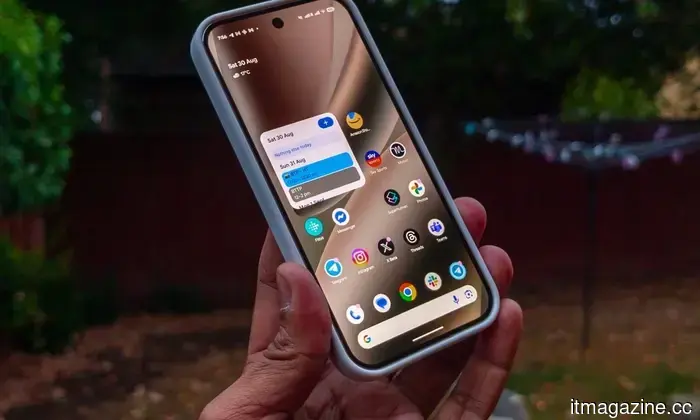
Google introduced its own refreshed design language, Material 3 Expressive, at I/O 2025, which features bolder colors, more dynamic animations, and smooth shape transitions throughout the system UI, notifications, and essential apps. This gives Pixel devices a unique character.
Samat's remark indicates that Google intends to adhere to this design approach. For Pixel users, this comment serves as a reassurance that Android's design language will remain uniquely its own.
While Liquid Glass may become more prevalent in third-party Android skins, Google’s devices will utilize a design system that is distinctly defined by its own standards. It remains to be seen if other Android manufacturers will follow Google's example.
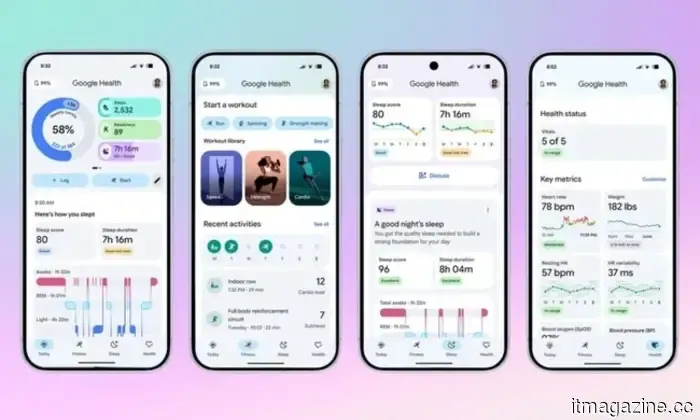
Google is officially discontinuing the Fitbit app, replacing it with the new Google Health app on May 19, 2026. This change is quite ironic, as the company recently announced a new Fitbit Air screenless fitness tracker, but the transition will occur via an OTA update.
This change comes after Fitbit's fifteen-year legacy, during which it attracted millions of fitness-focused users and offered various health trackers and valuable insights through its software.
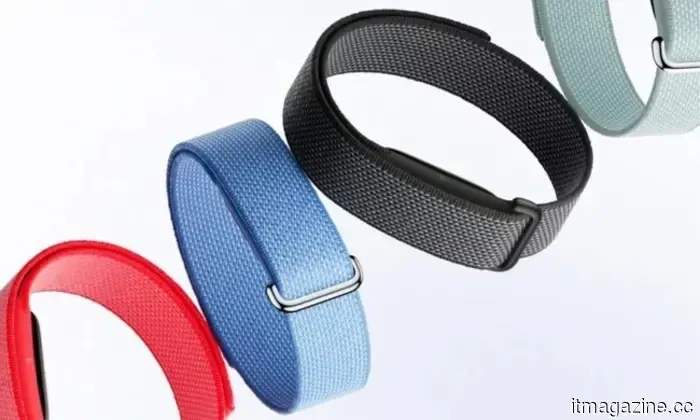
Google has made significant strides in the fitness tracker market by unveiling the Fitbit Air, a screenless health band priced at $99.99. Unlike Whoop, which charges for accessing fitness data, the core health-tracking features of Fitbit Air will remain free.
Currently available for pre-orders, the device will start shipping across 21 countries on May 26, 2026. The tracker will be available in four Pixel-inspired colors—Obsidian, Lavender, Fog, and Berry—and in three different strap options: Performance Loop, Active Band, and Elevated Modern Band.
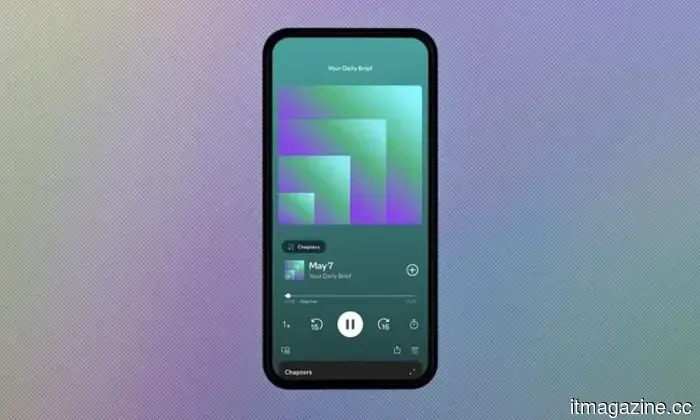
Spotify now offers AI agents like OpenClaw and Claude Code the ability to create personal podcasts for users.
Spotify has been gradually integrating itself into the AI assistants that people use frequently. The music app already functions within Claude and ChatGPT, allowing users to manage and enhance their listening experience through simple dialogue. Now, Spotify is taking an additional step by launching 'Save to Spotify,' a new beta feature that transforms your AI agent into a personal podcast creator.

Other articles
 The application created by your coworker using AI could potentially be exposing company confidential information.
A recent investigation discovered thousands of web applications created by AI that have inadequate or absent access controls, leaving medical records, corporate documents, chatbot logs, and financial information exposed.
The application created by your coworker using AI could potentially be exposing company confidential information.
A recent investigation discovered thousands of web applications created by AI that have inadequate or absent access controls, leaving medical records, corporate documents, chatbot logs, and financial information exposed.
 A representative from the Bezos family office steps down from the Slate Auto board just months before the electric vehicle startup, valued at $1.4 billion, starts production in Indiana.
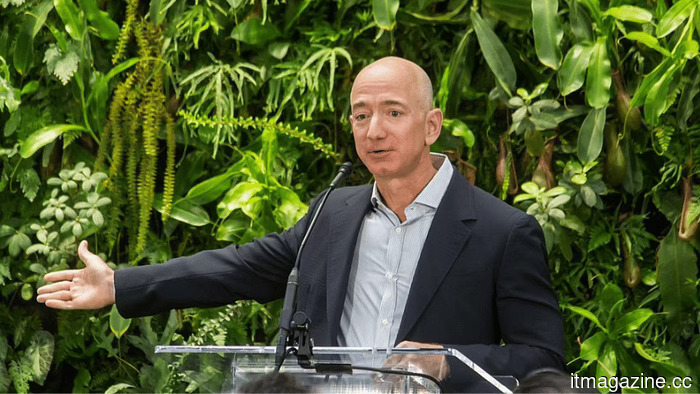
Melinda Lewison, the head of Jeff Bezos's family office, has departed from the board of Slate Auto. The electric vehicle startup has secured $1.4 billion in funding and aims to start truck production in late 2026.
A representative from the Bezos family office steps down from the Slate Auto board just months before the electric vehicle startup, valued at $1.4 billion, starts production in Indiana.
Melinda Lewison, the head of Jeff Bezos's family office, has departed from the board of Slate Auto. The electric vehicle startup has secured $1.4 billion in funding and aims to start truck production in late 2026.
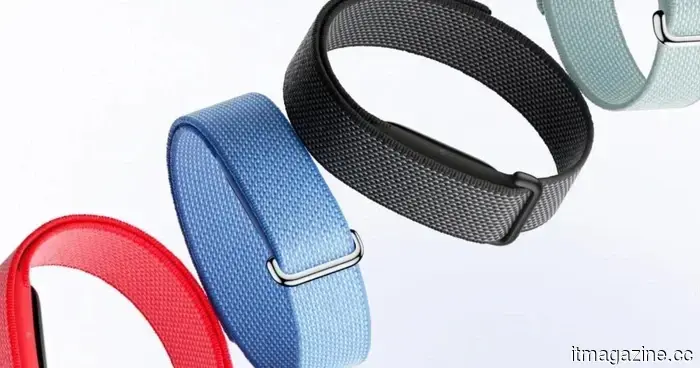 Google's Fitbit Air is a $99 competitor to Whoop that lacks a screen, and its main features do not require a subscription.
The Fitbit Air has a weight of 5 grams without the strap, monitors heart rate, blood oxygen levels, skin temperature, and step count continuously, has a battery life of seven days on a single charge, and is priced at $99.99.
Google's Fitbit Air is a $99 competitor to Whoop that lacks a screen, and its main features do not require a subscription.
The Fitbit Air has a weight of 5 grams without the strap, monitors heart rate, blood oxygen levels, skin temperature, and step count continuously, has a battery life of seven days on a single charge, and is priced at $99.99.
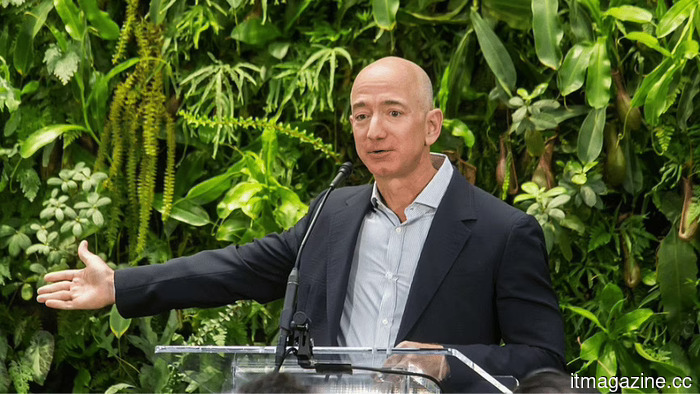 A representative from the Bezos family office has departed from the Slate Auto board just months prior to the $1.4 billion electric vehicle startup commencing production in Indiana.
Melinda Lewison, the head of Jeff Bezos's family office, has departed from Slate Auto's board. The electric vehicle startup has secured $1.4 billion in funding and intends to commence truck production in late 2026.
A representative from the Bezos family office has departed from the Slate Auto board just months prior to the $1.4 billion electric vehicle startup commencing production in Indiana.
Melinda Lewison, the head of Jeff Bezos's family office, has departed from Slate Auto's board. The electric vehicle startup has secured $1.4 billion in funding and intends to commence truck production in late 2026.
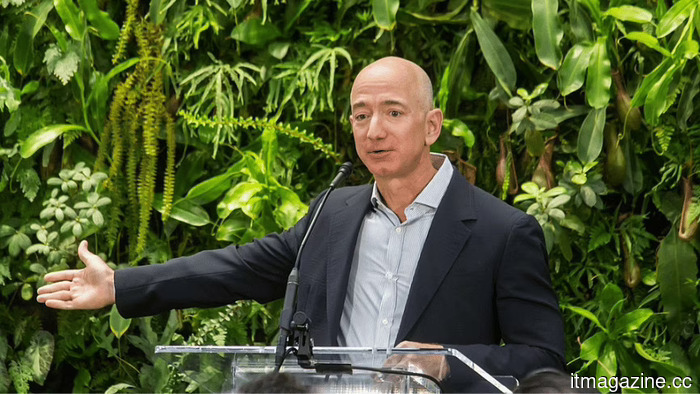 A representative from the Bezos family office has stepped down from the board of Slate Auto just months before the $1.4 billion electric vehicle startup is set to commence production in Indiana.
Melinda Lewison, the head of Jeff Bezos's family office, has departed from the board of Slate Auto. The electric vehicle startup has secured $1.4 billion in funding and aims to commence truck production by late 2026.
A representative from the Bezos family office has stepped down from the board of Slate Auto just months before the $1.4 billion electric vehicle startup is set to commence production in Indiana.
Melinda Lewison, the head of Jeff Bezos's family office, has departed from the board of Slate Auto. The electric vehicle startup has secured $1.4 billion in funding and aims to commence truck production by late 2026.
The head of Android has rejected the idea of a Liquid Glass imitation on Pixels, which is reassuring.
The top executive of Android has dismissed the possibility of Liquid Glass being used on Pixel devices, directly addressing the speculation. This decision highlights a clear distinction between Google's Material 3 Expressive design language and the trend of iOS-inspired UI updates that are proliferating among third-party Android skins.