
Google's Fitbit Air is a $99 competitor to Whoop that lacks a screen, and its essential functions do not require a subscription.
Google has taken significant steps into the fitness tracker market with its latest announcement. The company has officially launched the Fitbit Air, a health band without a screen, priced at $99.99. In contrast to Whoop, which requires a subscription to access fitness data, the essential health-tracking features of the Fitbit Air will be available at no cost.
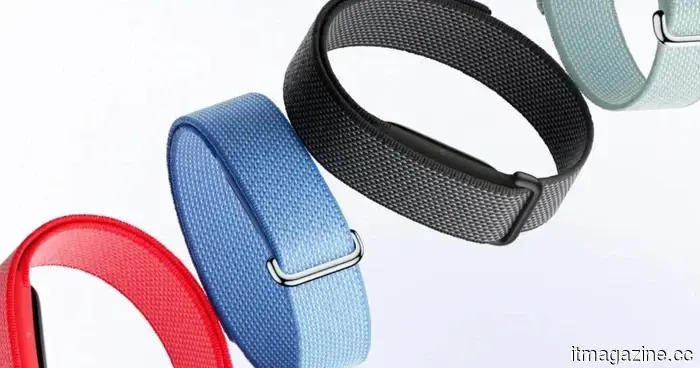
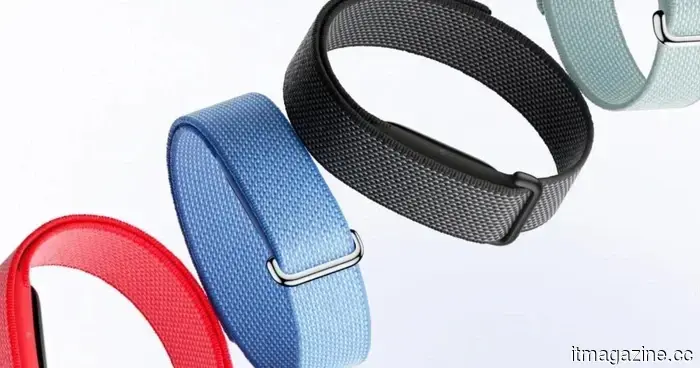
Pre-orders for the device are currently open, with shipments starting on May 26, 2026, across 21 countries. The tracker comes in four colors reminiscent of the Pixel line—Obsidian, Lavender, Fog, and Berry—and offers a choice of three strap designs: Performance Loop, Active Band, and Elevated Modern Band.
What features does the Fitbit Air track?
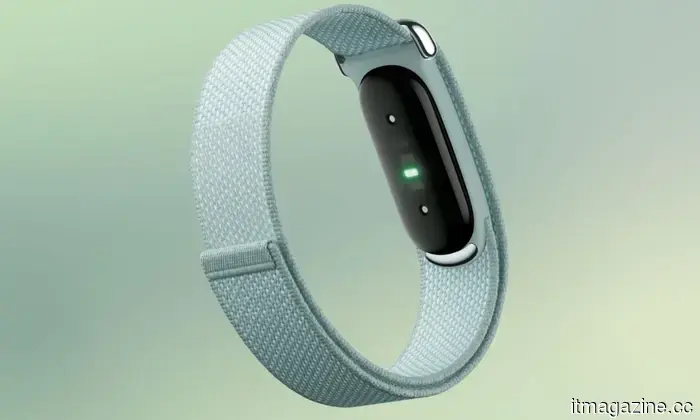
Weighing only 12 grams with the strap (5 grams without), the Fitbit Air includes an impressive array of sensors for those serious about monitoring their health and fitness.
It provides 24/7 heart rate monitoring with AFib irregular rhythm alerts, heart rate variability (HRV), blood oxygen levels (SpO2), skin temperature, along with the typical steps and calories tracker. Additionally, it records sleep stages and duration and supports automatic detection of activities.
The absence of a built-in display is deliberate, allowing users’ wrists to remain distraction-free during physical activities while the device silently gathers data in the background, syncing with your phone via Bluetooth.
The Fitbit Air is water-resistant up to 50 meters, making it suitable for swimming sessions. A full charge lasts up to seven days, requiring approximately 90 minutes to charge from 0% to 100% using the magnetic charger.
A limited edition Fitbit Air Stephen Curry version is available for $129.99.
How does the Fitbit Air stack up against Whoop?
Unlike Whoop, the core tracking capabilities of the Fitbit Air do not require a subscription from the outset.
To access advanced features, such as the Google Health Coach, an AI assistant powered by Gemini that analyzes fitness data, along with long-term data and personalized insights, users must subscribe to Google Health Premium at $9.99 per month.
Fortunately, the Fitbit Air includes a complimentary three-month trial of the Health Premium subscription as part of its purchase price. Google has also confirmed that the device works with both Android and iOS platforms. This launch marks the first time users can link both a Pixel Watch 4 and a Fitbit Air to the same Google Health account.
The Fitbit Air represents Google’s deliberate strategy to attract Whoop’s considerable user base. By offering essential health features for free and undercutting Whoop’s annual subscription cost with its Health Premium plan, Google aims to encourage health-focused consumers to choose the Fitbit Air.

Other articles
 The production budget for GTA 6 seems so incredibly high that it's difficult to believe.
Analysts predict that the budget for GTA 6 might range from $1 billion to $1.5 billion, positioning it among the most costly projects in gaming history.
The production budget for GTA 6 seems so incredibly high that it's difficult to believe.
Analysts predict that the budget for GTA 6 might range from $1 billion to $1.5 billion, positioning it among the most costly projects in gaming history.
 The application created by your coworker using AI could potentially be exposing company confidential information.
A recent investigation discovered thousands of web applications created by AI that have inadequate or absent access controls, leaving medical records, corporate documents, chatbot logs, and financial information exposed.
The application created by your coworker using AI could potentially be exposing company confidential information.
A recent investigation discovered thousands of web applications created by AI that have inadequate or absent access controls, leaving medical records, corporate documents, chatbot logs, and financial information exposed.
 The production budget for GTA 6 is so immense that it may be difficult to accept as reality.
Analysts predict that the cost of GTA 6 could range from $1 billion to $1.5 billion, positioning it as one of the most expensive projects in gaming history.
The production budget for GTA 6 is so immense that it may be difficult to accept as reality.
Analysts predict that the cost of GTA 6 could range from $1 billion to $1.5 billion, positioning it as one of the most expensive projects in gaming history.
 Fitbit is transitioning into Google Health and is receiving numerous enhancements for wellness.
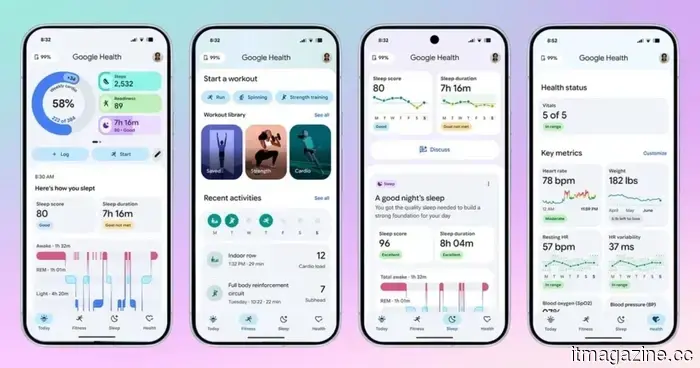
Google Health is introducing photo-based food logging, integration with medical records, compatibility with Apple Health and Peloton, enhanced accuracy in sleep tracking, and a coach powered by Gemini.
Fitbit is transitioning into Google Health and is receiving numerous enhancements for wellness.
Google Health is introducing photo-based food logging, integration with medical records, compatibility with Apple Health and Peloton, enhanced accuracy in sleep tracking, and a coach powered by Gemini.
 Google's Fitbit Air is a $99 competitor to Whoop that lacks a screen, and its main features do not require a subscription.
The Fitbit Air has a weight of 5 grams without the strap, monitors heart rate, blood oxygen levels, skin temperature, and step count continuously, has a battery life of seven days on a single charge, and is priced at $99.99.
Google's Fitbit Air is a $99 competitor to Whoop that lacks a screen, and its main features do not require a subscription.
The Fitbit Air has a weight of 5 grams without the strap, monitors heart rate, blood oxygen levels, skin temperature, and step count continuously, has a battery life of seven days on a single charge, and is priced at $99.99.
Google's Fitbit Air is a $99 competitor to Whoop that lacks a screen, and its essential functions do not require a subscription.
The Fitbit Air has a weight of 5 grams excluding its strap, monitors heart rate, blood oxygen levels, skin temperature, and daily steps continuously, offers a battery life of seven days per charge, and is priced at $99.99.