
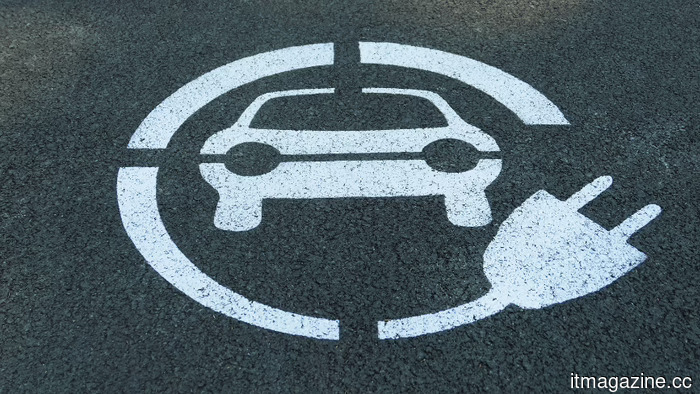
Twelve electric vehicle models have been phased out in the US due to tariffs, the loss of tax credits, and increased import costs altering the market.
At least twelve electric vehicle models have been discontinued, postponed, or cancelled in the United States in 2026, including notable models such as Tesla’s Model S and Model X, Honda’s entire 0 Series, the Volvo EX30, BMW’s i4 and iX, as well as various EVs from Hyundai and Kia. The issue is not due to technological failure but rather the cumulative impact of a 25% import tax, a 100% tariff on EVs made in China, and the end of the $7,500 federal tax credit, making imported EVs unprofitable and pushing automakers to either produce domestically or withdraw from the market.
This year, more than a dozen electric vehicle models have been discontinued, paused, or cancelled in the U.S. The list features familiar names in the sector, such as Tesla’s Model S and Model X, Honda’s entire 0 Series, the Volvo EX30, BMW's i4 and iX, as well as the Hyundai Kona Electric, Ioniq 6, Kia Niro EV, EV6 GT, and the Acura RSX. Some will be replaced with newer models, while others are facing termination due to tariffs or a strategic shift towards hybrid vehicles. Furthermore, the oldest models from Tesla are being retired to make way for humanoid robots. The underlying issue is not technological failure; all these vehicles function effectively. The problem lies in the unfavorable economics of selling electric cars in the U.S. in 2026, leading automakers to opt out of the market.
The biggest segment of discontinued EVs comprises models imported from abroad that can no longer be sold profitably under the current tariff regime. For example, the Hyundai Kona Electric, which was priced around $33,000 and one of the most affordable EVs in the U.S. market, has been paused for the 2026 model year because Hyundai cannot justify its import under a 25% tariff. The Hyundai Ioniq 6, also produced in South Korea, has been fully removed from the U.S. lineup, although the performance-oriented Ioniq 6 N version may still arrive later this year. The Kia Niro EV, which was imported from Kia’s South Korean plant, has been discontinued due to the combination of tariffs and waning EV demand making it unfeasible for U.S. dealerships. Kia has also postponed the GT variants of its EV6 and EV9 "until further notice" because of what the company described as "changing market conditions."
The Volvo EX30 exemplifies how tariff policies can eliminate a product. Facing 100% tariffs on Chinese-made EVs, Volvo shifted the production of the EX30 from China to its plant in Ghent, Belgium. Subsequently, the Trump administration imposed a 25% tariff on all imported vehicles. Originally intended as an affordable EV with a starting price below $35,000, the EX30 now costs $40,345 in the U.S. In 2025, Volvo sold 5,409 units and has confirmed that the model will not return to the U.S. market after the 2026 model year. While the EX30 remains available in Canada, Mexico, and elsewhere, it is no longer accessible in the U.S. due to the prohibitive tariffs.
In terms of strategic withdrawals, Honda's cancellation of its 0 Series represents the most costly retreat in the current cycle. The company scrapped the Honda 0 Saloon, the Honda 0 SUV, and the Acura RSX, all of which were slated for production at Honda's EV hub in Marysville, Ohio. This decision resulted in up to $15.7 billion in losses, marking the company's first annual loss since its listing on the Tokyo Stock Exchange in 1957. Honda is now shifting its focus to hybrids, which hit an all-time sales record in February with 30,671 units. The only remaining EV in the U.S. is the Prologue, produced in Mexico in collaboration with General Motors. Notably, Honda had presented a production-ready version of the Acura RSX just six months prior to its cancellation.
Tesla faces different challenges regarding sales, leading to similar results. The Model S and Model X, Tesla's oldest and priciest models, accounted for less than 3% of total deliveries in 2025. Elon Musk announced their retirement, referring to it as an "honourable discharge," revealing that the production lines in Fremont that manufactured them would be repurposed to produce Optimus humanoid robots, with an ambitious target of manufacturing one million units per year. The last Model S and Model X were produced in early April. With starting prices of $94,990 for the Model S and $99,990 for the Model X, they exist in a segment where demand is declining. Musk framed the choice as a shift towards autonomy, while the market interpreted it as Tesla prioritizing robots over sedans, given the potentially
Other articles
 Oura launches features for hormonal health, including tracking for birth control and menopause.
Oura unveils new features for hormonal health, which include tracking birth control and providing insights on menopause, with the goal of linking biometric information to actual physiological changes.
Oura launches features for hormonal health, including tracking for birth control and menopause.
Oura unveils new features for hormonal health, which include tracking birth control and providing insights on menopause, with the goal of linking biometric information to actual physiological changes.
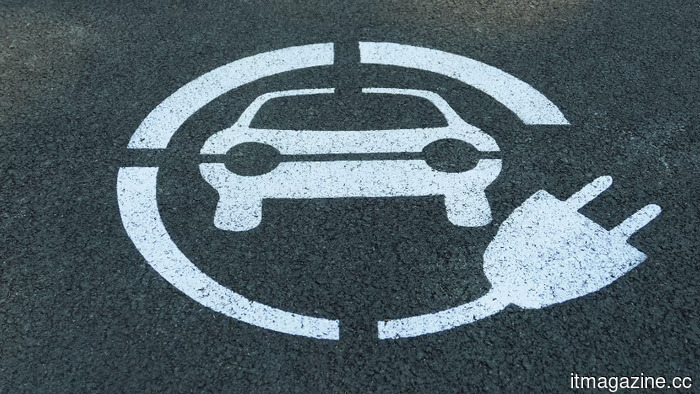 Twelve electric vehicle models have been discontinued in the US as tariffs, the loss of tax credits, and rising import costs alter the market landscape.
In 2026, Tesla, Honda, BMW, Volvo, Hyundai, and Kia have all withdrawn their electric vehicles from the US market. The reason behind this is not the technology but rather the trade policy.
Twelve electric vehicle models have been discontinued in the US as tariffs, the loss of tax credits, and rising import costs alter the market landscape.
In 2026, Tesla, Honda, BMW, Volvo, Hyundai, and Kia have all withdrawn their electric vehicles from the US market. The reason behind this is not the technology but rather the trade policy.
 Oura unveils new hormonal health features that include tracking for birth control and menopause.
Oura unveils new features for hormonal health, which encompass tracking birth control and providing insights on menopause, with the goal of linking biometric data to real-life physiological changes.
Oura unveils new hormonal health features that include tracking for birth control and menopause.
Oura unveils new features for hormonal health, which encompass tracking birth control and providing insights on menopause, with the goal of linking biometric data to real-life physiological changes.
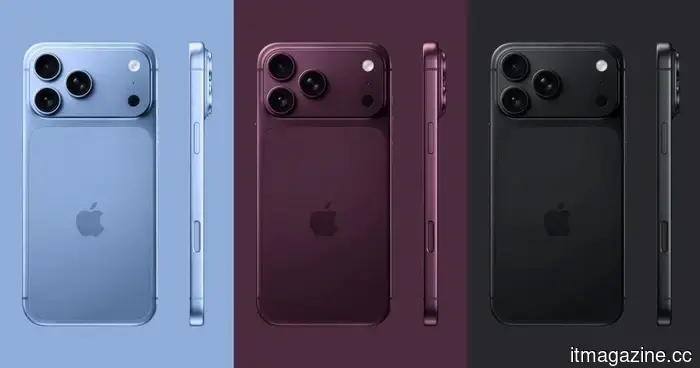 Similar to the MacBook Neo, Apple may deliver another pricing shock with the iPhone 18 Pro.
A leak regarding the pricing of the iPhone 18 Pro indicates that Apple might expand the distinction between the Pro and standard models, adopting a strategy akin to its MacBook Neo method.
Similar to the MacBook Neo, Apple may deliver another pricing shock with the iPhone 18 Pro.
A leak regarding the pricing of the iPhone 18 Pro indicates that Apple might expand the distinction between the Pro and standard models, adopting a strategy akin to its MacBook Neo method.
Twelve electric vehicle models have been phased out in the US due to tariffs, the loss of tax credits, and increased import costs altering the market.
Tesla, Honda, BMW, Volvo, Hyundai, and Kia have withdrawn their electric vehicles from the US market in 2026. The issue is not related to the technology; rather, it is the trade policy.