
The Trump administration halts the launch of Anthropic's Mythos.
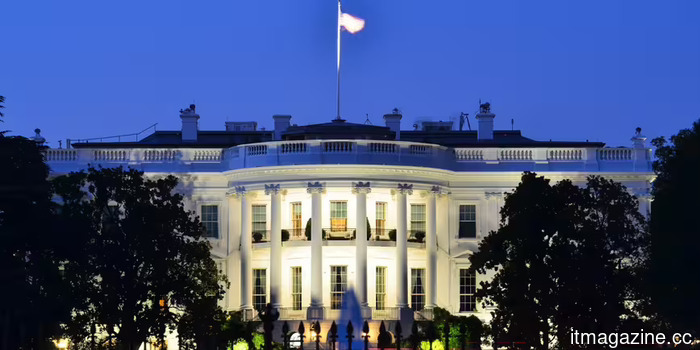
The Trump administration has informed Anthropic that it is against a controlled rollout that would enable its perilous cyberattack-capable AI to reach around 120 organizations in total, while concurrently considering an executive order to reinstate Anthropic's use by the federal government. According to anonymous sources cited by Bloomberg, the White House has expressed opposition to Anthropic's strategy to extend access to Mythos, its sophisticated cybersecurity AI model, to approximately 70 more companies. This development was initially reported by the Wall Street Journal, and Anthropic has chosen not to comment.
Mythos, which was unveiled in early April through Anthropic’s Project Glasswing initiative, is a model capable of autonomously identifying and exploiting vulnerabilities across various critical software. Anthropic regarded its potential for general release as too hazardous. Consequently, the company has permitted a select group of organizations to test the model on their systems. Its proposal to increase this initial group from around 50 to 120 organizations has met with direct opposition from the Trump administration for two reasons: concerns regarding security risks of misuse and worries over Anthropic’s insufficient computing power to support 120 entities without impairing the government’s ability to utilize the model effectively.
The issue of computing capacity is significant. Part of Anthropic's current fundraising goal of $900 billion is aimed at acquiring adequate infrastructure to operate Mythos at scale. The National Security Agency is among the government entities currently using Mythos, and the White House appears concerned that an expanded rollout could interfere with that access.
Complicating matters further is the security breach that occurred on the same day Anthropic announced its limited release plan, when a small group of unauthorized users accessed Mythos through a private online forum. The details of this breach remain unclear, but it highlighted the challenges in maintaining controlled access to a model with such capabilities, heightening government fears about further expanding the user base.
The capabilities of the model are not in question. During testing, Mythos Preview autonomously identified thousands of zero-day vulnerabilities across all major operating systems and web browsers, excelled in 73% of expert-level capture-the-flag cybersecurity challenges, and was the first model to successfully complete a 32-step simulated corporate network attack from start to finish. These documented capabilities have been cited by the US government as a security threat, while simultaneously being sought for exclusive use by the NSA.
The striking aspect of Wednesday’s objection is its contrast with a separate ongoing initiative; the White House is also working on an executive action to enable government agencies to bypass the Pentagon's designation of Anthropic as a national security supply chain risk and incorporate its models, including Mythos. This designation arose in early 2026 following a collapse in talks about the use of Claude for autonomous weapons and domestic mass surveillance, both of which Anthropic CEO Dario Amodei has publicly stated he would not authorize.
This week, the White House is convening companies from various sectors to inform this draft executive action, conducting ‘table reads’ for potential guidance, while simultaneously communicating to Anthropic its opposition to the Mythos expansion plan. Earlier this month, White House chief of staff Susie Wiles and Treasury Secretary Scott Bessent met with Anthropic CEO Dario Amodei, describing the meeting as productive.
The official stance from the White House, stating it is ‘balancing innovation and security while cooperating with the private sector’, does not clarify the evident contradiction between these two approaches. The dispute over Mythos is a prominent example of a novel regulatory situation: a company whose AI model is concurrently used by the NSA, facing opposition from the Pentagon, pursued by the White House for reintegration, yet being restricted from broadening access to civilian organizations it had initially vetted.
The outcomes of this week's discussions will not only influence Anthropic’s rollout strategies but also address the larger issue of how the US government plans to regulate AI models capable of offensive cybersecurity actions.
Other articles
 Nvidia B300 servers are priced at $1 million in China, almost twice the cost in the United States.
In China, Nvidia B300 servers are now priced at $1 million, almost twice the cost in the US, following the arrest related to Supermicro smuggling that shut down the grey market.
Nvidia B300 servers are priced at $1 million in China, almost twice the cost in the United States.
In China, Nvidia B300 servers are now priced at $1 million, almost twice the cost in the US, following the arrest related to Supermicro smuggling that shut down the grey market.
 The Trump administration halts the rollout of Anthropic's Mythos.
The White House has informed Anthropic that it is against the expansion of Mythos access to an additional 70 organizations, citing concerns regarding security and computing resources.
The Trump administration halts the rollout of Anthropic's Mythos.
The White House has informed Anthropic that it is against the expansion of Mythos access to an additional 70 organizations, citing concerns regarding security and computing resources.
 The Trump administration halts the rollout of Anthropic’s Mythos.
The White House has informed Anthropic that it is against the expansion of Mythos access to an additional 70 organizations, citing concerns regarding security and computing resources.
The Trump administration halts the rollout of Anthropic’s Mythos.
The White House has informed Anthropic that it is against the expansion of Mythos access to an additional 70 organizations, citing concerns regarding security and computing resources.
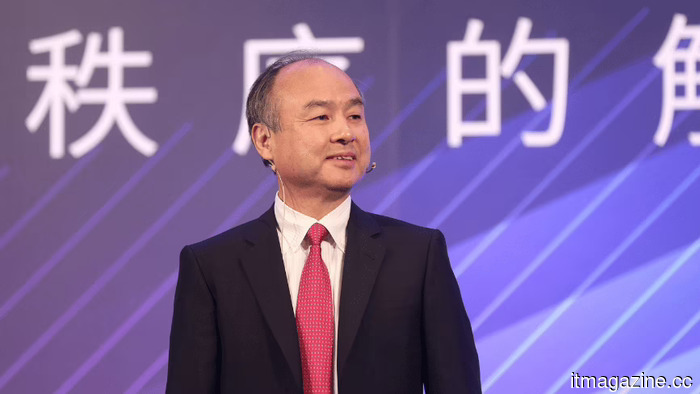 Eight banks are currently supporting SoftBank's unprecedented $40 billion loan to OpenAI.
HSBC, BNP Paribas, and Intesa Sanpaolo are part of a group of eight banks participating in SoftBank's $40 billion bridge loan for OpenAI.
Eight banks are currently supporting SoftBank's unprecedented $40 billion loan to OpenAI.
HSBC, BNP Paribas, and Intesa Sanpaolo are part of a group of eight banks participating in SoftBank's $40 billion bridge loan for OpenAI.
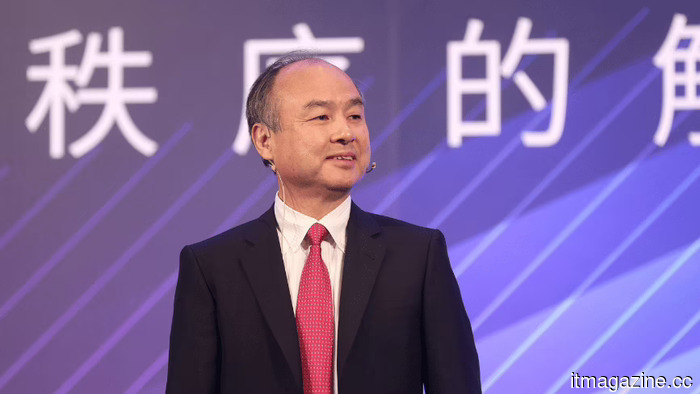 Eight banks are currently supporting SoftBank's unprecedented $40 billion loan to OpenAI.
HSBC, BNP Paribas, and Intesa Sanpaolo are part of a group of eight banks participating in SoftBank's $40 billion bridge loan for OpenAI.
Eight banks are currently supporting SoftBank's unprecedented $40 billion loan to OpenAI.
HSBC, BNP Paribas, and Intesa Sanpaolo are part of a group of eight banks participating in SoftBank's $40 billion bridge loan for OpenAI.
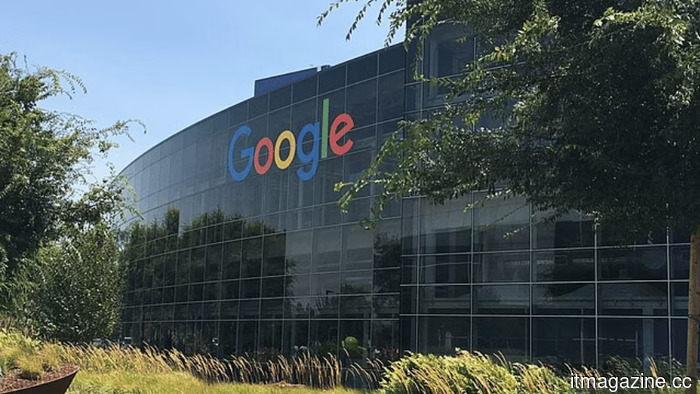 Q1 2026 earnings for Big Tech: $650 billion in AI capital expenditures and limitations on computing resources.
In the first quarter of 2026, Google Cloud, a part of Alphabet, experienced a 63% growth, whereas AWS reported a 28% increase. Meanwhile, Meta adjusted its capital expenditure guidance to $145 billion, resulting in a 6% drop in its share prices.
Q1 2026 earnings for Big Tech: $650 billion in AI capital expenditures and limitations on computing resources.
In the first quarter of 2026, Google Cloud, a part of Alphabet, experienced a 63% growth, whereas AWS reported a 28% increase. Meanwhile, Meta adjusted its capital expenditure guidance to $145 billion, resulting in a 6% drop in its share prices.
The Trump administration halts the launch of Anthropic's Mythos.
The White House has informed Anthropic that it is against the expansion of Mythos access to an additional 70 organizations, mentioning security and computational issues as reasons.