
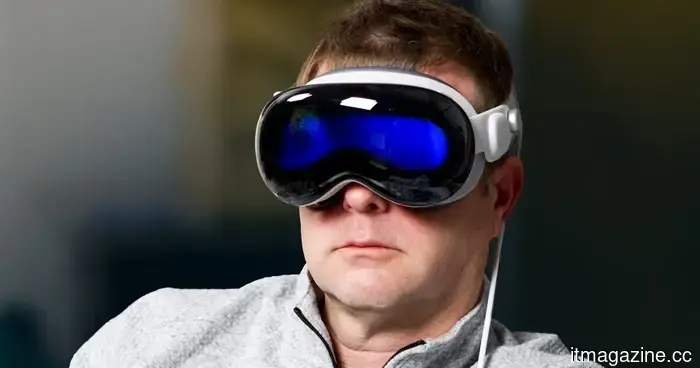
It appears that the fate of the Vision Pro headset has been determined at Apple.
It's never pleasant to witness a major miss, but this one hits differently because Apple had all the resources it needed to succeed and still fell short.
As reported by MacRumors, Apple has subtly retracted from the Vision Pro. It hasn't been discontinued—the M5 model is still available at $3,499—but the internal teams responsible for its development and upkeep have been reassigned to other projects, and there are no current plans for a successor. Essentially, the Vision Pro initiative is stalled, possibly for good.
The M5 update introduced in late 2025 was intended to offer the device a second chance, boasting a faster chip, improved band, and notable display enhancements. However, the launch was underwhelming. Consumers were not purchasing it, leading to return rates that were reportedly unprecedented for an Apple product. With only around 600,000 units sold throughout its lifetime, it becomes clear just how significantly this product missed the mark.
The issue was never about the chip.
The harsh reality that Apple likely recognized was that no upgrade in silicon would remedy the fundamental flaws of the Vision Pro. It was too heavy, excessively priced, and persuading consumers to wear a $3,500 computer on their face for long periods, especially when it led to headaches and neck strain, was never going to become commonplace, regardless of how high-quality the display was.
Zeke Jones / Digital Trends
The Vision Air, a reportedly lighter and more affordable alternative in development, could have been the potential solution—a fresh approach with a more inviting price point, free from the earlier device's stigma. But that project was also put on hold last year, leaving Apple without a clear direction in the VR market. Even former Vision Pro lead Mike Rockwell has shifted focus—now heading Apple's Siri team, which indicates where the company's current internal focus lies.
Where Apple is directing its efforts now
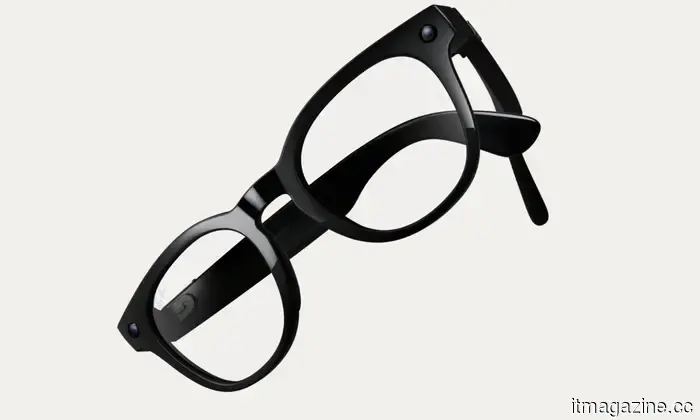
Instead of committing further to full spatial computing, Apple is focusing its resources on smart glasses—an option that's more wearable and socially acceptable. The first iteration is rumored to lack an integrated display, which represents a significant reduction in ambition but a practical advance.
Interestingly, the technology behind the Vision Pro cannot simply be adapted for glasses, as it consumes too much power for a device that small and lightweight. Consequently, Apple is essentially starting anew within a different category, leaving the Vision Pro’s $3,499 legacy as an expensive reminder of the chasm between impressive technology and what consumers are willing to wear.
Will the Vision Pro name ever return? Perhaps, if Apple manages to develop a design that doesn’t feel burdensome. However, at this moment, the headset that was meant to set the standard for spatial computing is on track to become a quiet, overlooked chapter in Apple's history.

Other articles
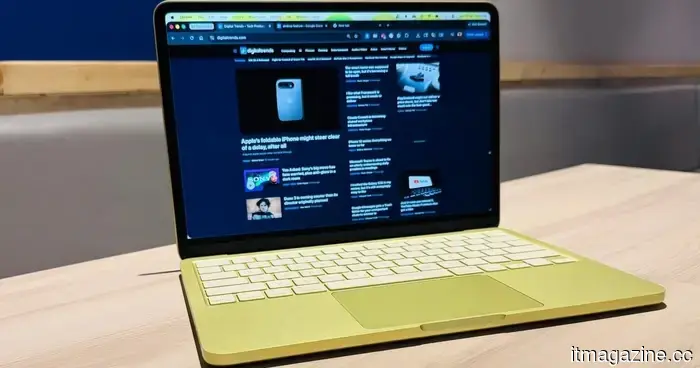 The upcoming MacBook Neo may receive a RAM enhancement. Incredible, especially considering the current economic situation!
The upcoming MacBook Neo from Apple is said to feature the A19 Pro chip along with 12GB of RAM — a long-awaited enhancement that may ultimately make the entry-level Mac laptop a worthwhile investment.
The upcoming MacBook Neo may receive a RAM enhancement. Incredible, especially considering the current economic situation!
The upcoming MacBook Neo from Apple is said to feature the A19 Pro chip along with 12GB of RAM — a long-awaited enhancement that may ultimately make the entry-level Mac laptop a worthwhile investment.
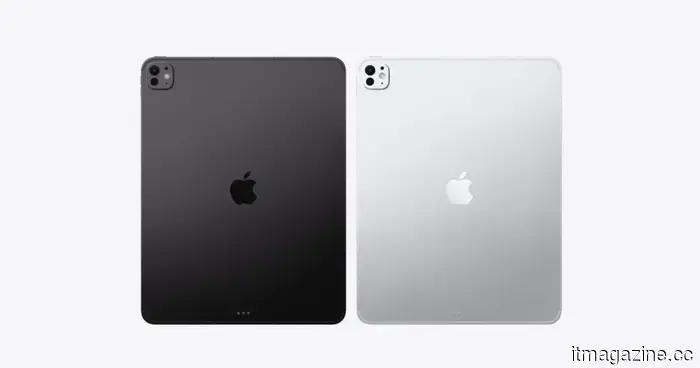 The aspirations for an immensely powerful and large “iPad Ultra” have hit a dead end.
The dream of Apple's iPad Ultra is over — extinguished by poor iPad Pro sales, an excessively heavy foldable prototype, and a price point that was unjustifiable from the outset.
The aspirations for an immensely powerful and large “iPad Ultra” have hit a dead end.
The dream of Apple's iPad Ultra is over — extinguished by poor iPad Pro sales, an excessively heavy foldable prototype, and a price point that was unjustifiable from the outset.
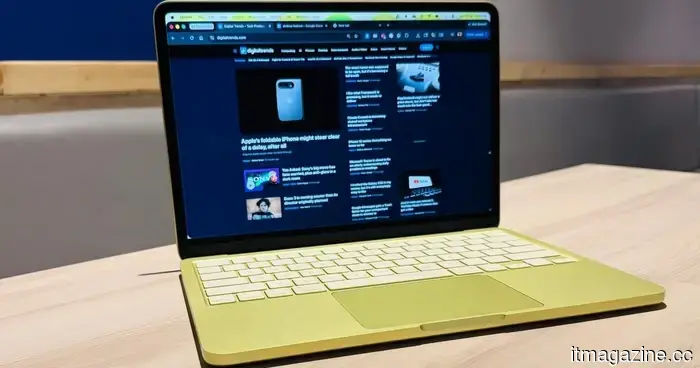 The upcoming MacBook Neo may receive a RAM enhancement. Indeed, in this economy, no less!
The upcoming MacBook Neo from Apple is anticipated to include the A19 Pro chip along with 12GB of RAM — a much-needed enhancement that may at last justify the cost of the entry-level Mac laptop.
The upcoming MacBook Neo may receive a RAM enhancement. Indeed, in this economy, no less!
The upcoming MacBook Neo from Apple is anticipated to include the A19 Pro chip along with 12GB of RAM — a much-needed enhancement that may at last justify the cost of the entry-level Mac laptop.
It appears that the fate of the Vision Pro headset has been determined at Apple.
Apple has discreetly stepped back from the Vision Pro, dissolving its internal team and putting future models on hold — signaling an expensive conclusion to the company's most ambitious yet least successful product in recent years.