
Meta is set to reverse its $2 billion Manus acquisition following China's blocking of the deal.
Meta is gearing up to unwind its acquisition of the agentic AI startup Manus, valued at around $2 billion, following the formal cancellation order issued by China's National Development and Reform Commission (NDRC) on Monday, as reported by the Wall Street Journal, citing sources familiar with the situation.
Beijing has set a preliminary deadline of a few weeks for Meta and Manus to reverse the transaction and completely restore Manus's Chinese assets to their original condition. Both Meta and Manus had not publicly acknowledged the preparations to unwind at the time of this report.
This new information from the Journal carries significant operational implications. The NDRC's cancellation order on Monday confirmed the formal prohibition of the deal by China. The report on Tuesday clarifies that this prohibition comes with a specific compliance deadline and outlines the necessary outcome: returning Manus’s Chinese assets to their pre-acquisition status. This represents a more detailed and stringent requirement than a mere cancellation order.
It suggests that some elements of the Manus organization, its assets, or operational infrastructure are still legally based in China and must be disentangled from Meta’s ownership before the deadline lapses.
The definition of “Chinese assets” for a company incorporated in Singapore and primarily led by Singapore-based founders poses a question that legal teams for both Meta and Manus will be addressing in the coming weeks under Chinese regulatory oversight.
The broader implications of this situation are noteworthy. China’s push to unwind a completed deal involving a company that had legally moved to Singapore is “a step unlike anything it’s tried before.” The NDRC's claim of jurisdiction hinges on the argument that Manus, despite being incorporated in Singapore, has maintained sufficient ties to China—through its founders, the origins of its technical development, its data, or its institutional knowledge—making it subject to scrutiny under Chinese foreign investment regulations.
If this claim is not legally contested, it could serve as a template for future cases involving Chinese-founded AI companies incorporated abroad seeking to be acquired by US entities. The lack of a detailed legal rationale signals China’s intent to block such transactions without establishing a public precedent that could be challenged in international arbitration.
The NDRC’s succinct statement—prohibiting foreign investment in the Manus project according to laws and regulations—is crafted to achieve the desired result without leaving room for legal disputes.
For Meta, the operational implications are becoming clear quickly. The company invested about $2 billion in acquiring an agentic AI team and technology that it must now return in some form to satisfy Chinese regulatory requirements. While the financial loss is manageable—Meta has $70 billion in cash and can absorb the write-down—the strategic loss is more significant. Meta had intended for Manus to be a key acquisition to enhance its agentic AI capabilities, essential to its AI product strategy for 2026 and 2027.
Whether the Manus technology, platform, or team can be reestablished outside of China's regulatory framework—in Singapore, the US, or in a structure that meets the NDRC’s demands while maintaining Meta’s access to the capabilities it paid for—is the central question that will need to be answered in the coming weeks.
Other articles
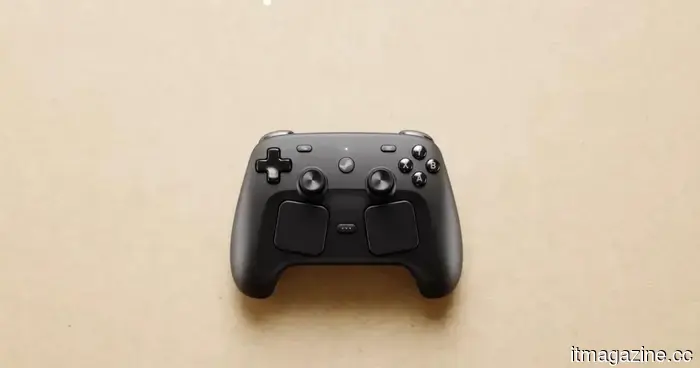 Valve has officially announced the Steam Controller, including its price and release date.
Following weeks of rumors, Valve has officially announced its new hardware: the Steam Controller will be released on May 4 for $99.
Google enters into a classified AI agreement with the Pentagon.
Google has entered into a secret AI agreement with the Pentagon that permits its models to be used for 'any legal government purpose.'
Valve has officially announced the Steam Controller, including its price and release date.
Following weeks of rumors, Valve has officially announced its new hardware: the Steam Controller will be released on May 4 for $99.
Google enters into a classified AI agreement with the Pentagon.
Google has entered into a secret AI agreement with the Pentagon that permits its models to be used for 'any legal government purpose.'
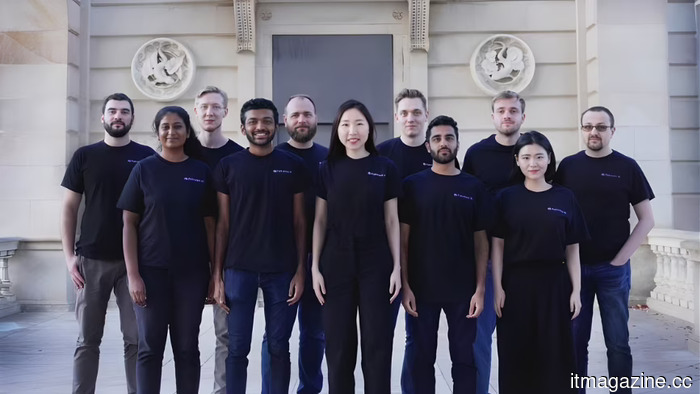 Patronus has secured €11 million in funding to transform senior emergency smartwatches from mere 'bedside decoration' into everyday wearable devices.
Berlin’s Patronus secures €11M, led by 3TS Capital Partners, for its senior emergency smartwatch that boasts an 85% daily usage rate.
Patronus has secured €11 million in funding to transform senior emergency smartwatches from mere 'bedside decoration' into everyday wearable devices.
Berlin’s Patronus secures €11M, led by 3TS Capital Partners, for its senior emergency smartwatch that boasts an 85% daily usage rate.
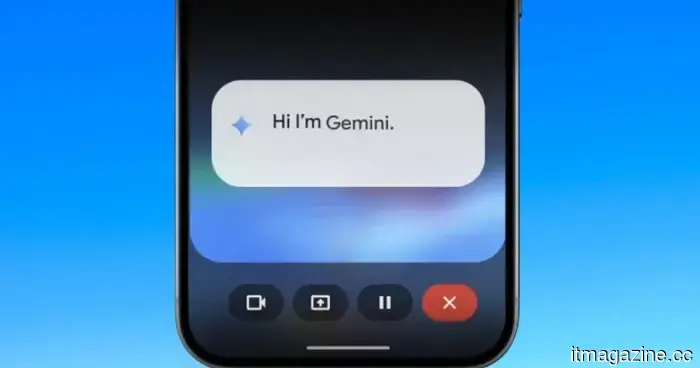 Gemini aims to access your emails, calendar, and notifications to assist you proactively, even before you make a request.
The new Proactive Assistance feature of Google Gemini will offer tailored suggestions automatically, using data from apps chosen by the user such as Gmail and Calendar, along with content displayed on the screen.
Gemini aims to access your emails, calendar, and notifications to assist you proactively, even before you make a request.
The new Proactive Assistance feature of Google Gemini will offer tailored suggestions automatically, using data from apps chosen by the user such as Gmail and Calendar, along with content displayed on the screen.
 Meta is set to reverse its $2 billion acquisition of Manus following China's prevention of the deal.
Meta is getting ready to reverse its $2 billion acquisition of Manus following the block issued by China's NDRC, with an initial deadline of a few weeks to undo the agreement.
Google finalizes a confidential AI agreement with the Pentagon.
Google has entered into a confidential AI agreement with the Pentagon that permits its models to be used for "any lawful government purpose."
Meta is set to reverse its $2 billion acquisition of Manus following China's prevention of the deal.
Meta is getting ready to reverse its $2 billion acquisition of Manus following the block issued by China's NDRC, with an initial deadline of a few weeks to undo the agreement.
Google finalizes a confidential AI agreement with the Pentagon.
Google has entered into a confidential AI agreement with the Pentagon that permits its models to be used for "any lawful government purpose."
Meta is set to reverse its $2 billion Manus acquisition following China's blocking of the deal.
Meta is getting ready to reverse its $2 billion acquisition of Manus following the block by China’s NDRC, with an initial deadline of a few weeks to terminate the agreement.