
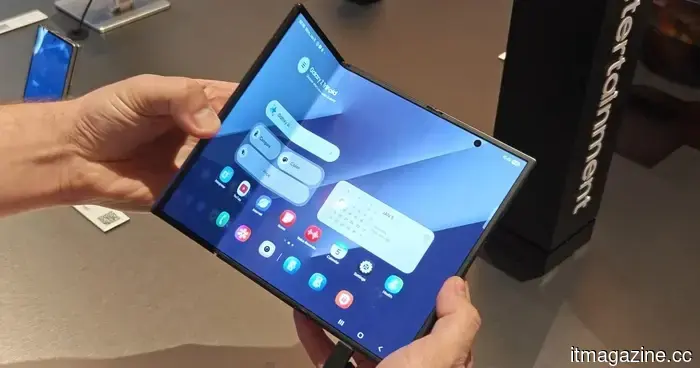
The Galaxy Z TriFold has come to an end. Here’s what I hope its next version will improve.
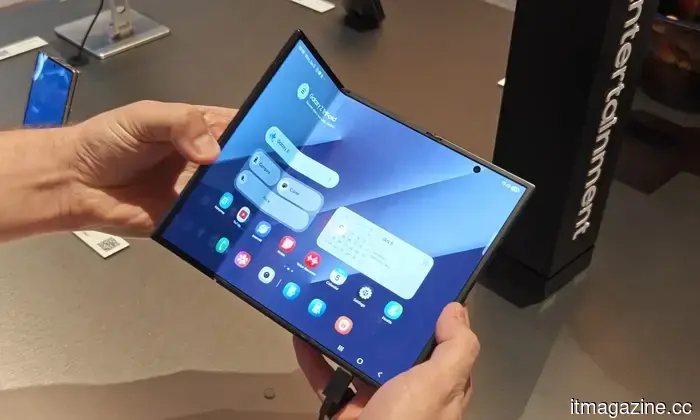
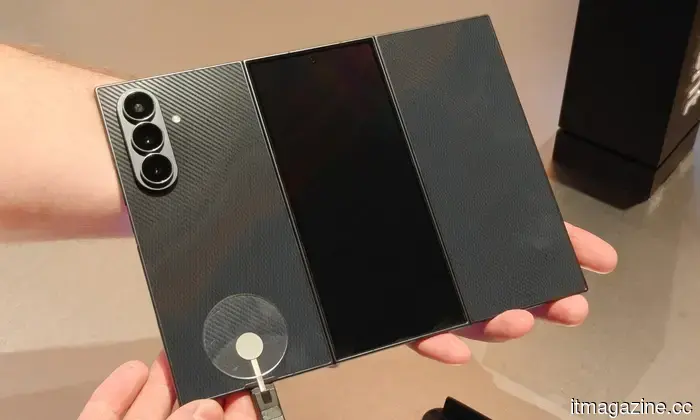
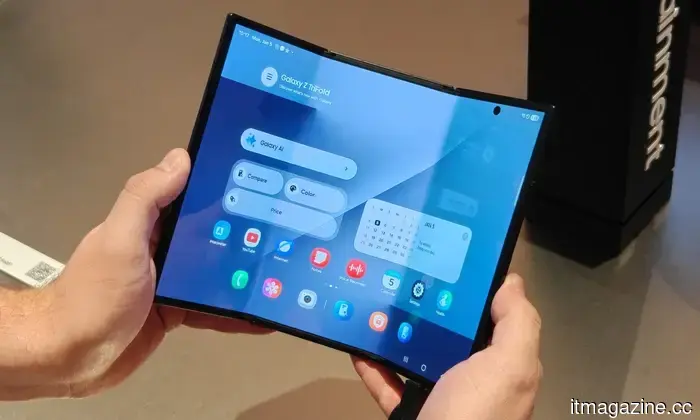
The Samsung Galaxy Z TriFold is a device that, by most standards, shouldn't exist at all, yet here it is: featuring a large 10-inch display, two hinges, and a price that could make your wallet weep.
Samsung recognized it was launching a first-generation product, which is why it maintained limited production, presenting it more as a showcase of engineering ingenuity rather than a wide-scale release.
However, “more successes than failures” is not the benchmark for a device that costs nearly as much as two or three regular smartphones. Currently, the TriFold is no longer available, but reports indicate that its successor, the Galaxy Z TriFold 2, is on the company's agenda, possibly still under development and undergoing testing in a lab.
**Samsung Galaxy Z TriFold Specifications**
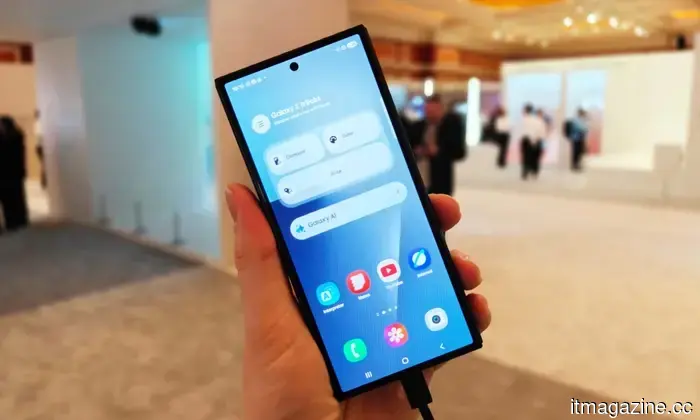
- **Display:** 10-inch main (AMOLED, 120Hz) + 6.5-inch cover
- **Peak Brightness:** 1,600 nits (main) / 2,600 nits (cover)
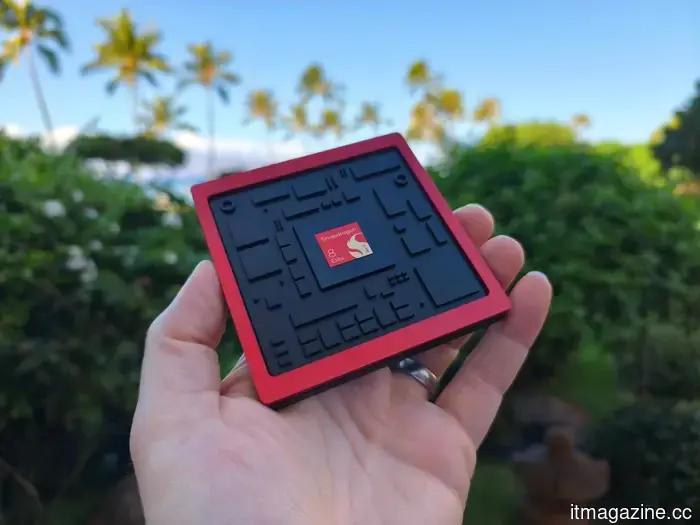
- **Chipset:** Snapdragon 8 Elite for Galaxy
- **RAM / Storage:** 16GB RAM / 512GB or 1TB
- **Rear Cameras:** 200MP wide + 12MP ultrawide + 10MP 3x telephoto
- **Front Cameras:** 10MP (cover) + 10MP (foldable screen)
- **Battery / Charging:** 5,600mAh / 45W wired, 15W wireless
- **Ingress Protection:** IP48
- **Dimensions:** 3.9–4.2mm unfolded / 12.9mm folded / 309g
**Five Aspects the Galaxy Z TriFold 2 Must Improve**
When the Galaxy Z TriFold 2 debuts, it should not just be a sleeker, more polished iteration of the current foldable, but should instead prove itself worthy of being carried in more pockets.
Here are key areas the Galaxy Z TriFold 2 needs to enhance, as they could determine whether it's a device people admire from afar or one they genuinely want to purchase.
1. **A Slimmer, More Resilient Hinge and Body**
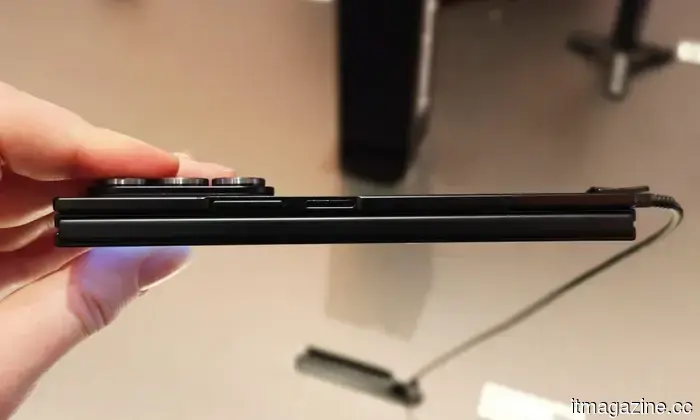
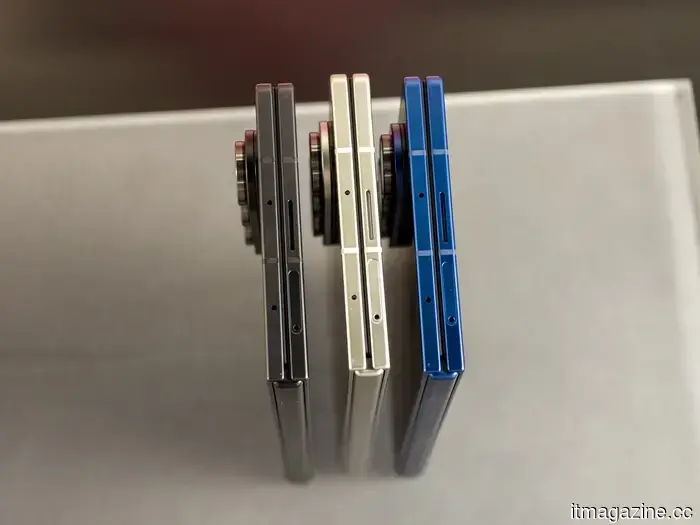
The original TriFold’s dual-hinge design was an impressive feat of engineering but also its most significant drawback. At a thickness of 12.9mm when folded and a weight of 309 grams, the TriFold appeared quite hefty compared to Samsung’s Fold 7, which is 8.9mm thick and weighs only 215 grams.
While it's clear that two hinges will naturally occupy more space than one, this illustrates how the Fold 7 offers a more refined product compared to the TriFold. Fortunately, the company seems aware of this issue.
Recent speculation indicates that Samsung is crafting an “entirely new hinge design” for the TriFold 2, aiming for a markedly slimmer profile. However, mere thinness is insufficient; this device must withstand the rigors of daily life better than the TriFold without sacrificing structural durability.
2. **Enhanced Ingress Protection Rating**
The Galaxy Z TriFold was released with an IP48 rating, identical to the Fold 7, and superior to the Huawei Mate XT which has an IPX8 rating with no dust protection.
Yet, "better than Huawei's Mate XT" isn't a particularly impressive benchmark, especially since the Pixel 10 Pro Fold became the first foldable to achieve a full IP68 rating, equivalent to standard flagship devices.
For a device that represents the pinnacle of Samsung's engineering prowess, an IP48 rating feels less reassuring. I believe the TriFold 2 should aim for an IP68 rating as a minimum standard, as should the Fold 7.
3. **Increased Peak Brightness for the Inner Display**
The TriFold’s argument mainly rests on its display size. It's enticing to think about fitting a large-screen foldable smartphone in your pocket (and technically, you can). However, it’s puzzling that the main 10-inch screen only achieves a peak brightness of 1,600 nits, less than the Galaxy Z Fold 5.
For comparison, the Galaxy Z Fold 7's inner display can reach 2,600 nits, as can the Galaxy S26 Ultra and the TriFold's outer display. While these specifications may sound like mere numbers, they are crucial for outdoor use in direct sunlight.
This difference affects user experience substantially, as it changes whether you can confidently check your phone outside on a sunny day or if you have to find shade to see notifications. Given Samsung's expertise in display technology, a brighter main display would be appreciated for daily use, aligning with modern flagships and other foldables.
4. **A More Powerful Chip for Enhanced Multitasking**
The Galaxy Z TriFold was equipped with the Snapdragon 8 Elite chip, which at its launch was the most
Other articles
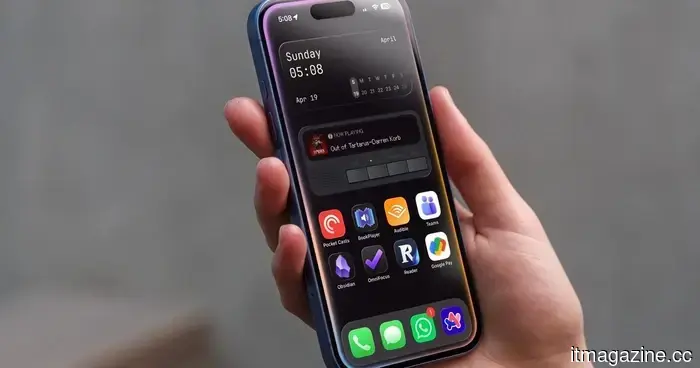 Apple may revive the popularity of curved displays with the iPhone celebrating its 20th anniversary.
Apple's iPhone, marking its 20th anniversary, is set to be a notable design shift, showcasing a subtle four-edge micro-curve along with a COE OLED panel manufactured by Samsung.
Apple may revive the popularity of curved displays with the iPhone celebrating its 20th anniversary.
Apple's iPhone, marking its 20th anniversary, is set to be a notable design shift, showcasing a subtle four-edge micro-curve along with a COE OLED panel manufactured by Samsung.
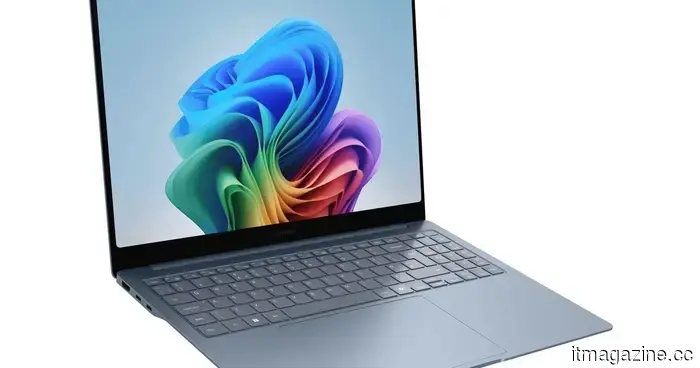 Samsung's latest Galaxy Book, equipped with Snapdragon, isn't the MacBook Neo competitor I had anticipated.
The Snapdragon X2 Elite chip and AMOLED display seem impressive, but Samsung’s forthcoming Galaxy Book 6 Edge might not arrive in the expected position.
Samsung's latest Galaxy Book, equipped with Snapdragon, isn't the MacBook Neo competitor I had anticipated.
The Snapdragon X2 Elite chip and AMOLED display seem impressive, but Samsung’s forthcoming Galaxy Book 6 Edge might not arrive in the expected position.
 Microsoft refreshes the Windows Insider Program, introducing a more straightforward framework and increased user control.
Microsoft has overhauled the Windows Insider Program by streamlining its channels and enhancing user control, with the goal of improving testing, feedback, and the overall experience of Windows updates.
Microsoft refreshes the Windows Insider Program, introducing a more straightforward framework and increased user control.
Microsoft has overhauled the Windows Insider Program by streamlining its channels and enhancing user control, with the goal of improving testing, feedback, and the overall experience of Windows updates.
 Discord users bypass access restrictions to gain entry to Anthropic's Mythos model.
Unauthorized access to Anthropic’s Mythos AI underscores increasing worries about protecting powerful systems, revealing weaknesses not within the model itself but in the access framework that surrounds it.
Discord users bypass access restrictions to gain entry to Anthropic's Mythos model.
Unauthorized access to Anthropic’s Mythos AI underscores increasing worries about protecting powerful systems, revealing weaknesses not within the model itself but in the access framework that surrounds it.
The Galaxy Z TriFold has come to an end. Here’s what I hope its next version will improve.
The TriFold was Samsung's most ambitious smartphone in years, but it also faced significant compromises. Its successor must avoid making the same errors.