
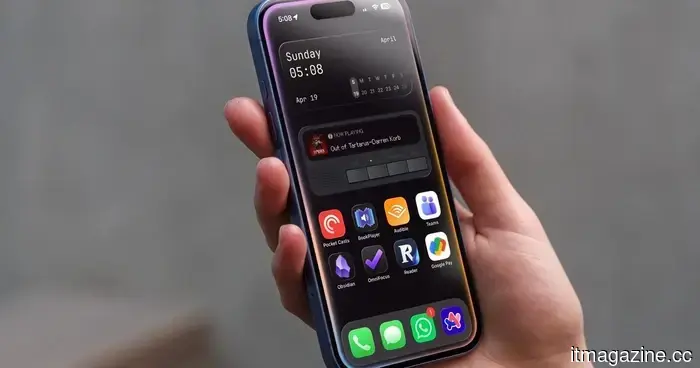
Apple may revive the popularity of curved displays with the iPhone celebrating its 20th anniversary.
Apple's anniversary iPhone for 2027 isn't merely a landmark release; it may be the first iPhone that possesses a design entirely distinct from previous models.
Apple tends to celebrate anniversaries with flair, as evidenced by the iPhone X released in 2017. With 2027 on the horizon, commemorating two decades since the original iPhone's debut, recent supply chain leaks imply that the company is preparing something beyond just a specification upgrade.
The 20th anniversary iPhone might feature the most significant design change in its history.
What type of display is Apple reportedly developing?
According to insights from Chinese leaker Digital Chat Station (via Weibo), Apple is collaborating with Samsung on a unique “micro-curved” OLED display, which bends around the device's four edges.
Rather than the typical “waterfall” edges seen in Samsung's S Edge series, Apple is aiming for a design that is intentionally more understated, just enough to enhance the ergonomics while ensuring the phone resembles no prior iPhone.
These softened edges would enhance the design's natural feel while preventing distortion of on-screen content at the edges. Additionally, the display might eliminate the polarizer layer altogether, opting instead for Samsung’s Color Filter on Encapsulation (COE) technology, which directly applies the color filter onto the encapsulation layer.
This method decreases the overall thickness of the display while increasing light transmission, resulting in improved brightness and reduced power consumption. Simultaneously, Apple is reportedly integrating a crated-shaped light diffusion layer to maintain consistent brightness across the entire screen.
Could the front camera and Face ID end up beneath the display?
It’s a possibility, though it remains complicated. Display analyst Ross Young has previously indicated that under-display Face ID won’t be available for the 2027 iPhone, while other informants suggest that the engineering challenge may still be feasible for that timeframe.
Apple is actively testing an under-display front camera module, indicating that the 20th anniversary iPhone could boast a screen free from bezels or hole-punches, or something close to that. Regardless, the company is striving for an all-glass iPhone without visible display cutouts.
While I fully trust Apple and Samsung’s combined design and engineering capabilities—making an all-display smartphone potentially achievable—my concern lies in its durability and how it will withstand regular wear and tear.
For over five years, Shikhar has consistently simplified advancements in consumer technology and presented them…
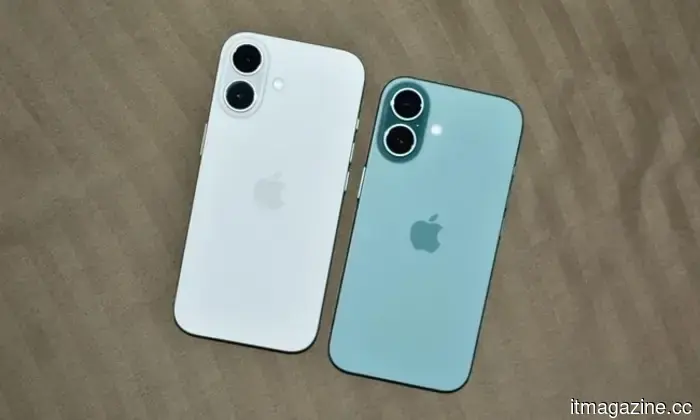
I was won over by the iPhone 17, yet I’d still recommend the iPhone 16 to the average user.
The iPhone 16 shares its design, software, AI features, and primary camera with its successor, all at a more affordable price.
While using the iPhone 17, I picked up my iPhone 16 to view an older video, which sparked an epiphany: nothing about the iPhone 16 felt inferior to its successor. It wasn’t slower, the design didn’t feel significantly different, and nothing about it felt “old” or “outdated.” This realization lingered with me for several days.
The smartphone industry has conditioned us to perceive a year’s worth of upgrades—regardless of how minor—as something substantial. Yet, after reverting to the iPhone 16 after over six months with the iPhone 17, I recognized that’s not always true. We're so focused on identifying the tiniest spec changes that we forget a product cycle shouldn't dictate a device's obsolescence.
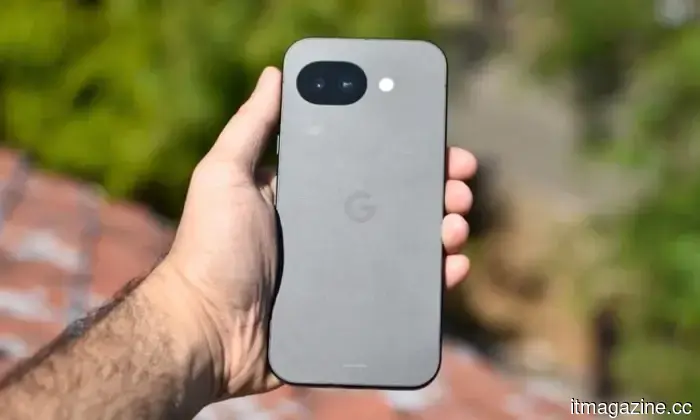
I spent weeks with the Pixel 10a, and now I no longer mind the specs debate.
Google's most budget-friendly Pixel sacrifices raw power and a telephoto lens for something harder to quantify: a phone that simply functions flawlessly every time.
When Google unveiled the Pixel 10a, I, like many others, opened the specs sheet, compared the chip to other smartphones in the same price range, and felt an all-too-familiar apprehension. I wondered: “What is Google thinking?”
The Pixel 10a boasts a Tensor G4 chip (from 2024) that doesn’t shine in benchmarks, thicker front bezels, a 120Hz display lacking true variable refresh rates, no telephoto camera, and charging speeds that lagged behind competitors. On paper, it appeared as though the phone had thrown in the towel before even being released.
Apple is pursuing ten new product categories in the coming years.
A leadership change could signal Apple’s most ambitious hardware initiative in years.
Apple is at a pivotal moment in its product evolution. The company is experiencing unprecedented revenue with a diverse product lineup, navigated a misstep in its AI strategy, and recently underwent a leadership transition. Tim Cook is stepping down as CEO, with engineering veteran John Ternus stepping into the top role. Notably, Apple appears to be making a monumental shift in its product development, planning ten distinct device categories for the upcoming years.

Other articles
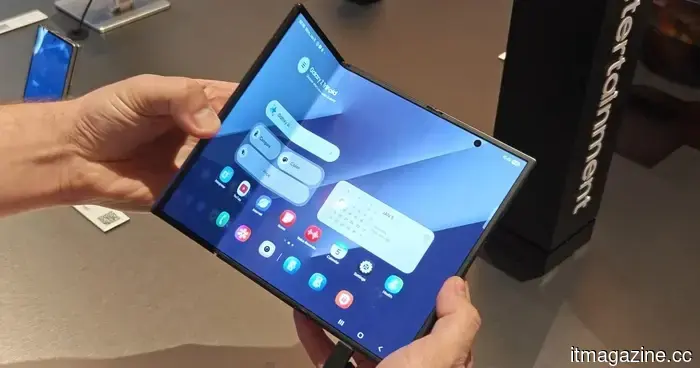 The Galaxy Z TriFold has come to an end. Here’s what I hope its next version will improve.
The TriFold was Samsung's most ambitious smartphone in years, but it also faced significant compromises. Its successor must avoid making the same errors.
The Galaxy Z TriFold has come to an end. Here’s what I hope its next version will improve.
The TriFold was Samsung's most ambitious smartphone in years, but it also faced significant compromises. Its successor must avoid making the same errors.
 Discord users bypass access restrictions to gain entry to Anthropic's Mythos model.
Unauthorized access to Anthropic’s Mythos AI underscores increasing worries about protecting powerful systems, revealing weaknesses not within the model itself but in the access framework that surrounds it.
Discord users bypass access restrictions to gain entry to Anthropic's Mythos model.
Unauthorized access to Anthropic’s Mythos AI underscores increasing worries about protecting powerful systems, revealing weaknesses not within the model itself but in the access framework that surrounds it.
 Microsoft refreshes the Windows Insider Program, introducing a more straightforward framework and increased user control.
Microsoft has overhauled the Windows Insider Program by streamlining its channels and enhancing user control, with the goal of improving testing, feedback, and the overall experience of Windows updates.
Microsoft refreshes the Windows Insider Program, introducing a more straightforward framework and increased user control.
Microsoft has overhauled the Windows Insider Program by streamlining its channels and enhancing user control, with the goal of improving testing, feedback, and the overall experience of Windows updates.
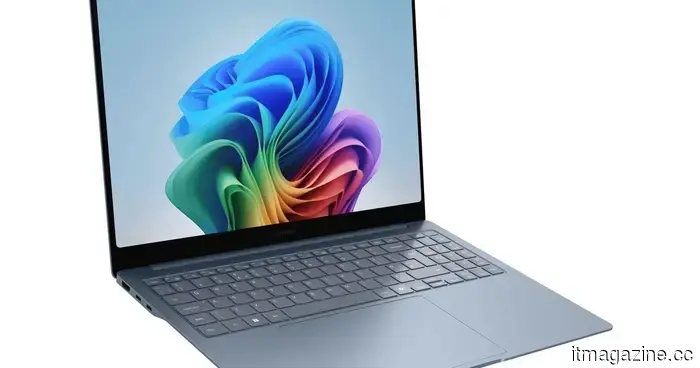 Samsung's latest Galaxy Book, equipped with Snapdragon, isn't the MacBook Neo competitor I had anticipated.
The Snapdragon X2 Elite chip and AMOLED display seem impressive, but Samsung’s forthcoming Galaxy Book 6 Edge might not arrive in the expected position.
Samsung's latest Galaxy Book, equipped with Snapdragon, isn't the MacBook Neo competitor I had anticipated.
The Snapdragon X2 Elite chip and AMOLED display seem impressive, but Samsung’s forthcoming Galaxy Book 6 Edge might not arrive in the expected position.
Apple may revive the popularity of curved displays with the iPhone celebrating its 20th anniversary.
Apple's iPhone, marking its 20th anniversary, is set to be a notable design shift, showcasing a subtle four-edge micro-curve along with a COE OLED panel manufactured by Samsung.