
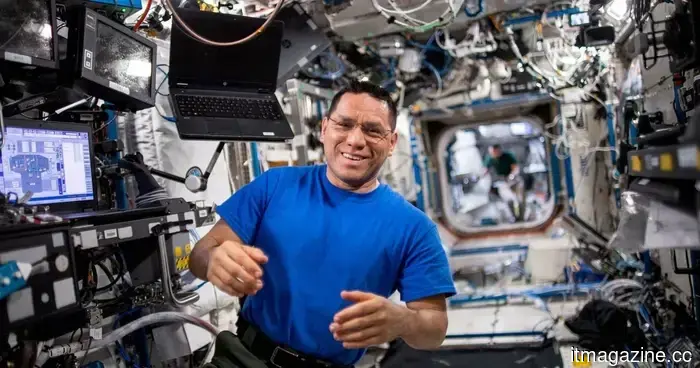
Astronauts aboard the ISS are set to receive an upgraded laptop from HP.
The International Space Station is set to undergo a significant upgrade for its HP laptops.
Few experiences are more aggravating than using a slow, lagging laptop, and I can’t imagine enduring one while working in space. Even astronauts are not exempt from the wear and tear of aging laptops, hence NASA is preparing for an extensive upgrade.
The Expedition 74 crew recently discussed a comprehensive computer upgrade planned for the weekend, which will begin with the replacement of network servers and will be followed by the introduction of "new, more powerful laptop computers" on the International Space Station.
Which HP laptop is heading to space?
NASA
NASA’s brief update did not specify the laptop model, but a NASA representative later informed The Verge that the upcoming laptop model for the station is the HP ZBook G9 Mobile Workstation. This new model will replace the older HP ZBook Fury G2 laptops currently utilized on the ISS, with the first set of these newer systems having launched in October 2025.
This upgrade is not merely a standard equipment exchange. While the ISS continues to rely on reliable, mission-proven hardware, contemporary life in orbit includes scientific tasks, imaging, communications, logistics, and system monitoring—all of which will gain from more advanced equipment.
How powerful are these laptops?
The International Space Station NASA
HP's new laptops are high-performance workstation-grade systems. The customized configuration for the ISS includes an Intel Core Ultra 9 vPro HX processor, an Nvidia RTX Pro Blackwell GPU, 128GB of DDR5 memory, and four 2TB NVMe SSDs. Although such specifications are not typical for a consumer laptop, HP indicates that these machines also require a specially designed NASA-exclusive AC/DC power adapter, as the ISS operates mainly on DC power, rendering standard Earth AC chargers unfit for use in space.
Over 100 HP workstations are already operational on the ISS, along with microgravity-compatible printers, and the G9 laptops mark the third generation of HP computing platforms onboard. With the station expected to be decommissioned in 2030, this may be one of the last major PC upgrades before the planned deorbit.
Vikhyaat Vivek is a tech journalist and reviewer with seven years of experience in covering consumer hardware, focusing on…
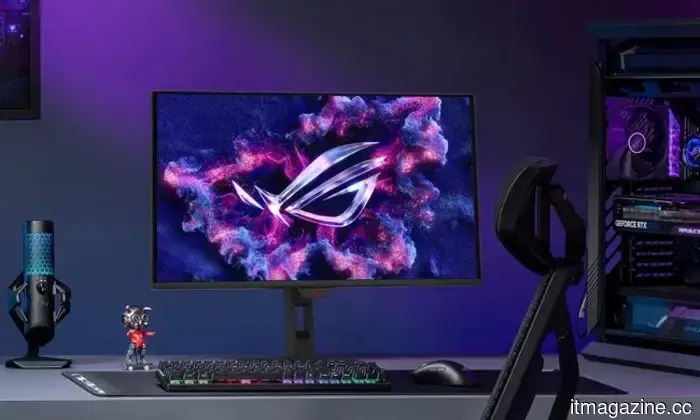
Monitors have evolved beyond simple upgrades. Discover the changes ahead.
The latest advancements, from OLED breakthroughs to high refresh rates and 6K displays, are redefining the capabilities of modern monitors.
For an extended period, monitor enhancements followed a predictable trajectory. Resolution improved, refresh rates escalated, and panel technologies advanced steadily. Upgrades felt minor rather than revolutionary. However, that trend is beginning to change.
Meta's latest monitoring plans are so unsettling that I am at a loss for words.
Meta intends to monitor employees' every click, keystroke, and mouse move, potentially impacting their job security.
Having reported on technology for several years, I have witnessed companies engage in questionable practices under the guise of innovation. Yet, Meta's latest initiative may be the most extreme example yet. As reported by Reuters, Meta is implementing tracking software on its employees' work computers. Named the Model Capability Initiative (MCI), this tool will record mouse movements, clicks, and keystrokes. It will also capture occasional screenshots of employees' screens.
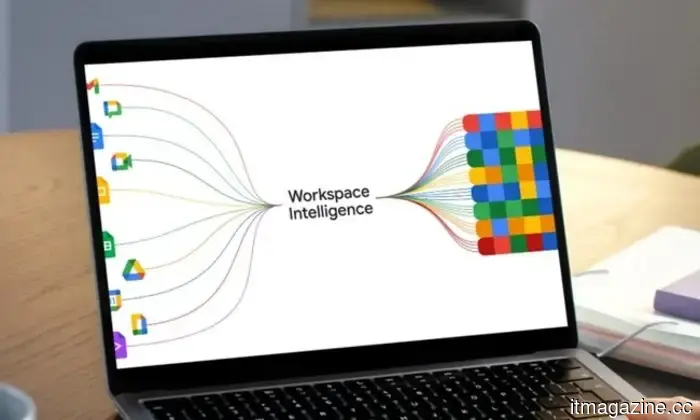
Workspace Intelligence transforms Gemini into an all-encompassing AI agent for your work tasks.
Recently, Google introduced a new feature known as Personal Intelligence. The concept is to allow Gemini to access content stored in your Gmail inbox and Photos library. When you inquire about travel plans, projects, or related topics, the AI will automatically reference your saved information to provide useful responses without needing any context from you. It simply understands your needs.



Other articles
 The smart #2 EV concept and the #6 EHD hybrid hatchback were revealed during the brand night prior to the Beijing Auto Show.
On Wednesday, at the Global Brand Night event in Beijing, the electric vehicle brand smart, a China-Germany joint venture, introduced the new smart model.
The smart #2 EV concept and the #6 EHD hybrid hatchback were revealed during the brand night prior to the Beijing Auto Show.
On Wednesday, at the Global Brand Night event in Beijing, the electric vehicle brand smart, a China-Germany joint venture, introduced the new smart model.
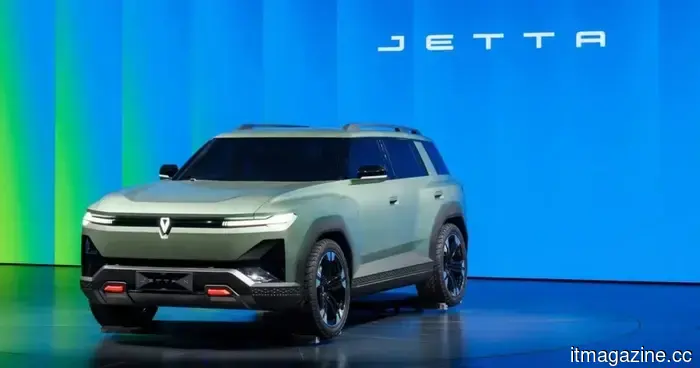 Volkswagen is transforming the Jetta into a $15,000 electric SUV, but it won't be available for U.S. markets.
The Jetta X is an electric SUV concept exclusive to China from Volkswagen's FAW-Volkswagen Jetta sub-brand, designed for the budget EV market with a target price of approximately $14,700.
Volkswagen is transforming the Jetta into a $15,000 electric SUV, but it won't be available for U.S. markets.
The Jetta X is an electric SUV concept exclusive to China from Volkswagen's FAW-Volkswagen Jetta sub-brand, designed for the budget EV market with a target price of approximately $14,700.
 The smart #2 electric vehicle concept and the #6 EHD hybrid hatchback were revealed during the brand night event prior to the Beijing Auto Show.
On Wednesday, during the Global Brand Night event in Beijing, the electric vehicle brand smart, a joint venture between China and Germany, introduced the new smart model.
The smart #2 electric vehicle concept and the #6 EHD hybrid hatchback were revealed during the brand night event prior to the Beijing Auto Show.
On Wednesday, during the Global Brand Night event in Beijing, the electric vehicle brand smart, a joint venture between China and Germany, introduced the new smart model.
 The Beats x Jennie headphones are so stylish that even those who dislike K-Pop will crave them.
Beats and Jennie have collaborated on a special edition of the Solo 4, featuring a striking all-black design with unique custom elements.
The Beats x Jennie headphones are so stylish that even those who dislike K-Pop will crave them.
Beats and Jennie have collaborated on a special edition of the Solo 4, featuring a striking all-black design with unique custom elements.
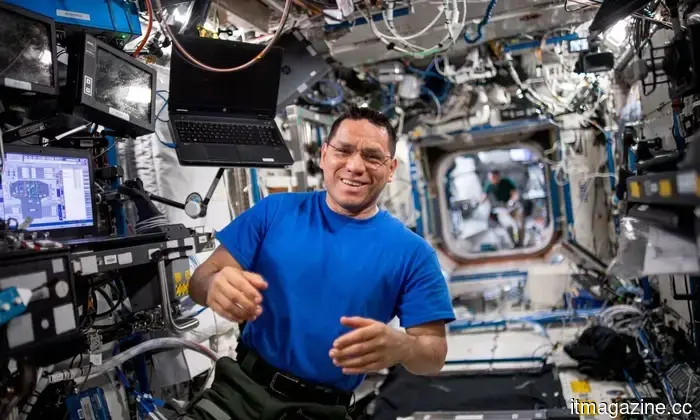
Astronauts aboard the ISS are set to receive an upgraded laptop from HP.
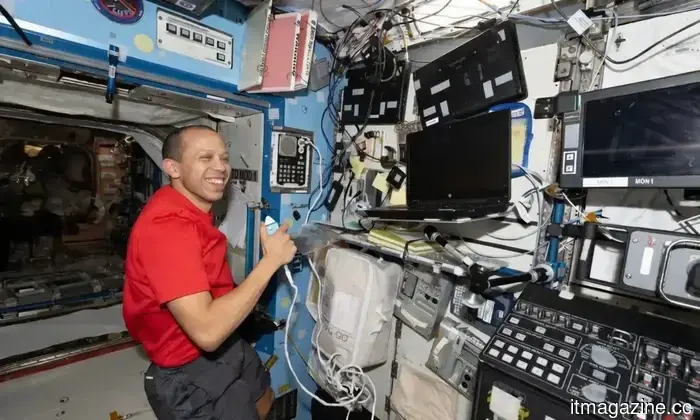
The crew aboard the ISS is getting ready for a computer upgrade, and the new HP laptops being introduced appear to be significantly more powerful than the older devices they are substituting.