
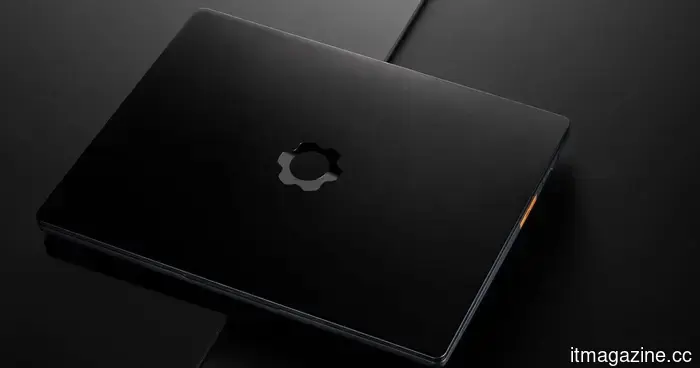
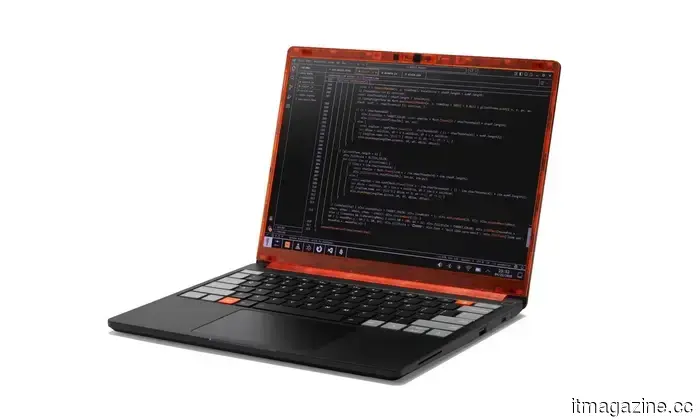
The Framework Laptop 13 Pro is the fixable MacBook Pro alternative that Linux users have been anticipating.
Framework has been meticulously refining its modular laptop concept for six years, and the new Framework Laptop 13 Pro may be approaching its optimal design. This model features a complete redesign addressing major user complaints, particularly regarding battery life, and it goes further than that.
Does it truly outperform a MacBook Pro in battery performance?
Yes, you read it correctly. Framework asserts that the Laptop 13 Pro can last over 20 hours while streaming Netflix at 4K, which is an increase of 12 hours compared to the previous Framework Laptop 13 and, notably, a bit longer than Apple’s 14-inch M5 Pro MacBook Pro.
Apple states that its latest M5 Pro MacBook Pro can achieve up to 22 hours of video streaming, slightly surpassing Framework's claim, though this may result from differing testing conditions. Framework plans to release comprehensive battery test videos on its YouTube channel, so you won't need to rely solely on their statements.
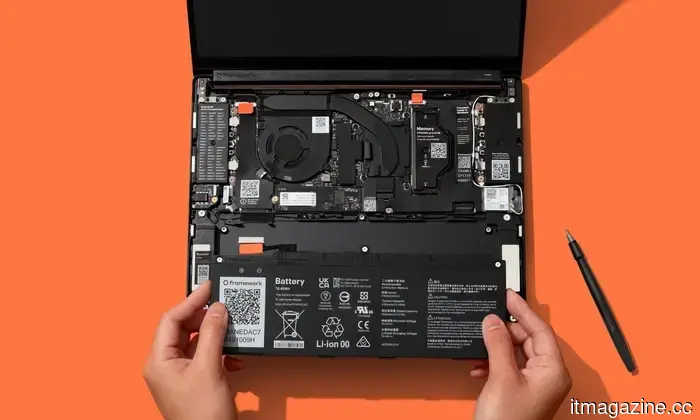
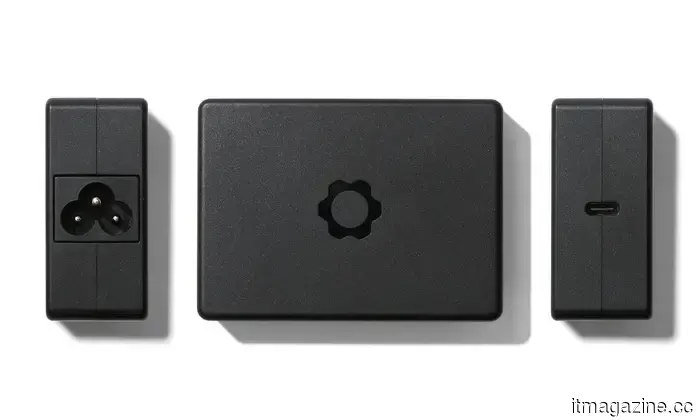
What piqued my interest more than the overall figures is the battery itself, which now has a capacity of 74Wh, representing a 22% increase from the last generation. Additionally, it includes a 100W GaN charger in the packaging for quicker recharging.
Aside from the larger battery, the significantly enhanced battery performance is also attributable to the new Intel Core Ultra Series 3 processors. These processors feature special Low Power Efficient cores that activate during lighter activities such as streaming, allowing the fans to remain off altogether.
There are three additional processor options: Core Ultra 5, Core Ultra X7, and Core Ultra X9. According to Framework, both the X7 and X9 models are capable of running AAA games like Cyberpunk 2077, which is not typically expected from an ultrabook with integrated graphics.
What else is new?
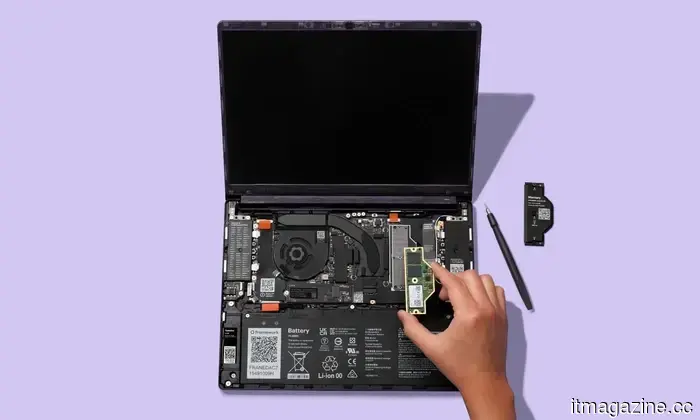
Nearly everything about the Framework 13 Pro laptop is fresh. It now utilizes LPCAMM2 memory, a new format that provides power-efficient LPDDR5X RAM in an upgradeable module. Options include 16GB, 32GB, or 64GB, which can be swapped out later if necessary. Storage can be expanded up to 8TB with PCIe 5.0 NVMe support, providing speeds that make most desktop drives seem sluggish.
The display has also been upgraded, featuring a 13.5-inch 3:2 panel with touch support, 700 nits of brightness, 1800:1 contrast ratio, and a variable refresh rate ranging from 30Hz to 120Hz.
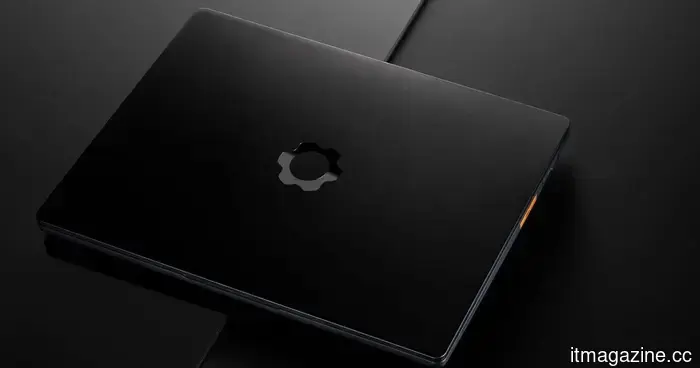
The chassis is now entirely machined from aluminum, it has a new haptic touchpad, and for the first time, Ubuntu comes pre-installed as an option. Of course, you can still choose the version with Windows 11 if that’s your preference.
What about the pricing?
The Framework Laptop 13 Pro starts at $1,199 for the DIY Edition and $1,499 for the pre-built version (pre-built models with Windows start at $1,699). Given that many other laptop manufacturers have raised their prices, this appears to be a reasonable cost. Pre-orders are open now, with shipments expected to begin in June.
Other articles
 The Framework Laptop 13 Pro is the Linux users' anticipated alternative to the MacBook Pro that emphasizes repairability.
The new Laptop 13 Pro from Framework features a 74Wh battery, Intel Core Ultra Series 3 processors, and a touch display, all housed within a fully repairable aluminum body.
The Framework Laptop 13 Pro is the Linux users' anticipated alternative to the MacBook Pro that emphasizes repairability.
The new Laptop 13 Pro from Framework features a 74Wh battery, Intel Core Ultra Series 3 processors, and a touch display, all housed within a fully repairable aluminum body.
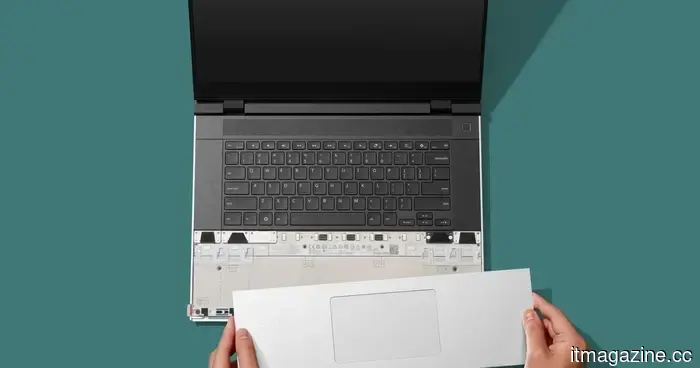 The Framework Laptop 16 features an improved touchpad, a refreshed design, and an impressive eGPU capability.
The Framework Laptop 16 features a smooth haptic touchpad, a fresh translucent bezel, an affordable Ryzen 5 variant, and an innovative OCuLink Dev Kit that transforms it into a desktop-level device.
The Framework Laptop 16 features an improved touchpad, a refreshed design, and an impressive eGPU capability.
The Framework Laptop 16 features a smooth haptic touchpad, a fresh translucent bezel, an affordable Ryzen 5 variant, and an innovative OCuLink Dev Kit that transforms it into a desktop-level device.
 Chatbots are becoming overly emotional, and this is frustrating customers.
A recent study has found that empathic responses from chatbots can have the opposite effect in customer service. Rather than soothing upset customers, it often leads to a negative reaction, exacerbating the overall experience.
Chatbots are becoming overly emotional, and this is frustrating customers.
A recent study has found that empathic responses from chatbots can have the opposite effect in customer service. Rather than soothing upset customers, it often leads to a negative reaction, exacerbating the overall experience.
The Framework Laptop 13 Pro is the fixable MacBook Pro alternative that Linux users have been anticipating.
The new Laptop 13 Pro from Framework features a 74Wh battery, Intel Core Ultra Series 3 processors, and a touch screen, all housed in an entirely repairable aluminum body.