

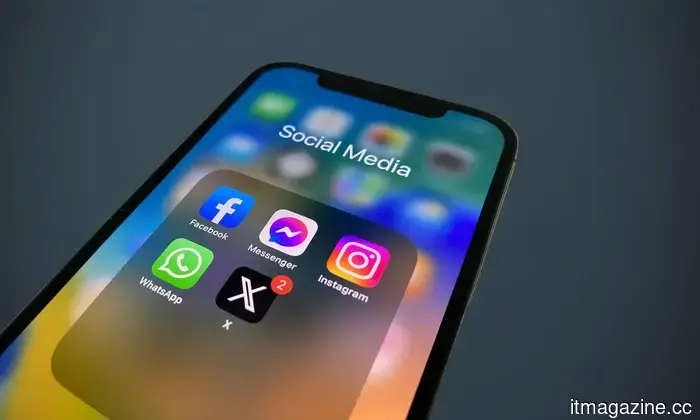
Meta is looking to charge users for WhatsApp, and it is currently exploring this option.
WhatsApp has been free for more than ten years, but Meta is beginning to change that. The company is testing a paid subscription version named WhatsApp Plus, and if you haven't heard of it yet, you likely will soon. The initial rollout was first noted by WABetaInfo, and some details have been confirmed by Meta's own Help Center.
What’s included in the service?
Currently, WhatsApp Plus primarily focuses on personalization. Subscribers receive access to premium stickers with unique effects, the ability to change the app’s themes and icons, and a custom ringtone option for particular contacts. Additionally, users can pin up to 20 chats instead of the standard limit and gain more detailed control over chat list alerts and notification sounds.
WABetaInfo
While the features are mainly aesthetic at this stage, WABetaInfo indicates that Meta is actively considering additional functionalities for the premium tier, suggesting that this is just the beginning.
The basic service remains free
It's important to note that none of WhatsApp's fundamental features are being removed — messaging, voice and video calls, and end-to-end encryption will continue to be free. WhatsApp Plus is purely an enhancement, at least for now. As for pricing, it hasn't been officially revealed yet, but initial regional prices reported by WABetaInfo range from 229 Pakistani Rupees (less than $1) to €2.49, or about $3. The pricing disparity across regions is considerable, so expect localized tiers when this is rolled out more widely. Furthermore, Meta is reportedly considering offering one-month free trials to attract users.
Meta is also conducting a similar test with Instagram Plus, which is previewing features such as extended Stories and "super hearts." Neither service has official pricing at this time, but it is becoming evident that Meta is developing a premium layer across its entire app ecosystem. Whether users will be willing to pay for sticker effects and custom themes remains uncertain, but given WhatsApp's large user base, even a small conversion rate could result in significant revenue.
Shimul is a contributor at Digital Trends, with over five years of experience in the technology sector.
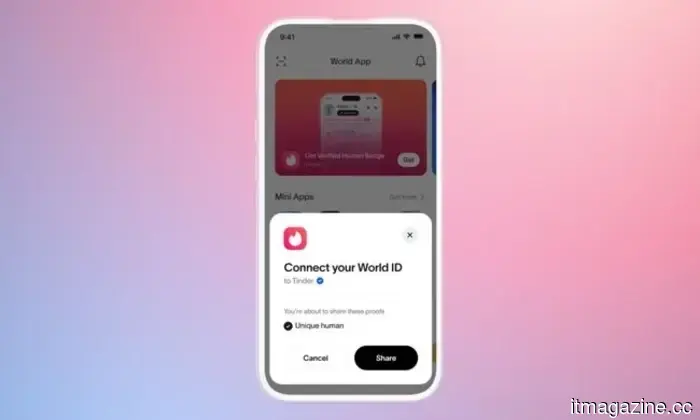
Tinder seeks to verify your humanity by having you look into an orb. Yes, that's correct.
Using an orb to prove you are human is no longer just a concept from science fiction. Online dating is already fraught with trust issues, and now Tinder is looking to add an eyeball scan to the mix. The popular dating app has announced a global collaboration with World, the biometric identity company founded by OpenAI's Sam Altman. Soon, users will have the option to confirm they are real humans on Tinder by getting their eyes scanned by a physical orb device.
What is World ID and how is Tinder's human verification process structured?
A recent study led by researchers from the University of Bristol has revealed that individuals trying to curb food cravings might be using social media content showcasing indulgent meals as a way to satisfy those cravings without actually eating. This challenges the long-standing belief that seeing tempting food images leads to overeating.
The research, conducted alongside the University at Buffalo School of Management, investigated how visual interaction with food content affects eating behavior. Through three experiments involving 840 participants aged 19 to 77, researchers combined online surveys with a controlled laboratory study to analyze responses to food-related media.
Artificial intelligence is progressively entering new aspects of daily life, with dating potentially being the next frontier. A new generation of AI "agents" is being developed to replicate personalities, interact with others, and assist users in finding potential romantic partners — all without requiring users to undertake the initial effort themselves.
According to a report by WIRED, researchers and developers are creating systems that produce personalized AI agents, or "digital twins," intended to represent individuals in virtual contexts. These agents can communicate with others, engage in conversations, and evaluate compatibility on a scale unattainable by humans alone.





Other articles
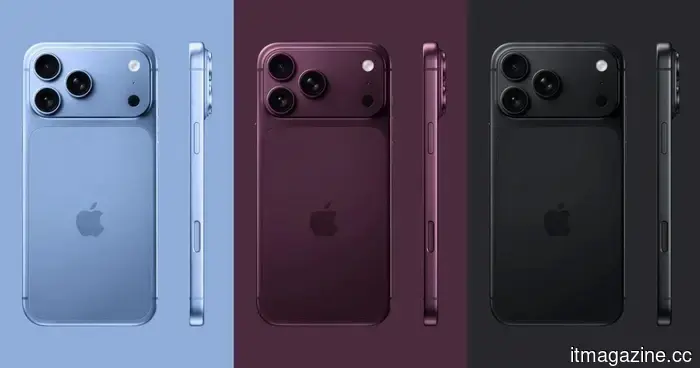 Leaks regarding the iPhone 18 Pro's colors indicate four new finish options.
Rumors indicate that the iPhone 18 Pro will come in four color choices, featuring a new Dark Cherry variant.
Leaks regarding the iPhone 18 Pro's colors indicate four new finish options.
Rumors indicate that the iPhone 18 Pro will come in four color choices, featuring a new Dark Cherry variant.
 Amazon invests up to an additional $25 billion in Anthropic.
Amazon is set to invest an additional $25 billion in Anthropic, which has committed to spending $100 billion on AWS cloud services over the next decade, reflecting a similar agreement Amazon made with OpenAI two months earlier.
Amazon invests up to an additional $25 billion in Anthropic.
Amazon is set to invest an additional $25 billion in Anthropic, which has committed to spending $100 billion on AWS cloud services over the next decade, reflecting a similar agreement Amazon made with OpenAI two months earlier.
 The Mercedes-Benz C-Class adopts a sporty electric version and is set to arrive in the US next year.
The Mercedes-Benz C-Class has consistently maintained a perfect balance, yet this sporty electric version elevates it to a new level.
The Mercedes-Benz C-Class adopts a sporty electric version and is set to arrive in the US next year.
The Mercedes-Benz C-Class has consistently maintained a perfect balance, yet this sporty electric version elevates it to a new level.
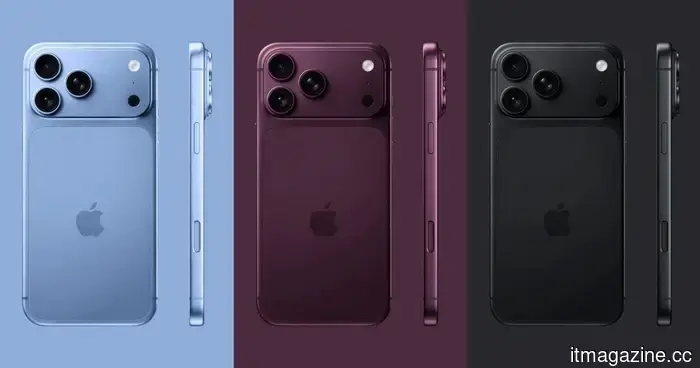 Leaks regarding the iPhone 18 Pro colors have disclosed four new finish options.
Leaks indicate that the iPhone 18 Pro will come in four color choices, featuring a new Dark Cherry option.
Leaks regarding the iPhone 18 Pro colors have disclosed four new finish options.
Leaks indicate that the iPhone 18 Pro will come in four color choices, featuring a new Dark Cherry option.
 FTC resolves OkCupid data controversy without imposing a fine.
Clarifai removed 3 million photos of OkCupid users and facial-recognition models following a settlement with the FTC, but critics argue that the penalty-free agreement did not go far enough.
FTC resolves OkCupid data controversy without imposing a fine.
Clarifai removed 3 million photos of OkCupid users and facial-recognition models following a settlement with the FTC, but critics argue that the penalty-free agreement did not go far enough.
 Meta is looking to charge users for WhatsApp, and it's currently exploring this possibility.
Meta might start charging for WhatsApp Plus in the near future, although interest in premium features remains uncertain.
Meta is looking to charge users for WhatsApp, and it's currently exploring this possibility.
Meta might start charging for WhatsApp Plus in the near future, although interest in premium features remains uncertain.
Meta is looking to charge users for WhatsApp, and it is currently exploring this option.
Meta might soon impose a fee for WhatsApp Plus, although the demand for premium features remains uncertain.