

Amazon is purchasing Globalstar, the firm that enables the satellite functionalities on your iPhone.
Digital Trends may receive a commission when purchases are made through links on our site. Why trust us?
By merging Globalstar's infrastructure and collaborating with Apple, Amazon is extending its reach from home internet directly to mobile devices.
Amazon has announced its acquisition of Globalstar and intends to integrate the satellite operator’s low Earth orbit (LEO) satellites and spectrum into the Amazon Leo network. This acquisition aims to hasten the rollout of direct-to-device (D2D) capabilities, enabling standard smartphones to facilitate calling, texting, and data services via satellite. Amazon has already attracted significant clients for its satellite broadband service, and this agreement will help it navigate various infrastructure challenges.
The agreement with Apple and the roadmap to 2028
A crucial aspect of the deal is a new collaboration between Amazon and Apple. Amazon Leo will now provide satellite services for the iPhone and Apple Watch, including Emergency SOS, Messages, and Find My. Globalstar currently partners with Apple, and this collaboration guarantees that Apple users will transition to Amazon’s expanded network as it evolves. The completion of Amazon's acquisition of Globalstar is anticipated in 2027, subject to regulatory approval.
@amazon is acquiring @Globalstar to integrate their low Earth orbit satellites into our constellation. This combination will rapidly accelerate our plans to add direct-to-device capabilities into our satellite network to support calling, texting, data, and more. pic.twitter.com/qX7tbwyZw7— Panos Panay (@panos_panay) April 14, 2026
Additionally, Amazon aims to launch its next-generation D2D satellite system starting in 2028. This system is designed for higher spectrum efficiency, promising faster speeds and enhanced performance compared to existing satellite-to-cell offerings.
The significance of this development
The competition between Amazon and SpaceX has evolved beyond merely providing the fastest home Wi-Fi. This development is now about who can create the most extensive connectivity ecosystem. Amazon has already positioned itself against Starlink in the aviation sector, and this merger is anticipated to extend its influence to all handheld devices worldwide.
By incorporating Globalstar with its infrastructure, Amazon is shaping the foundation of global communication. For average users, this means that satellite connectivity is set to become a standard feature in mobile devices, potentially eliminating network "dead zones" for good.
Pranob is an experienced tech journalist with over eight years of covering consumer technology.
Apple glasses will not rely on brands like Meta did with Ray-Ban and Oakley
In the realm of smart glasses, Apple appears to be taking a unique approach. While others have collaborated with well-known eyewear brands to enhance the aesthetic appeal of their technology, Apple seems inclined to keep everything in-house. Competing companies have chosen to partner with established eyewear brands, which is understandable; when adding a camera to eyewear, it makes sense for the product to appear stylish. However, Apple seems uninterested in this strategy. Rather than collaborating with brands such as Ray-Ban or Oakley, the company is reportedly working to establish its own distinct identity. This is a bold move, characteristic of Apple. The same company that transformed wireless earbuds into a fashion statement and made smartwatches feel like personal accessories believes it can succeed with eyewear independently.
From grand AR aspirations to a more practical vision
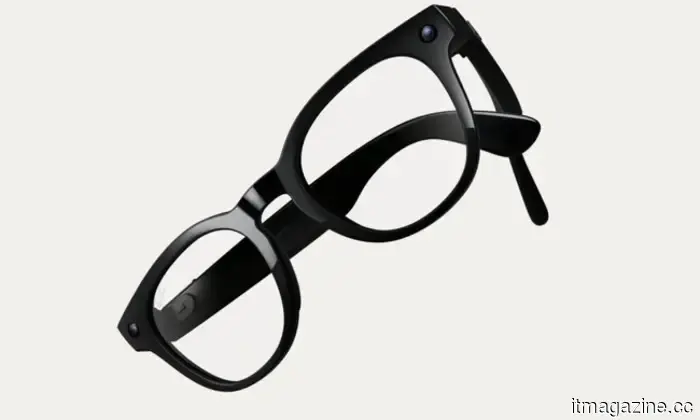
Apple's AI glasses will explore a variety of designs and colors
Apple is finally venturing into the smart glasses market. For this initiative, the company is posing an essential question: Would you actually wear these outside? This consideration is crucial, as it is where many smart glasses have historically struggled. Instead of committing to a single, conventional design, Apple is reportedly investigating multiple frame styles for its first pair of AI glasses, featuring significantly different silhouettes.
There is a bold, chunky rectangular option reminiscent of classic sunglasses, alongside a slimmer, more understated rectangular design that conveys an executive vibe. Additionally, Apple is experimenting with rounded frames, both oversized and refined, aiming to appeal to a wide range of style preferences. In summary, Apple is crafting a small collection, which is a wise decision given that what looks good on one person may not suit another.
Amazon Leo satellite internet is approaching launch, with significant customers set to compete with Starlink
Amazon has stated that its long-delayed satellite internet service is nearing its launch date. In a recent letter to shareholders, CEO Andy Jassy mentioned that the company is "on the brink" of launching Leo, Amazon's low Earth orbit satellite internet service, and expects it to go live in mid-2026. This timeline brings Amazon much closer to directly competing with SpaceX's Starlink, although it arrives years later than its main rival.



Other articles
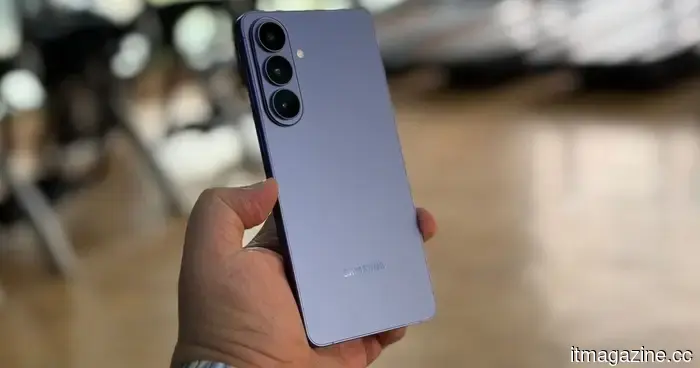 Samsung S26 Plus Review: Repeatedly Unexciting
The middle child is no longer. For many years, Samsung has adhered to its sacred trinity structure for the Galaxy S series: the standard, the Plus, and the high-end Ultra (previously referred to as “we eliminated the Note but preserved its essence”). During this evolution, the Plus model has subtly lost its unique character. Quick Take […]
Samsung S26 Plus Review: Repeatedly Unexciting
The middle child is no longer. For many years, Samsung has adhered to its sacred trinity structure for the Galaxy S series: the standard, the Plus, and the high-end Ultra (previously referred to as “we eliminated the Note but preserved its essence”). During this evolution, the Plus model has subtly lost its unique character. Quick Take […]
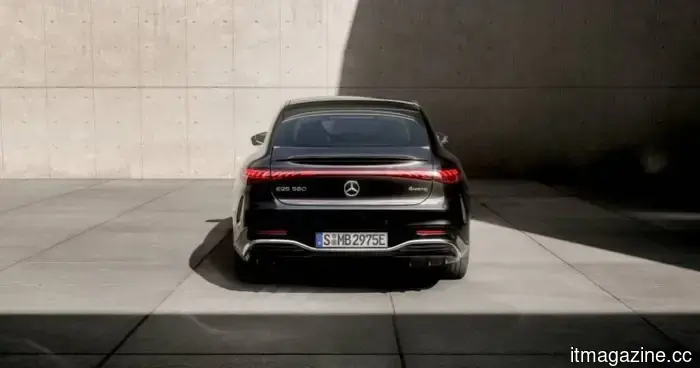 The Mercedes-Benz EQS has been updated, featuring a significant improvement in both range and charging technology.
I would certainly like one!
The Mercedes-Benz EQS has been updated, featuring a significant improvement in both range and charging technology.
I would certainly like one!
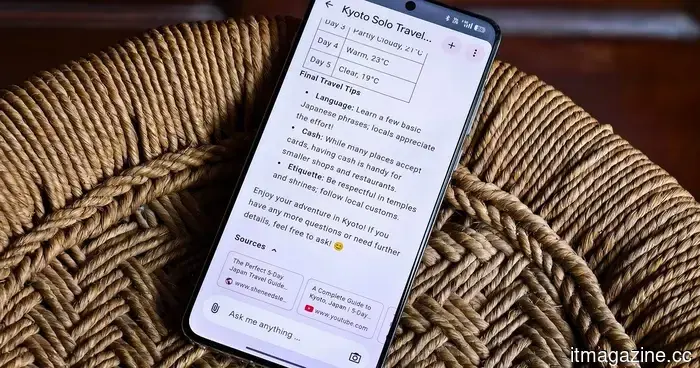 Studies indicate that AI chatbots evaluate users, and the outcomes are not always positive.
Is your AI assistant subtly undermining you? Recent studies indicate that chatbots evaluate users through strict, mechanical reasoning, and the biases they uncover are more pronounced than our own.
Studies indicate that AI chatbots evaluate users, and the outcomes are not always positive.
Is your AI assistant subtly undermining you? Recent studies indicate that chatbots evaluate users through strict, mechanical reasoning, and the biases they uncover are more pronounced than our own.
 This Android smartwatch application is a blessing if your daily commute leaves you feeling exhausted and drowsy.
Sleep&Arrive is an innovative Wear OS transit alarm that activates based on your location rather than a set time, offering drowsy travelers a more intelligent method to prevent missing their stops, minimize alerts, and depend less on fluctuating arrival predictions.
This Android smartwatch application is a blessing if your daily commute leaves you feeling exhausted and drowsy.
Sleep&Arrive is an innovative Wear OS transit alarm that activates based on your location rather than a set time, offering drowsy travelers a more intelligent method to prevent missing their stops, minimize alerts, and depend less on fluctuating arrival predictions.
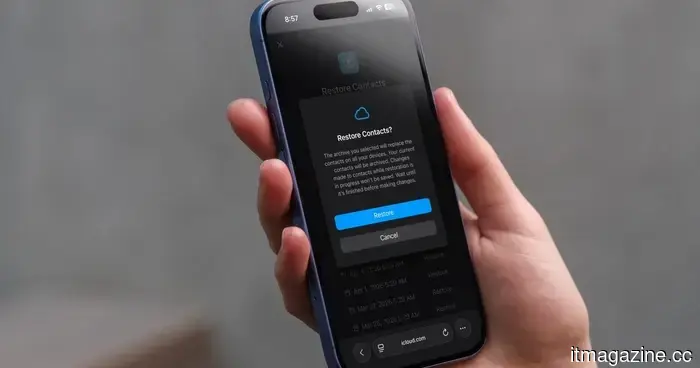 How to recover deleted or lost contacts on your iPhone
Misplacing a contact saved on your iPhone can be a stressful situation, but you can quickly retrieve your lost contacts by using iCloud. We’ll guide you through the process.
How to recover deleted or lost contacts on your iPhone
Misplacing a contact saved on your iPhone can be a stressful situation, but you can quickly retrieve your lost contacts by using iCloud. We’ll guide you through the process.
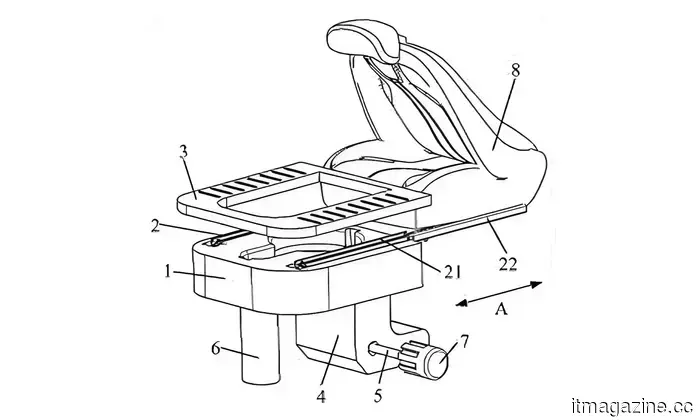 A Chinese car manufacturer has recently submitted a patent for vehicle seats that include a concealed toilet.
Seres has secured a patent for a pull-out toilet concealed beneath the car seat. It's innovative, it's practical, and it could very well be the most surprising automotive feature of the year.
A Chinese car manufacturer has recently submitted a patent for vehicle seats that include a concealed toilet.
Seres has secured a patent for a pull-out toilet concealed beneath the car seat. It's innovative, it's practical, and it could very well be the most surprising automotive feature of the year.
Amazon is purchasing Globalstar, the firm that enables the satellite functionalities on your iPhone.
Amazon is acquiring the company responsible for the satellite functionalities of your iPhone. This purchase positions Amazon at the heart of Apple's satellite capabilities and paves the way for a future where "no service" becomes obsolete.