
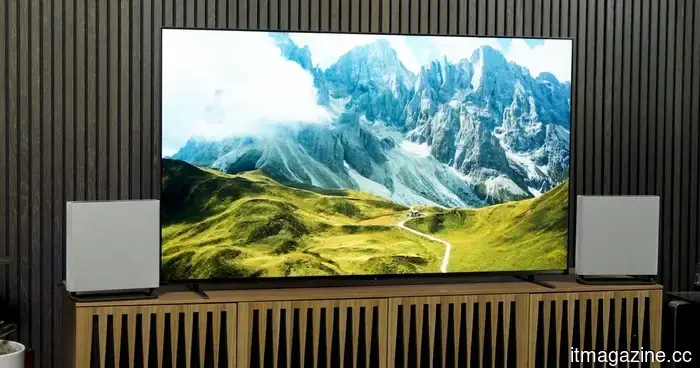
Sony has recently transferred control of its television division to TCL — here's what it truly signifies for you.
Sony’s television division is undergoing a significant structural transformation, but if you're contemplating a purchase of a Sony TV at this moment, not much is set to change.
The company has established a new entity, Bravia, Inc., responsible for its TV and home theater operations. TCL has a 51% stake in this new entity, while Sony retains 49%, granting TCL operational authority over manufacturing, supply chain, and logistics.
This is indeed an important development, but its impact varies depending on the aspect of the business in question.
Sony remains involved in what characterizes its TVs
Despite TCL taking on operational management, Sony will continue to oversee the critical areas that influence the performance of its televisions.
This includes image processing, picture tuning, and audio technologies, which are essential to Sony’s reputation in the television market. Branding will also stay consistent, ensuring that Sony and Bravia TVs will continue to resemble Sony products for the foreseeable future.
If you're purchasing a Sony OLED or Mini-LED TV today, this restructuring won't immediately alter your experience. The core elements that define Sony's quality are still managed in-house.
The changes primarily occur behind the scenes
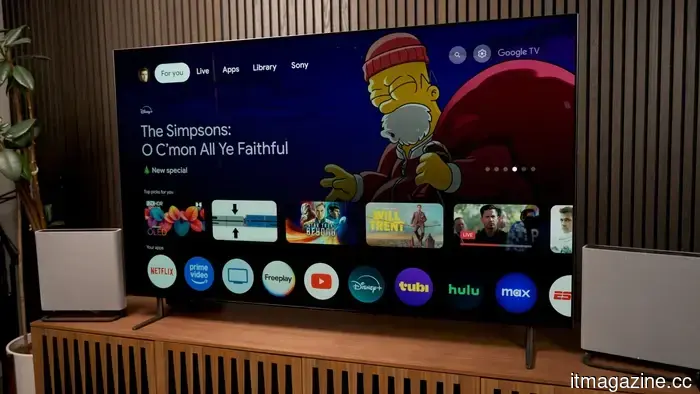
Zeke Jones / Digital Trends
The most significant shift pertains to the manufacturing process of Sony TVs, rather than their appearance or current performance.
Historically, Sony had more control over manufacturing processes. Moving forward, this responsibility will transition to TCL, which will take charge of production, logistics, and overall operations. Sony will concentrate more on design, software, and tuning.
In straightforward terms, future Sony televisions will be designed by Sony but produced by TCL. While this distinction may not have immediate implications, it could influence the evolution of these TVs over time.
Rationale for this partnership benefiting both companies
Sony has long marketed its televisions as premium products, but the manufacturing costs have also been high.
Conversely, TCL is among the leading TV manufacturers worldwide and is recognized for producing high-performance televisions at scale. This collaboration allows Sony to tap into that manufacturing efficiency, improving supply chain strength and possibly reducing costs.
From a business viewpoint, this is a sensible move. From a consumer perspective, it might affect the pricing and positioning of Sony TVs in the future.
Potential benefits for consumers
There are several potential advantages if this partnership proves effective.
Sony TVs may become more competitive in the mid-range market, an area where pricing has often been problematic. Enhanced manufacturing capabilities could also lead to better availability, particularly for sought-after models that have previously been hard to find.
There’s also the promise of improved Mini-LED TVs. With TCL's extensive experience in this area, it could influence how Sony develops its own product range moving forward.
While nothing is guaranteed, the possibilities are there.
Concerns regarding long-term identity
The more significant questions aren’t about next year; they’re about the long-term implications.
Sony has established its reputation on consistency, color accuracy, and sophisticated picture tuning. With TCL managing manufacturing, the concern is whether these standards will continue to be closely maintained.
There’s also a broader issue regarding brand identity. Traditionally, Sony TVs have conveyed a premium feel, whereas TCL emphasizes performance and value. If these approaches start to merge excessively, it could alter Sony’s market positioning.
This won't change overnight, but it’s something to keep an eye on.
What about OLED?
One of the key uncertainties is how this will impact Sony's strategy regarding OLED.
Sony does not produce its own OLED panels, sourcing them from manufacturers such as LG Display and Samsung Display, while TCL has placed a greater emphasis on Mini-LED technology.
This creates potential friction. In an ideal scenario, nothing will change and Sony will continue to promote both OLED and Mini-LED. Conversely, in a less favorable scenario, OLED may become less prioritized over time.
Currently, there are no clear indications on this front, but it's an important area to monitor.
When will these changes be noticeable?
Not anytime soon.
Bravia, Inc. is expected to begin operations around 2027, meaning consumers in 2026 won’t notice any significant differences. Even in 2027, changes will likely be gradual, with more noticeable variations anticipated closer to 2028 and beyond.
So, should you be worried?
If you’re considering a Sony TV right now, there’s no immediate reason for concern. The current product lineup remains the same, and the elements that determine Sony’s picture quality continue to be managed by Sony. In the short term, this agreement does not detrimentally affect what you're buying.
In the long run, it’s a situation to monitor. If Sony retains control over its processing, tuning, and quality standards, this could enhance its TVs' competitiveness, particularly in terms of pricing and availability. However, if that balance shifts too dramatically, Sony TVs’ identity may change.
For the time being, nothing about this arrangement should deter you from contemplating a Sony TV.
Other articles
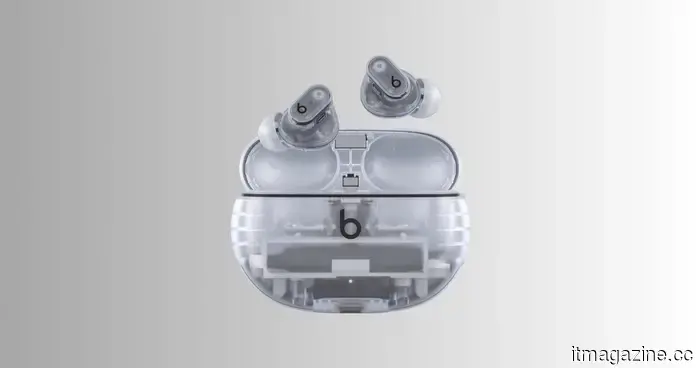 The Beats Studio Buds+ are now available for $99, and I would suggest them as the go-to wireless earbuds for both iPhone and Android users.
The Beats Studio Buds+ are now available for $99.95, offering a $70 discount from their original price of $169.95. This price includes true wireless noise cancellation, spatial audio, and sweat resistance, making them much more affordable than many rival earbuds with similar features. They cater well to users of both iPhone and Android devices.
The Beats Studio Buds+ are now available for $99, and I would suggest them as the go-to wireless earbuds for both iPhone and Android users.
The Beats Studio Buds+ are now available for $99.95, offering a $70 discount from their original price of $169.95. This price includes true wireless noise cancellation, spatial audio, and sweat resistance, making them much more affordable than many rival earbuds with similar features. They cater well to users of both iPhone and Android devices.
.jpg) Three overlooked movies on Amazon Prime Video that you should check out this weekend (April 10-12).
If you're searching for something truly worthwhile to watch this weekend, we have a subtly unsettling psychological horror, a hard-hitting crime drama, and a nostalgic sci-fi mystery that merit a spot on your watchlist.
Three overlooked movies on Amazon Prime Video that you should check out this weekend (April 10-12).
If you're searching for something truly worthwhile to watch this weekend, we have a subtly unsettling psychological horror, a hard-hitting crime drama, and a nostalgic sci-fi mystery that merit a spot on your watchlist.
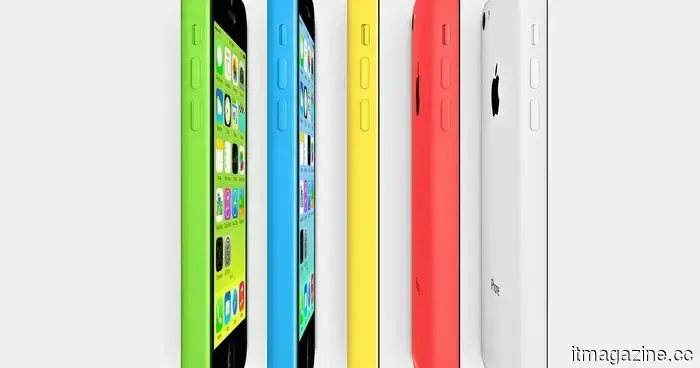 The iPhone 5C is experiencing a resurgence, driven by nostalgia among Gen-Z.
Gen Z is playing a role in bringing the iPhone 5C back into the spotlight on social media, transforming Apple's previously overlooked plastic phone into a beloved piece of retro technology.
The iPhone 5C is experiencing a resurgence, driven by nostalgia among Gen-Z.
Gen Z is playing a role in bringing the iPhone 5C back into the spotlight on social media, transforming Apple's previously overlooked plastic phone into a beloved piece of retro technology.
 Amazon's Leo satellite internet is set to launch soon and has already secured significant clients to compete with Starlink.
Amazon CEO Andy Jassy announced that the highly anticipated Leo satellite internet service is scheduled to launch in mid-2026, with contracts already established with enterprise and government clients.
Amazon's Leo satellite internet is set to launch soon and has already secured significant clients to compete with Starlink.
Amazon CEO Andy Jassy announced that the highly anticipated Leo satellite internet service is scheduled to launch in mid-2026, with contracts already established with enterprise and government clients.
Sony has recently transferred control of its television division to TCL — here's what it truly signifies for you.
Sony has transferred the operational management of its television division to TCL, but this does not imply that Sony TVs will be discontinued. Here’s an overview of what is changing, what will remain the same, and how it may affect consumers in the upcoming years.