
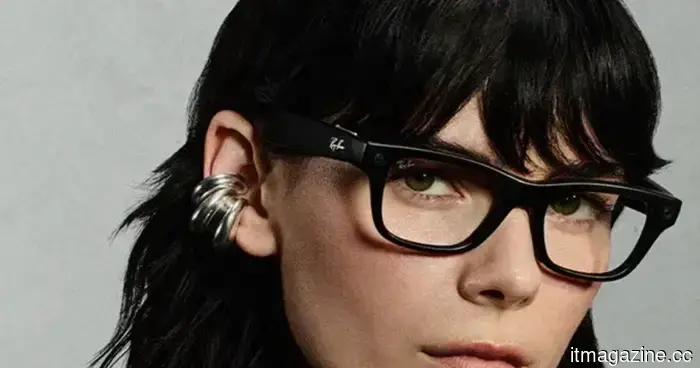
Apple's smart glasses could steer clear of the unsettling image associated with Meta Ray-Bans by utilizing a clever lighting technique.
Apple's forthcoming smart glasses might navigate one of the major challenges within this category—privacy issues—by reimagining something as straightforward as the camera indicator light. A recent Bloomberg report indicates that the company is developing display-free smart glasses centered on everyday functionality, designed to feel less intrusive compared to existing models.
Internally referred to as N50, the device is anticipated to launch around 2026 or 2027, operating more as a companion to the iPhone rather than an independent augmented reality system. Instead of featuring a display, the glasses will utilize functions such as photo and video capture, voice commands through Siri, notifications, and media playback.
A Subtle Hardware Change With Major Consequences
What distinguishes Apple's methodology is its strategy for indicating recording status. Unlike current smart glasses, which employ small LED indicators, Apple is said to be testing a more visible lighting system incorporated directly into the camera module.
The design comprises vertically aligned lenses surrounded by noticeable lighting elements, making it more difficult to conceal when recording is taking place.
This could potentially alleviate a significant concern that has trailered smart glasses since their introduction: the anxiety of being recorded without consent.
The Privacy Challenge Others Are Still Confronting
This issue is not merely hypothetical. A WIRED report reveals that users of Meta’s Ray-Ban smart glasses have sought ways to circumvent privacy protections. Third-party sellers have even advertised products like “ghost dots” intended to dim or obscure the recording indicator light.
These efforts, although frequently ineffective due to built-in security measures, highlight a larger issue. When users actively seek to conceal recording signals, it undermines the trust necessary for widespread acceptance.
Even unsuccessful attempts at workaround methods contribute to the notion that smart glasses can be misused, bolstering a “creepy” image that has limited their popularity.
Apple’s Approach: Building Trust Through Design
Instead of solely depending on software limitations, Apple seems to be tackling the problem at the hardware level.
By enhancing the visibility of the recording indicator and integrating it into the design, the company is striving to eliminate ambiguity. Achieving this could significantly complicate the use of the glasses in a manner perceived as covert or dishonest.
This strategy aligns with Apple’s overall philosophy for entering new product markets. As demonstrated with products like the iPhone and Apple Watch, the company typically adopts a later entry but emphasizes improving user experience and resolving critical issues.
Part Of A Broader AI Wearables Initiative
The smart glasses are part of a larger initiative, as noted by Bloomberg, which includes AI-driven AirPods and other wearable devices designed to analyze the user’s environment.
These products will depend on computer vision and Apple Intelligence to deliver contextual insights, ranging from navigation help to real-time reminders.
This indicates that Apple’s objective is not only to create smart glasses but also to establish an ecosystem of devices that makes AI more pervasive and seamlessly integrated into daily routines.
What This Means For Consumers
For users, the acceptance of smart glasses will rely equally on perception as on functionality.
If Apple succeeds in making its glasses feel trustworthy and transparent, it could overcome one of the primary hurdles to widespread use. Additionally, strong integration with the iPhone and Apple’s ecosystem could enhance the device's practicality in everyday life.
What Lies Ahead
Apple’s smart glasses remain in development, with a launch anticipated no sooner than 2026 or 2027. Fully equipped augmented reality glasses are projected to be even further away, likely towards the end of the decade.
In the meantime, Apple seems focused on ensuring that the fundamentals—functionality, usability, and most importantly, trust—are firmly established.
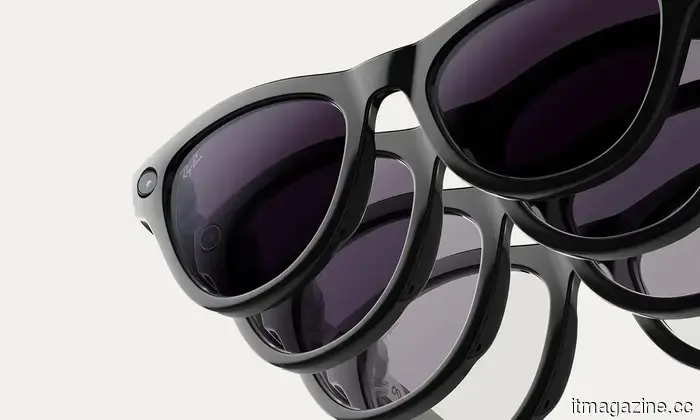
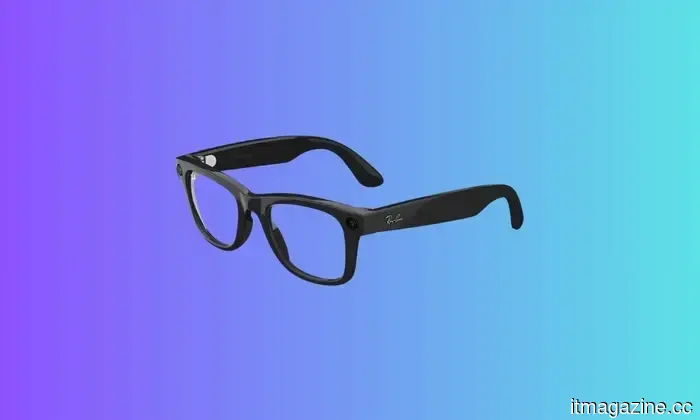

Apple's smart glasses could steer clear of the unsettling image associated with Meta Ray-Bans by utilizing a clever lighting technique.
Apple could address privacy issues related to smart glasses by implementing a more noticeable recording indicator, with the goal of enhancing user trust.