
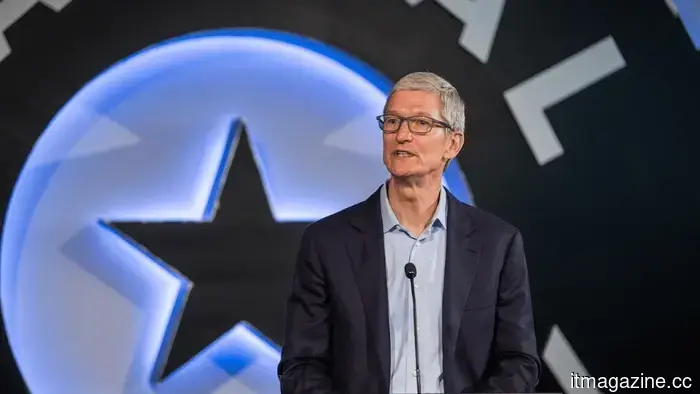
Apple is examining four frame designs for its AI smart glasses in preparation for a launch scheduled in 2027.
In summary, Apple is evaluating at least four frame designs for its forthcoming AI-enhanced smart glasses, as reported by Mark Gurman in Bloomberg on April 12, 2026. The styles consist of a large rectangular frame akin to Wayfarer, a slimmer rectangular option similar to those used by CEO Tim Cook, a larger oval or circular frame, and a smaller oval variant. The frames are constructed from acetate instead of standard plastic. The device incorporates the N401 chip, a custom processor based on the Apple Watch S-series architecture, and includes two cameras: one for capturing photos and videos, and another for computer vision. The initial version lacks a display. Production is slated to begin in December 2026, with a public release anticipated in the spring or summer of 2027.
The four frame designs encompass various aesthetic styles. The large rectangular choice is reminiscent of classic Wayfarer frames, known for their wide consumer appeal and mainstream usability. The slimmer rectangular style resembles those worn by Tim Cook, indicating that one of the prototypes is specifically designed for a more professional setting. The two oval options range from a larger, more pronounced shape to a more subtle, smaller design. The variety in options suggests that Apple is still exploring which visual style will resonate most with potential users, similar to how they approached initial watch designs before settling on a single style.
The materials used are acetate, which Gurman describes as more durable and premium compared to standard plastic, setting the glasses apart from Meta's existing Ray-Ban offerings and positioning them above budget-friendly options. Confirmed colors during the testing phase include black, ocean blue, and light brown, with additional colors expected when the final product is announced. The front camera module is designed in a vertically oriented oval shape surrounded by indicator lights, differentiating it from the horizontal lens layout of Meta’s Ray-Ban models and helping to identify the device as an Apple product from a distance. Apple is aiming for a weight under 50 grams and all-day battery life. While secondary reports mention a price of around $499, Gurman did not verify this figure in his April 12 article.
Regarding hardware and intelligence, the N401 chip is a low-power custom processor derived from the Apple Watch S-series design, tailored for on-device processing within the thermal and battery limits suitable for glasses. The device will feature two cameras: one for photos and videos, and the other dedicated to computer vision, enabling Siri and Apple Intelligence to access real-time environmental context without needing to unlock or lift the phone. Integrated microphones and spatial sensors are also included. The first generation will not have a display, meaning all information will be relayed to the user through audio via speakers or the iPhone's screen, with more complex processing offloaded to the iPhone when necessary.
Siri will serve as the main interface, managing notifications, music playback, phone calls, live translations, and inquiries about the user's surroundings. The version of Siri for these glasses will utilize the updated assistant unveiled by Apple in January 2026, partially powered by a custom Gemini model developed through Apple's collaboration with Google. This system has been in the works for some time, having been prematurely launched in China on March 30, 2026, indicating that the software was ready while highlighting the compliance challenges Apple faces in markets outside the U.S.
Apple is entering a smart glasses market that has seen commercial validation from Meta over the last two years. Meta sold over seven million AI-integrated Ray-Ban and Oakley frames in 2025, a significant increase from 2024, in a product category that hardly existed three years prior. The latest iteration of Meta's strategy introduced prescription Ray-Ban smart glasses, targeting the vast segment of eyewear buyers requiring corrective lenses that typical smart glasses do not cater to. In March 2026, Apple released an updated MacBook Air with the M5 chip, continuing its pattern of incremental but significant updates across its product range while the smart glasses project has progressed from research to active development.
Google is also gearing up to enter this market in 2026 through its Android XR platform, in collaboration with Warby Parker and Gentle Monster, aiming to release both audio-only and display-integrated variants prior to Apple's launch. Apple's anticipated entrance in 2027 means it will arrive after Meta has demonstrated commercial success and after Google's first products have launched, a scenario Apple has previously navigated: they entered the smartphone market after BlackBerry and the wearables space post-Fitbit, ultimately producing products that redefined user expectations within those categories. The extensive existing iPhone user base, estimated at over one billion active devices, grants Apple's glasses a distribution advantage that neither Meta nor Google can replicate from scratch.
A wider strategy encompasses the four frame designs and technical specifications, which are part of a multi-faceted AI wearable initiative reported by Gurman in February 2026. Besides the smart glasses, Apple is developing a small camera-equipped AI pendant, designed to attach to clothing
Other articles
 The MacBook Neo is taking on the role of a Windows gaming device, and it’s performing admirably.
Apple's MacBook Neo, an affordable laptop equipped with a mobile A18 Pro chip and only 8GB of RAM, has successfully completed a Windows 11 gaming test using Parallels Desktop, achieving playable frame rates in multiple games.
The MacBook Neo is taking on the role of a Windows gaming device, and it’s performing admirably.
Apple's MacBook Neo, an affordable laptop equipped with a mobile A18 Pro chip and only 8GB of RAM, has successfully completed a Windows 11 gaming test using Parallels Desktop, achieving playable frame rates in multiple games.
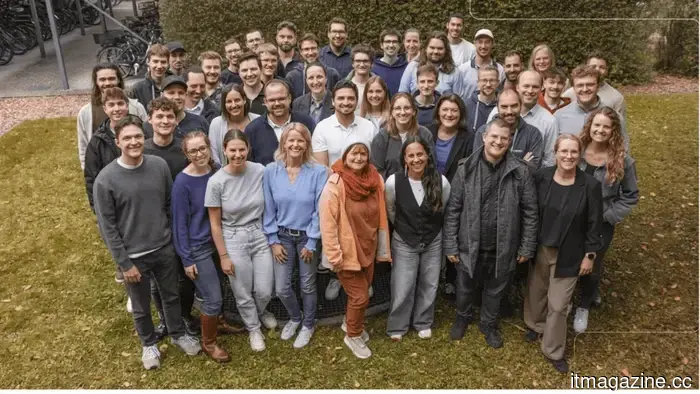 Nesto secures €11 million from Expedition to expand its AI workforce management for restaurant chains.
Nesto Software GmbH has secured €11 million from Expedition Growth Capital to expand its AI-driven scheduling and NORA agent platform for restaurant chains.
Nesto secures €11 million from Expedition to expand its AI workforce management for restaurant chains.
Nesto Software GmbH has secured €11 million from Expedition Growth Capital to expand its AI-driven scheduling and NORA agent platform for restaurant chains.
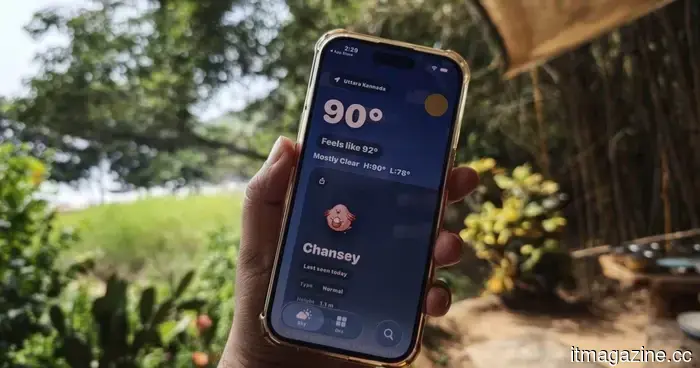 I experimented with a weather app inspired by Pokémon, and now checking the weather feels similar to a Pokédex search.
SkyDex brings back a sense of fun to weather apps, although its cluttered free version still requires improvement.
I experimented with a weather app inspired by Pokémon, and now checking the weather feels similar to a Pokédex search.
SkyDex brings back a sense of fun to weather apps, although its cluttered free version still requires improvement.
 ElevenLabs' VP cautions sales applicants: 20 times the quota, extended working hours, or leave.
Carles Reina, the head of sales at ElevenLabs, cautions job applicants about the demanding 20x salary quotas and extensive work hours at the $11B voice AI startup, as stated in remarks during the 20VC podcast.
ElevenLabs' VP cautions sales applicants: 20 times the quota, extended working hours, or leave.
Carles Reina, the head of sales at ElevenLabs, cautions job applicants about the demanding 20x salary quotas and extensive work hours at the $11B voice AI startup, as stated in remarks during the 20VC podcast.
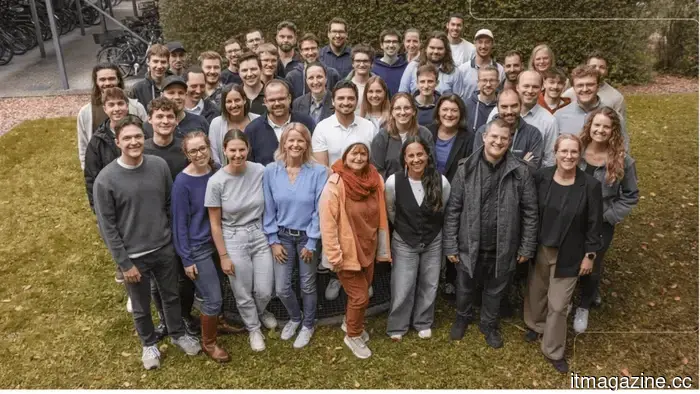 Nesto secures €11 million from Expedition to expand its AI workforce management solutions for restaurant chains.
Nesto Software GmbH has secured €11 million from Expedition Growth Capital to expand its AI-driven scheduling and NORA agent platform for restaurant chains.
Nesto secures €11 million from Expedition to expand its AI workforce management solutions for restaurant chains.
Nesto Software GmbH has secured €11 million from Expedition Growth Capital to expand its AI-driven scheduling and NORA agent platform for restaurant chains.
 ElevenLabs VP cautions potential sales recruits: 20 times the quota, extended hours, or leave.
Carles Reina, the head of sales at ElevenLabs, cautions job applicants about the 20x salary quotas and extensive working hours at the $11 billion voice AI company, as stated during his appearance on the 20VC podcast.
ElevenLabs VP cautions potential sales recruits: 20 times the quota, extended hours, or leave.
Carles Reina, the head of sales at ElevenLabs, cautions job applicants about the 20x salary quotas and extensive working hours at the $11 billion voice AI company, as stated during his appearance on the 20VC podcast.
Apple is examining four frame designs for its AI smart glasses in preparation for a launch scheduled in 2027.
Apple is experimenting with four acetate frame designs for AI smart glasses equipped with an N401 chip, two cameras, and lacking a display, aiming for production by December 2026.