
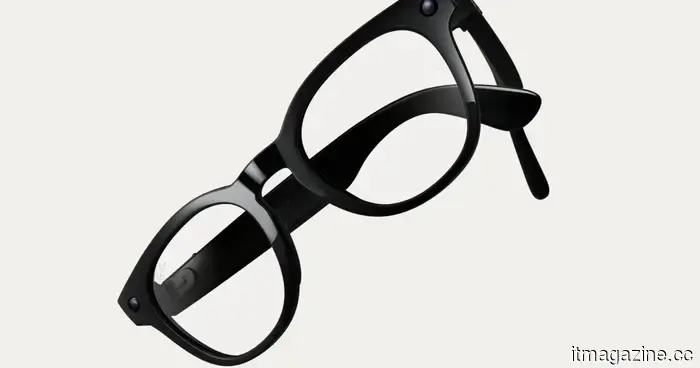
Apple's glasses will not engage in brand partnerships like Meta did with Ray-Ban and Oakley.
**Meta**
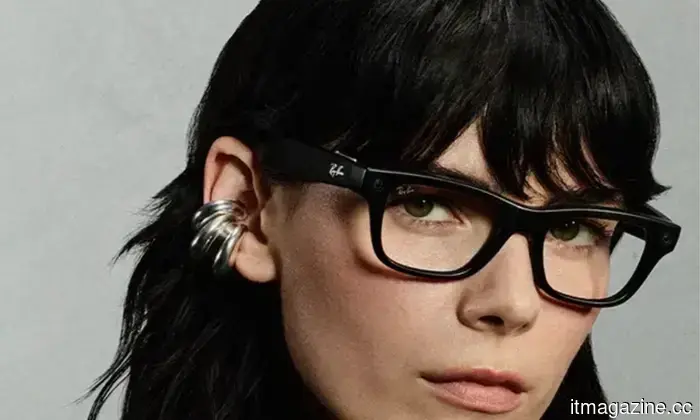
When it comes to smart glasses, Apple is clearly taking an unconventional path. While other companies have teamed up with well-known eyewear brands to enhance the style of their technology, Apple seems set to follow its own strategy: keeping everything in-house. Competitors have been wise to collaborate with established glasses manufacturers, which makes sense—if you're adding a camera to someone's face, it should resemble something they would typically wear. However, Apple appears uninterested in this strategy. Instead of aligning with brands like Ray-Ban or Oakley, the company is reportedly crafting its own unique identity from the ground up. This is a daring approach, but it's quintessentially Apple. After all, this is the same organization that made wireless earbuds a fashion accessory and transformed smartwatches into personal items. If anyone can succeed in eyewear without external assistance, it's Apple.
**From grand AR dreams to something more grounded**
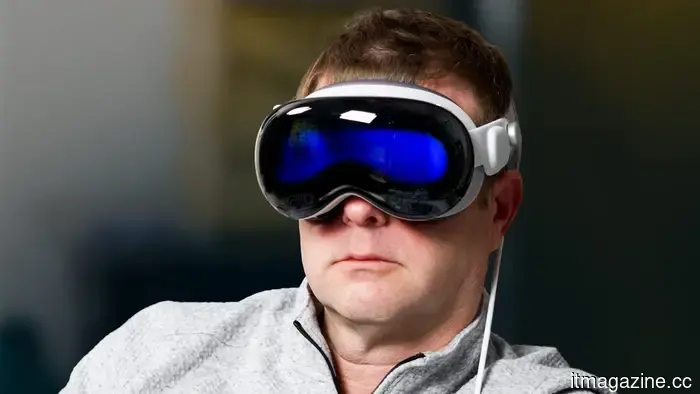
Interestingly, Apple’s current strategy starkly contrasts its initial vision. Years ago, the company had grand aspirations for head-worn technology, juggling various concepts from AR-centric devices to fully immersive headsets. The original vision was ambitious, intricate, and, in retrospect, slightly ahead of its time. Fast forward to today, and the focus has become much more practical. Rather than jumping straight into fully developed augmented reality glasses, Apple is opting for something more straightforward: display-free smart glasses that emphasize everyday usability over visual spectacle. The only product from its initial plans to hit the market is the Apple Vision Pro; everything else has either been revised or deferred.
**Digital Trends**
Apple’s forthcoming glasses aren’t designed to overlay digital images in front of your eyes. They lack a built-in display, which might seem like a drawback, but that's intentional. Instead, the glasses are expected to utilize cameras, audio, and seamless integration with your iPhone to perform tasks. Naturally, none of this is viable without a powerful processing unit behind it. Apple is counting on a significantly enhanced Siri to unify the entire experience. The aim is for the glasses to recognize what you’re looking at, comprehend the context, and deliver pertinent information or actions without you needing to ask much.
**The Apple way, as always**
By avoiding partnerships with traditional eyewear brands, Apple is clearly relying on its own design ethos to propel the product. The goal is for these glasses to be immediately identifiable. This is undoubtedly a risky strategy, but if there’s one thing Apple is not known for, it’s sharing the limelight.
**Meta**
So while Apple’s smart glasses may lack an established fashion label, that might be the entire point. This is not about borrowing prestige; it’s about building it. If Apple succeeds, you won’t be questioning who designed the frames—you’ll already be aware.
**Shimul is a contributor at Digital Trends, with over five years of experience in the tech space.**
**Apple’s AI glasses will experiment with plenty of designs and colors**
Apple is finally entering the smart glasses market. For this, the company is posing a crucial question: Would you actually wear these outside? This is vital, as many smart glasses have historically failed in this regard. Instead of committing to a single, safe design, Apple is reportedly investigating various frame styles for its first pair of AI glasses. And not just minor adjustments; we’re talking about visibly distinct silhouettes.
There’s a bold, chunky rectangular option that leans into classic sunglasses aesthetics. Then, a slimmer, more subtle rectangular design that feels a bit more executive. Additionally, Apple is experimenting with rounded frames, both oversized and more refined, clearly aiming to accommodate a variety of style preferences. In essence, Apple is creating a small collection, which is a wise decision. What suits one face may look completely out of place on another.
**Read more**
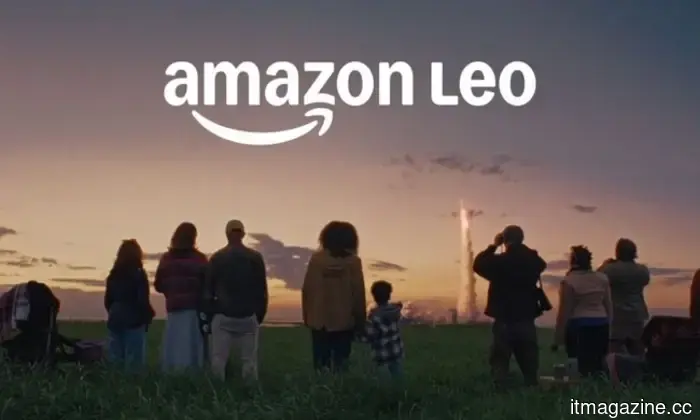
**Amazon Leo satellite internet is nearing launch, and it already has big customers to rival Starlink**
Amazon's long-awaited satellite internet service is finally getting close to launch. In a recent letter to shareholders, Amazon CEO Andy Jassy stated that the company is "on the verge" of launching Leo, Amazon's low Earth orbit satellite internet service, which is anticipated to go live in mid-2026.
This brings Amazon much closer to competing with SpaceX's Starlink, although it is still arriving years later than its biggest competitor.
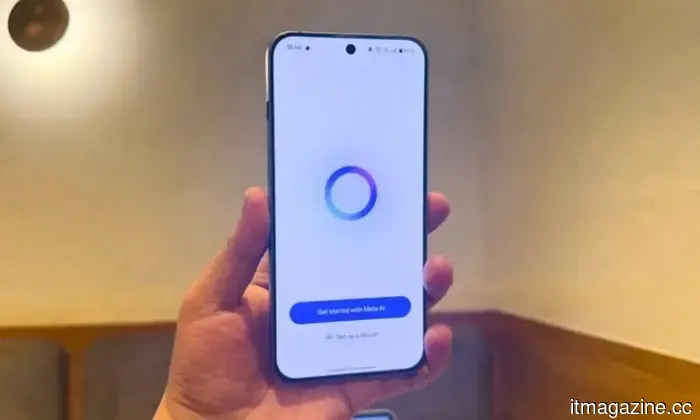
**You don’t want to trust Meta’s new Muse Spark AI with health advice**
**Meta’s Muse Spark is way too eager to play doctor**
Meta's new Muse Spark may be marketed as a more advanced AI model, but based on initial testing, it appears to be the kind of AI you don't want making serious medical decisions. A recent WIRED report discussed encounters with Muse Spark. Meta's health-focused AI model within the Meta AI app did not produce encouraging results. The chatbot reportedly encouraged users to submit raw medical information such as lab reports, glucose monitor readings, and blood pressure logs, then offered to assist in analyzing patterns


Other articles
 ElevenLabs VP cautions potential sales recruits: 20 times the quota, extended hours, or leave.
Carles Reina, the head of sales at ElevenLabs, cautions job applicants about the 20x salary quotas and extensive working hours at the $11 billion voice AI company, as stated during his appearance on the 20VC podcast.
ElevenLabs VP cautions potential sales recruits: 20 times the quota, extended hours, or leave.
Carles Reina, the head of sales at ElevenLabs, cautions job applicants about the 20x salary quotas and extensive working hours at the $11 billion voice AI company, as stated during his appearance on the 20VC podcast.
 Nesto secures €11 million from Expedition to expand its AI workforce management solutions for restaurant chains.
Nesto Software GmbH has secured €11 million from Expedition Growth Capital to expand its AI-driven scheduling and NORA agent platform for restaurant chains.
Nesto secures €11 million from Expedition to expand its AI workforce management solutions for restaurant chains.
Nesto Software GmbH has secured €11 million from Expedition Growth Capital to expand its AI-driven scheduling and NORA agent platform for restaurant chains.
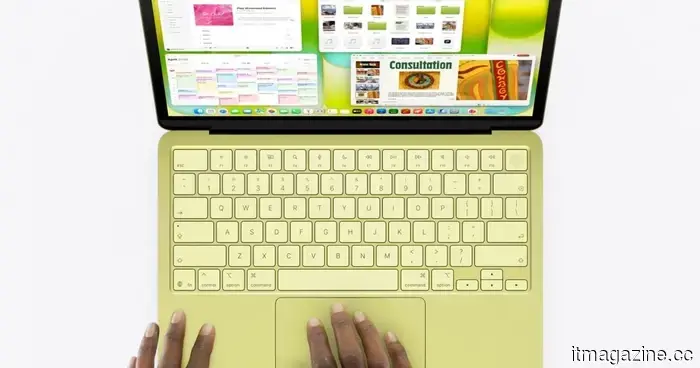 The MacBook Neo is taking on the role of a Windows gaming device, and it’s performing admirably.
Apple's MacBook Neo, an affordable laptop equipped with a mobile A18 Pro chip and only 8GB of RAM, has successfully completed a Windows 11 gaming test using Parallels Desktop, achieving playable frame rates in multiple games.
The MacBook Neo is taking on the role of a Windows gaming device, and it’s performing admirably.
Apple's MacBook Neo, an affordable laptop equipped with a mobile A18 Pro chip and only 8GB of RAM, has successfully completed a Windows 11 gaming test using Parallels Desktop, achieving playable frame rates in multiple games.
 Apple is examining four frame designs for its AI smart glasses in preparation for a launch scheduled in 2027.
Apple is experimenting with four acetate frame designs for AI smart glasses equipped with an N401 chip, two cameras, and lacking a display, aiming for production by December 2026.
Apple is examining four frame designs for its AI smart glasses in preparation for a launch scheduled in 2027.
Apple is experimenting with four acetate frame designs for AI smart glasses equipped with an N401 chip, two cameras, and lacking a display, aiming for production by December 2026.
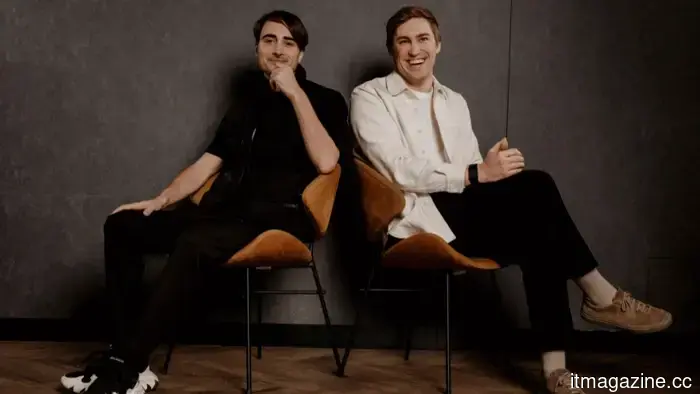 ElevenLabs' VP cautions sales applicants: 20 times the quota, extended working hours, or leave.
Carles Reina, the head of sales at ElevenLabs, cautions job applicants about the demanding 20x salary quotas and extensive work hours at the $11B voice AI startup, as stated in remarks during the 20VC podcast.
ElevenLabs' VP cautions sales applicants: 20 times the quota, extended working hours, or leave.
Carles Reina, the head of sales at ElevenLabs, cautions job applicants about the demanding 20x salary quotas and extensive work hours at the $11B voice AI startup, as stated in remarks during the 20VC podcast.
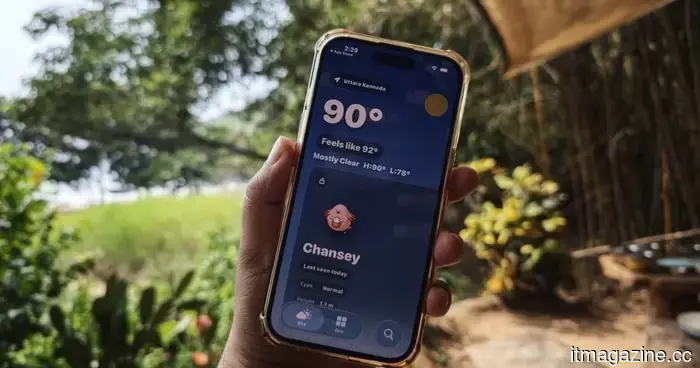 I used this weather app inspired by Pokémon, and now checking the weather feels like searching for entries in a Pokédex.
SkyDex revitalizes the enjoyment of weather apps, although its somewhat chaotic experience still requires improvement.
I used this weather app inspired by Pokémon, and now checking the weather feels like searching for entries in a Pokédex.
SkyDex revitalizes the enjoyment of weather apps, although its somewhat chaotic experience still requires improvement.
Apple's glasses will not engage in brand partnerships like Meta did with Ray-Ban and Oakley.
You know it's how Apple operates.