

Apple's AI glasses will explore a variety of designs and colors.
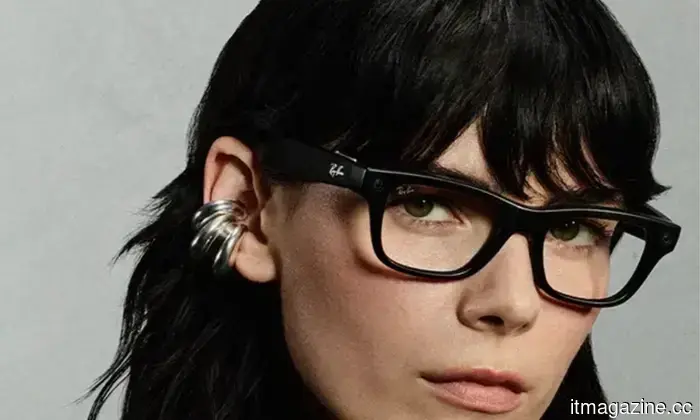
Clarke Reynolds wearing Meta AI Glasses
Apple is finally entering the smart glasses market. The company is posing an essential question: Would you actually wear these in public? This aspect is crucial, as it has been where many smart glasses have traditionally struggled. Rather than committing to a single, conventional design, Apple is said to be exploring various frame styles for its inaugural AI glasses, and not just minor adjustments — we are considering distinctly different shapes.
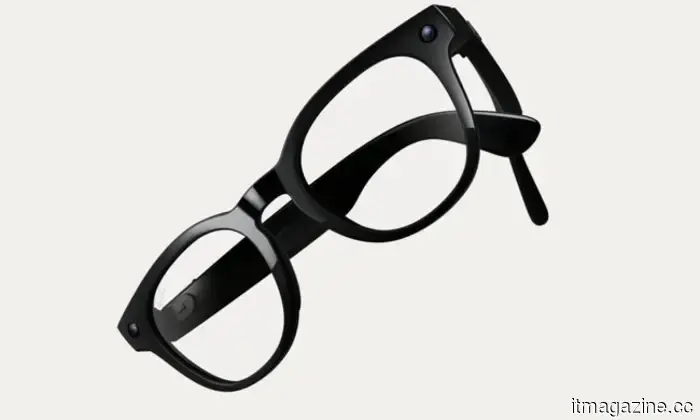
There’s a bold, thick rectangular option resembling classic sunglasses, and then a sleeker, more understated rectangular design that feels slightly more corporate. Additionally, Apple is experimenting with rounded frames, both oversized and more refined, clearly aiming to cater to a broad range of style preferences. In essence, Apple is creating a small collection, which is a wise strategy, since what suits one person may not look good on another.
Colors that take risks
The experimentation extends beyond just shapes. Apple is also testing different finishes and colors, stepping away from the common blacks and greys. We can expect more vibrant color options, such as rich blues, softer browns, and likely a few classic shades to maintain a balanced look. This variety is beneficial as different colors will help the glasses stand out in a crowd. Apple aims for these glasses to have an instantly recognizable appearance, one that you can spot from across the room and immediately identify.
Interestingly, Apple is also considering the materials used in these glasses. Instead of opting for standard plastic, the company is reportedly favoring higher-quality materials that feel sturdy, polished, and, crucially, justifiable for the premium price Apple will likely set. If you expect people to wear technology on their faces throughout the day, it must feel like a choice they would make even without the tech aspect.
The broader vision
It’s becoming clear that Apple doesn’t just want to enter the smart glasses segment; it aims to redefine the category. This is where the emphasis on diverse designs and colors becomes logical. It's not just about offering options for the sake of it, but rather about increasing the likelihood that at least one style resonates with individuals.
Apple's AI glasses may still be some time away, but one thing is already evident: the company understands that the product's success hinges on its design. No matter how advanced the technology is, if the glasses don’t look appealing, they won’t be worn outside. And Apple is very keen on getting them out there.
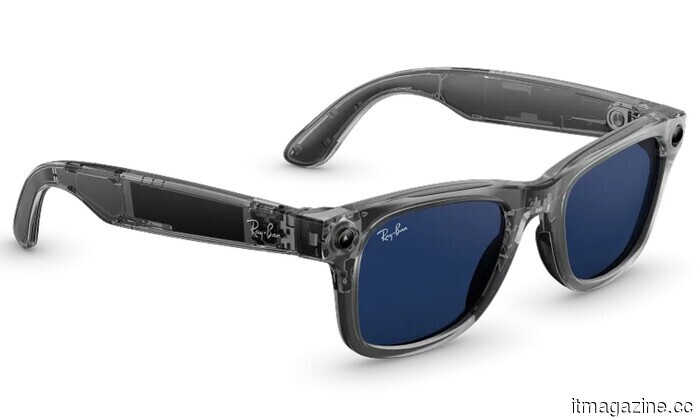
Apple glasses won’t partner with brands like Meta did with Ray-Ban and Oakley
When it comes to smart glasses, Apple seems to be opting for a unique approach. While other companies have collaborated with well-known eyewear brands to elevate their tech’s appearance, Apple appears focused on what it does best: keeping everything in-house. Competitors have strategically teamed up with established eyewear names, which makes sense — if a camera is being attached to someone’s face, it should ideally resemble something they would naturally wear. However, Apple doesn’t seem interested in that path. Instead of collaborating with brands like Ray-Ban or Oakley, the company is reportedly creating its own identity from the ground up. This is a bold but quintessentially Apple decision. This is the company that transformed wireless earbuds into a fashion icon and made smartwatches feel like personal accessories. If anyone can succeed in eyewear without external collaboration, it’s Apple.
From ambitious AR visions to a more pragmatic reality
Amazon's long-delayed satellite internet service, Leo, is finally nearing launch and is expected to go live in mid-2026, according to CEO Andy Jassy. This brings Amazon closer to competing with SpaceX's Starlink, albeit years after its major rival.
You shouldn’t rely on Meta's new Muse Spark AI for health advice
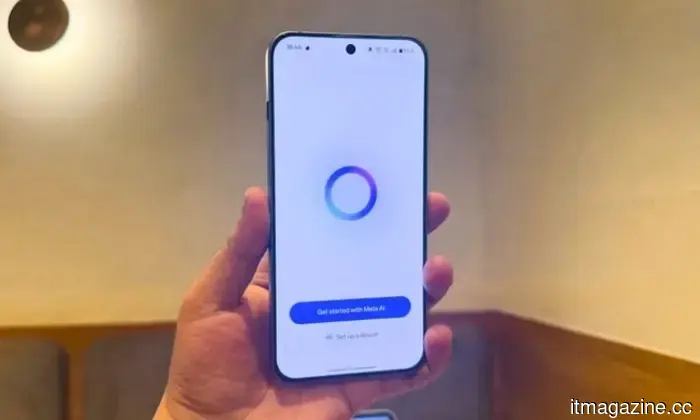
Meta’s new Muse Spark may be marketed as a more advanced AI model, but initial testing suggests it’s not suitable for serious medical advice. A recent report from WIRED highlighted that the health-oriented AI model within the Meta AI app did not deliver promising results. The chatbot allegedly encouraged users to upload raw medical data, such as lab reports and blood pressure readings, to analyze patterns and trends.



Other articles
 iPhone 18 series: All the details we have at this point.
For the first time, Apple might hold two distinct events to launch its iPhone 18 series, altering your approach to planning your next upgrade.
iPhone 18 series: All the details we have at this point.
For the first time, Apple might hold two distinct events to launch its iPhone 18 series, altering your approach to planning your next upgrade.
 Microsoft Teams is set to address an incredibly frustrating daily issue in meetings.
Microsoft is introducing a pre-join microphone test for Teams, along with the launch of privacy-focused Copilot recaps. This update will provide regular users with a more seamless beginning to their calls and offer businesses enhanced oversight over AI-generated meeting summaries.
Microsoft Teams is set to address an incredibly frustrating daily issue in meetings.
Microsoft is introducing a pre-join microphone test for Teams, along with the launch of privacy-focused Copilot recaps. This update will provide regular users with a more seamless beginning to their calls and offer businesses enhanced oversight over AI-generated meeting summaries.
 OpenAI's new $100 ChatGPT Pro plan aims to compete with Claude Max by providing five times more access to Codex.
On April 9, 2026, OpenAI introduced a ChatGPT Pro subscription at $100 per month, aligning its price with Claude Max. The Pro tier offers five times more Codex compared to the Plus version and includes a promotion that provides ten times the usual features until the end of May.
OpenAI's new $100 ChatGPT Pro plan aims to compete with Claude Max by providing five times more access to Codex.
On April 9, 2026, OpenAI introduced a ChatGPT Pro subscription at $100 per month, aligning its price with Claude Max. The Pro tier offers five times more Codex compared to the Plus version and includes a promotion that provides ten times the usual features until the end of May.
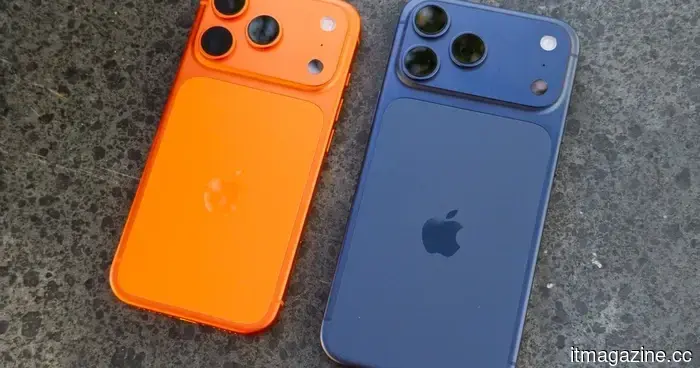 iPhone 18 series: All the information we have up to now
For the first time, Apple may launch its iPhone 18 series at two different events, which alters the way you should consider your next upgrade.
iPhone 18 series: All the information we have up to now
For the first time, Apple may launch its iPhone 18 series at two different events, which alters the way you should consider your next upgrade.
 Dune 3 is arriving earlier than the director initially intended.
Director Denis Villeneuve mentions that he plans to create Dune 3 much earlier than he initially expected.
Dune 3 is arriving earlier than the director initially intended.
Director Denis Villeneuve mentions that he plans to create Dune 3 much earlier than he initially expected.
 You Inquired: Sony's significant decision has raised concerns among fans, in addition to anti-glare in dim lighting.
Sony's recent collaboration with TCL has raised concerns among viewers regarding the implications for quality, pricing, and privacy. We analyze the actual changes taking place, whether a new QD-OLED model is expected this year, and evaluate anti-glare screens in a dark environment.
You Inquired: Sony's significant decision has raised concerns among fans, in addition to anti-glare in dim lighting.
Sony's recent collaboration with TCL has raised concerns among viewers regarding the implications for quality, pricing, and privacy. We analyze the actual changes taking place, whether a new QD-OLED model is expected this year, and evaluate anti-glare screens in a dark environment.
Apple's AI glasses will explore a variety of designs and colors.
It's all about appearances.