

Your preferred apps could be monitoring your activities — the warning from the FBI isn’t as straightforward as it appears.
There’s a certain reassurance in downloading an app favored by millions. If it’s popular, ranks high on charts, and appears frequently on your social media, it must be safe… right? Not exactly.
A recent alert from the FBI indicates that some of the most widely used apps on your smartphone — those you casually added during a late-night browsing session — might be secretly gathering much more data than you intended to share. This issue isn't confined to a single country; it’s a worldwide concern that hits closer to home than it may seem.
The issue lies not with the app itself, but with its origin.
The FBI’s recent public service announcement doesn’t specifically identify any apps. Naming individual apps would be nearly impossible given how rapidly app charts fluctuate. Instead, it highlights a broader issue: apps developed in foreign countries, especially those linked to nations with extensive national security laws.
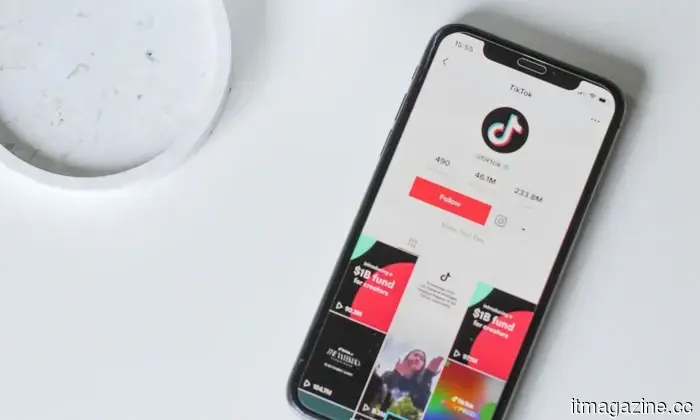
Consider China, for instance. Its legal framework includes provisions that may require companies to assist national intelligence initiatives. This means that app developers could be obligated to share user data upon request. While this might seem like a distant or abstract issue on its own, when considering millions of users and devices collectively, it becomes much more concerning. Even without an official list, it’s not hard to identify the likely candidates. Popular apps like CapCut, Temu, SHEIN, Lemon8, and even TikTok (along with its lighter versions) often feature in these discussions. Many of these apps lead download rankings on both Android and iOS platforms.
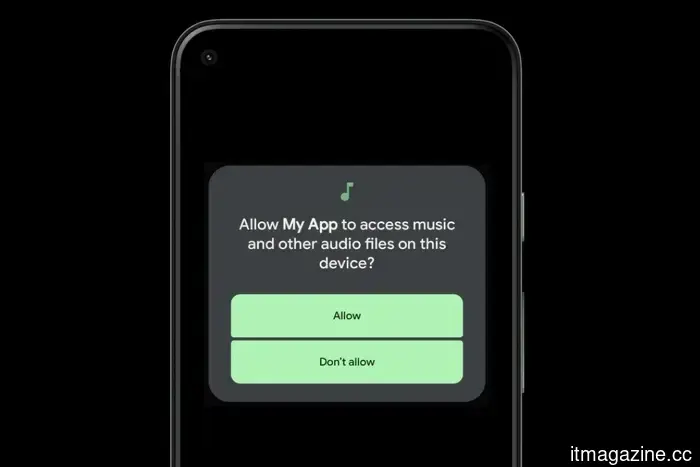
Regarding app permissions, let’s be candid — no one really reads them. When you install an app, it requests access to your contacts, storage, and perhaps your microphone, and you press Allow without a second thought. This has become almost instinctual. However, according to the FBI, this is exactly where problems begin. Once permissions are granted, apps can continually gather data — not just once, but persistently. The types of data they can collect may include:
- Your contact list
- Email addresses and phone numbers
- Physical addresses
- Device identifiers and user IDs
This essentially creates a social map of your connections, illustrating how you interact and whom you could target next.
Your contacts are no longer just yours.
Some apps prompt you to "invite friends" or sync your contacts. Behind the scenes, this can result in entire address books being uploaded and stored. In certain cases, developers clearly state that this data may be retained on overseas servers — including those in China — for as long as they find necessary. Compounding the issue, some apps may not work unless you accept these terms, effectively removing any real choice. Additionally, there is the danger of malware disguised within seemingly trustworthy apps. This can exploit weaknesses in your phone, bypass standard permissions, and install backdoors for deeper system access. This raises the issue of potential unauthorized access that exceeds what you initially agreed to. Once that access is granted, resolving it isn’t always straightforward.
It’s a common belief that iPhones are safer. While Apple's tighter ecosystem does mitigate certain risks compared to Android's flexibility with sideloading, “safer” does not equate to “safe.” iOS apps can still request excessive permissions, store data externally, and operate in the same global contexts that raise these concerns.
So, what actions should you take?
The FBI is not urging you to delete half of your apps at once. However, it is encouraging users to be more aware — a mindset many of us overlook. Adopting a few simple practices can be beneficial:
- Check permissions prior to installation (yes, actually review them)
- Avoid apps that seek unnecessary access
- Limit contact syncing unless absolutely required
- Review privacy settings after installing an app
- Be wary of apps from unfamiliar developers
Smartphones have become extensions of our identities, containing our conversations, relationships, routines, and more. Apps serve as gateways to this realm. While they enhance convenience, speed, and entertainment, they also entail hidden trade-offs. The FBI’s warning is not a call to abandon your favorite apps; it’s a reminder to stay alert.
Другие статьи
 Significant milestones of the Artemis II moon mission … to date
After completing a historic flyby of our closest neighbor, the Artemis II crew is now heading back to Earth. NASA's Victor Glover, Reid Wiseman, and Christina Koch, along with Jeremy Hansen from the Canadian Space Agency, launched from the Kennedy Space Center aboard the Orion spacecraft on April 1, […]
Significant milestones of the Artemis II moon mission … to date
After completing a historic flyby of our closest neighbor, the Artemis II crew is now heading back to Earth. NASA's Victor Glover, Reid Wiseman, and Christina Koch, along with Jeremy Hansen from the Canadian Space Agency, launched from the Kennedy Space Center aboard the Orion spacecraft on April 1, […]
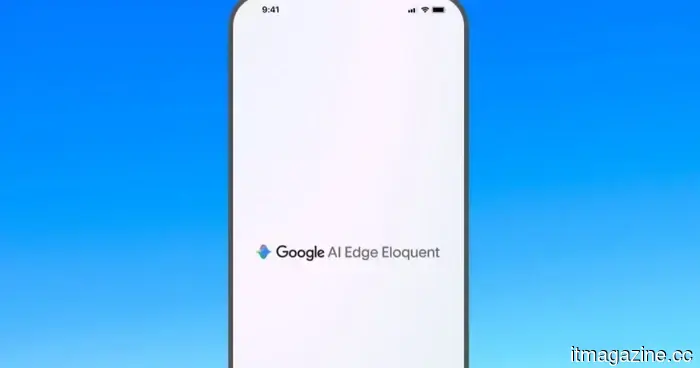 Google's new complimentary dictation app is the alternative to Willow that you've been anticipating.
Google AI Edge Eloquent is a free voice dictation app that operates offline and automatically refines spoken input, entering a market where competing services such as Willow and Wispr Flow demand fees of up to $15 per month.
Google's new complimentary dictation app is the alternative to Willow that you've been anticipating.
Google AI Edge Eloquent is a free voice dictation app that operates offline and automatically refines spoken input, entering a market where competing services such as Willow and Wispr Flow demand fees of up to $15 per month.
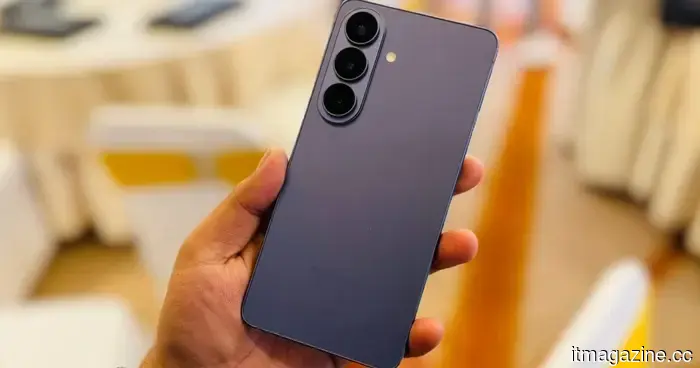 Even if Samsung releases a Galaxy S27 Pro, the name by itself won't be enough to ensure its success.
A Galaxy S27 Pro could enhance Samsung’s range, but only if it addresses the issues related to charging, value, and hardware present in the current non-Ultra models.
Even if Samsung releases a Galaxy S27 Pro, the name by itself won't be enough to ensure its success.
A Galaxy S27 Pro could enhance Samsung’s range, but only if it addresses the issues related to charging, value, and hardware present in the current non-Ultra models.
 nFuse secures $2M to enable small retailers to place orders through WhatsApp.
nFuse has secured $2 million in funding from Eleven Ventures and LAUNCHub for a B2B ordering platform that operates via WhatsApp and SMS.
nFuse secures $2M to enable small retailers to place orders through WhatsApp.
nFuse has secured $2 million in funding from Eleven Ventures and LAUNCHub for a B2B ordering platform that operates via WhatsApp and SMS.
 Netflix has launched a new gaming app for children that eliminates ads and in-app purchases.
Netflix has introduced Playground, a new standalone gaming app for children aged 8 and younger, featuring no advertisements, no in-app purchases, and characters from Peppa Pig, Sesame Street, and others.
Netflix has launched a new gaming app for children that eliminates ads and in-app purchases.
Netflix has introduced Playground, a new standalone gaming app for children aged 8 and younger, featuring no advertisements, no in-app purchases, and characters from Peppa Pig, Sesame Street, and others.
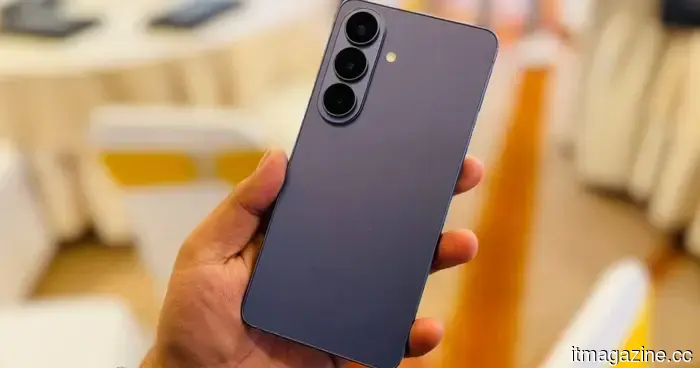 Samsung Galaxy S26 Review: This small flagship seems to be playing it too safe.
The Galaxy S26 offers the well-known Samsung flagship experience in a smaller size, but the absence of significant hardware advancements prevents it from feeling genuinely thrilling.
Samsung Galaxy S26 Review: This small flagship seems to be playing it too safe.
The Galaxy S26 offers the well-known Samsung flagship experience in a smaller size, but the absence of significant hardware advancements prevents it from feeling genuinely thrilling.
Your preferred apps could be monitoring your activities — the warning from the FBI isn’t as straightforward as it appears.
No, this isn’t an emotional breakup speech urging you to remove all your apps and start living off the grid.