
5 forgotten games that I can't seem to stop reminiscing about.
The phrase "dead game" is often used casually nowadays. Players tend to label a game as such whenever it experiences a drop in Steam's concurrent player count, receives a poor balance update, or implements changes that frustrate the community. However, that's not the true definition of a dead game.
Games typically disappear in two stages. The first occurs when players leave, followed by the second when the conversation around the game ceases. The titles on this list, however, have not completely faded from discussion.
These games are not all "dead" in the same manner. Some are officially extinct, while others remain technically playable but are essentially abandoned. A few exist due to small, tenacious communities unwilling to let go. Yet, with lost momentum and uncertain futures, they evoke a poignant sense of lost potential. Regardless, I find myself missing all of them.
**Anthem**
What was it about?
Anthem showcased one of the most captivating core fantasies I've seen squandered. Soaring through the skies in a Javelin was exhilarating. The movement felt dynamic, substantial, and possessed that rare freedom that made you think, "This is the fantasy."
To this day, when people discuss Anthem, the first aspect they mention is typically not the loot or the missions, but rather the flying.
Why did it fail?
The surrounding mechanics did not support the power fantasy. Anthem’s trailer led many to believe it was a narrative-driven story game, but it launched as a live-service game that never clarified its intent. The content loop was lacking, gameplay became monotonous quickly, and it failed to secure the long-term support necessary to develop its strongest ideas. Anthem is memorable due to its intriguing foundation, serving as a painful reminder that an idea alone is insufficient.
**Deceive Inc.**
What was it about?
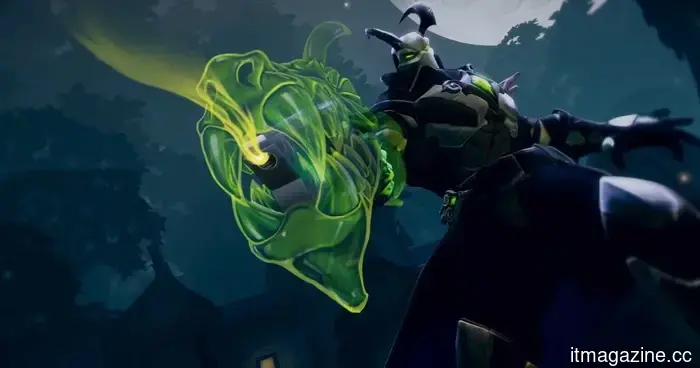
In a crowded market of multiplayer shooters, Deceive Inc. emerged as a refreshing anomaly. Its spy-social-stealth concept was innovative, stylish, and distinct enough to capture immediate attention. It was a game that possessed a true personality, breaking from the usual battle royale and hero shooter formulas.
Why did it fail?
Clever gameplay alone isn’t always sufficient for success. Deceive Inc. struggled to build the player base it warranted. Multiplayer games require momentum and a dedicated community to flourish; losing both makes recovery exceedingly difficult. It existed in an awkward space where players who enjoyed it loved the concept, but not enough people joined to sustain it. The lingering question remains: "How did it never gain traction?"
**Gigantic**
What was it about?
Gigantic stood out as one of the finest ‘Hero Shooters’ available. It combined style and substance seamlessly. The game felt vibrant in a way that many team-based multiplayer experiences do not. The art direction, character design, and match scale were all expressive and energetic. While my absolute favorite is in this genre, this one came in a close second. Even the remaster emphasizes how unique the game’s identity was.
Why did it fail?
Timing, lack of support, and plain bad luck seemed to conspire against it. Gigantic often felt like a game people admired from afar. That’s the harsh reality for such titles. A game can be original, stylish, and worthy of support, yet still be overlooked by the market. Sadly, Gigantic: Rampage Edition aimed to rekindle interest, but by then, many had moved on, leading a friend to remark, "The spark just isn't there anymore."
**Titanfall 2**
What was it about?
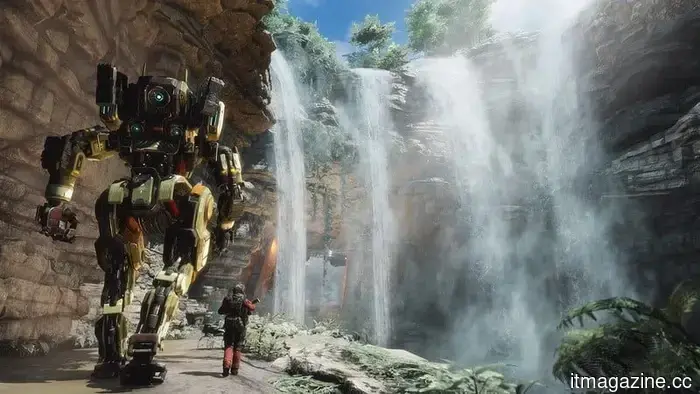
Titanfall 2 remains superior to many shooters that have followed. Despite gamers lamenting Call of Duty's shift toward movement-focused gameplay, this shift gave rise to a game that fully embraced it. With its intricate movement mechanics and visual flair, the Titans introduced genuine spectacle, and the campaign featured some of the best level design of its time. It continues to be discussed with a blend of admiration and frustration for what it achieved.
Why did it fail?
While its story mirrors others on this list, the challenges here were more nuanced. Respawn Entertainment released the game alongside two massive video game franchises, which overshadowed its launch. Its demanding mechanics drove many casual players toward simpler titles. Adding to the woes, hackers plagued the game for years, and the studio shifted its focus to its cash cow, Apex Legends, leaving little support for Titanfall 2.
**Paladins: Champions of the Realm**
Paladins differs from the other games on this list because my experience was not just observational; I was deeply invested. I logged nearly 3,000 hours, reached top ranks, and witnessed both its brilliance and flaws up close. Paladins stood out for its flexibility, chaotic energy, and creativity, which often went unappreciated.
The champions had distinct personalities, and the card and loadout system allowed for playstyle customization not found in other hero shooters. Despite its rough edges, it felt alive,

Other articles
 Monzo exits the US market to concentrate on Europe in preparation for a London IPO | TNW
Monzo is set to shut down its US accounts by June 2026 and is also reducing its workforce by 50 positions. Just three months after obtaining a banking license in the EU, the UK fintech is concentrating on a public offering in London.
Monzo exits the US market to concentrate on Europe in preparation for a London IPO | TNW
Monzo is set to shut down its US accounts by June 2026 and is also reducing its workforce by 50 positions. Just three months after obtaining a banking license in the EU, the UK fintech is concentrating on a public offering in London.
 This discontinued LG Rollable phone makes current designs appear outdated.
A rare disassembly reveals that LG’s discontinued rollable phone was more sophisticated than current devices, featuring technology that has yet to be incorporated into mainstream smartphones.
This discontinued LG Rollable phone makes current designs appear outdated.
A rare disassembly reveals that LG’s discontinued rollable phone was more sophisticated than current devices, featuring technology that has yet to be incorporated into mainstream smartphones.
 Vibe coding has led to an 84% increase in submissions to the App Store. Apple is intensifying its enforcement.
AI-driven coding tools led to an 84% increase in App Store submissions in just one quarter, resulting in review times extending to 30 days. Apple has begun removing apps that breach its self-containment regulations.
Vibe coding has led to an 84% increase in submissions to the App Store. Apple is intensifying its enforcement.
AI-driven coding tools led to an 84% increase in App Store submissions in just one quarter, resulting in review times extending to 30 days. Apple has begun removing apps that breach its self-containment regulations.
 Monzo leaves the US market to concentrate on Europe in preparation for a London IPO | TNW
Monzo will be shutting down its US accounts by June 2026 and will reduce its workforce by 50 positions. This decision comes three months after obtaining a banking license in the EU, as the UK fintech shifts its attention towards a London IPO.
Monzo leaves the US market to concentrate on Europe in preparation for a London IPO | TNW
Monzo will be shutting down its US accounts by June 2026 and will reduce its workforce by 50 positions. This decision comes three months after obtaining a banking license in the EU, as the UK fintech shifts its attention towards a London IPO.
 Italian court mandates refunds from Netflix following a ruling that deemed price increases unlawful | TNW
The Court of Rome has declared that Netflix's price increases since 2017 were illegal according to EU consumer regulations. Italian subscribers might be entitled to refunds of up to €500.
Italian court mandates refunds from Netflix following a ruling that deemed price increases unlawful | TNW
The Court of Rome has declared that Netflix's price increases since 2017 were illegal according to EU consumer regulations. Italian subscribers might be entitled to refunds of up to €500.
 Fitness tracking faces criticism as a leak of Strava military data reveals personal details of personnel.
Activity logs from Strava connected to more than 500 military personnel in the UK demonstrate how collective fitness data can expose identities, habits, and sensitive sites, transforming ordinary workouts into a possible security threat.
Fitness tracking faces criticism as a leak of Strava military data reveals personal details of personnel.
Activity logs from Strava connected to more than 500 military personnel in the UK demonstrate how collective fitness data can expose identities, habits, and sensitive sites, transforming ordinary workouts into a possible security threat.
5 forgotten games that I can't seem to stop reminiscing about.
Not every game that has ceased to exist warrants a eulogy, yet these five still seem like discussions that were left unresolved.