
5 deceased games that I can't help but ponder over.
The term 'dead game' is often used casually nowadays. Players frequently use it whenever a game drops in the Steam concurrent players chart, receives a negative balance update, or makes a change that upsets the community. However, this is not the true definition of a dead game.
A game typically dies twice: first when players leave, and then again when conversations about it stop. The titles on this list never truly managed to experience the second phase.
Not all these games are "dead" in the same manner. Some are completely gone, while others remain technically playable but feel abandoned. Some continue to exist due to small, persistent communities that refuse to let go. However, with the loss of momentum and uncertainty about their futures, all that's left is a poignant reminder of what could have been. Yet, I still miss them all.
**Anthem**
What was it about?
Anthem possessed one of the most impressive core ideas I've ever seen squandered. Soaring in a Javelin was exhilarating. The movement offered speed, weight, and a rare freedom that made you think, “This is the fantasy.”
Even now, when people mention Anthem, the first thing they highlight is usually the flying, not the loot or the missions.
Why did it fail?
The surrounding elements of the power fantasy failed to support it. Anthem's trailer had many questioning if it was a narrative-driven game, but it was launched as a live-service game that never fully grasped the type of game it aimed to be. The content loop was inadequate, the gameplay became repetitive quickly, and it never received the long-term support necessary to expand on its best ideas. Anthem is memorable due to its cool foundation, but it serves as a painful reminder that a compelling concept alone is insufficient.
**Deceive Inc.**
What was it about?
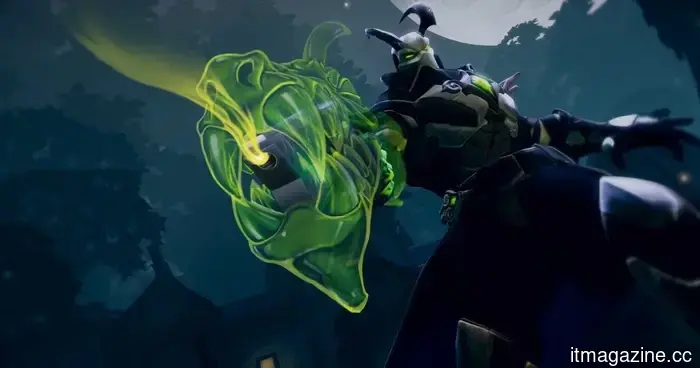
In a crowded field of multiplayer shooters, Deceive Inc. felt refreshingly innovative in a market that often fails to reward experimentation. Its spy-social-stealth theme was clever, stylish, and different enough to make it stand out right away. It had an actual personality, unlike the usual battle royale and hero shooter formats.
Why did it fail?
Cleverness alone wasn’t enough for survival. Deceive Inc. never seemed to find the player base it warranted. For multiplayer games, momentum and a dedicated community are vital. Once those are lost, recovery is incredibly challenging. It also found itself in an awkward position where players appreciated the idea, but not enough people engaged to keep it alive. The lingering question remains: "How did it never take off?"
**Gigantic**
What was it about?
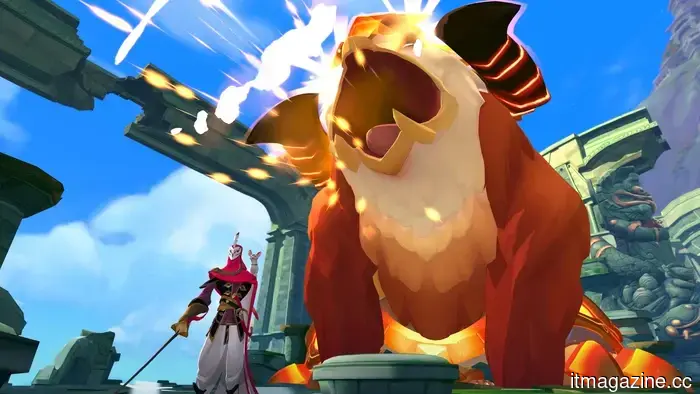
Gigantic stood out as one of the best 'Hero Shooters' available. It blended style with substance, appearing vibrant in a way many team-based multiplayer games do not. The art direction, character design, and match scale were expressive and filled with energy. It ranked as my close second favorite in the genre, right after my undisputed favorite. Even the remaster highlighted the game's unique identity.
Why did it fail?
Timing, support, and sheer bad luck seemed to conspire against it. Gigantic always felt like a game admired from afar. This is the harsh reality for such games: they can be original, stylish, and easy to root for, yet still go unnoticed in the market. Sadly, the relaunch, Gigantic: Rampage Edition, aimed to rekindle interest, but players had already moved on, as my friend said, “The spark just isn’t there anymore.”
**Titanfall 2**
What was it about?
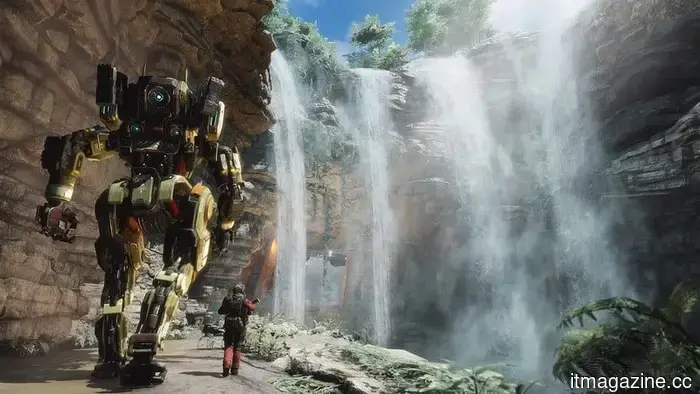
Titanfall 2 is a title that still feels superior to many shooters that followed. Even as gamers voiced concerns over Call of Duty’s shift towards movement shooters, that very fatigue helped pave the way for a game that embraced this format. It featured intricate movement mechanics and style. The gameplay was fast and fluid, the Titans added real spectacle, and its campaign was praised for exceptional level design. To this day, Titanfall 2 evokes a mix of admiration and frustration due to its many successes.
Why did it fail?
While its story aligns with others on this list, the nuances were distinct. Respawn Entertainment launched the game amid two massive video game franchise releases that overshadowed it. Many casual players abandoned it for simpler titles due to its challenging mechanics. Additionally, the game suffered from years of being unable to fully operate due to hackers and lacked studio support, as the focus shifted primarily to the financially successful Apex Legends.
**Paladins: Champions of the Realm**
Paladins differs from the other games here as I didn’t just admire it from a distance—I immersed myself in it. I invested nearly 3,000 hours into the game, reached top ranks, and experienced both its brilliance and its flaws firsthand. What made Paladins unique was its flexibility, chaos, and genuine creativity that often went unrecognized.
The champions
Other articles
 Court orders Netflix to reimburse customers due to multiple price increases.
Netflix might need to reimburse Italian subscribers following a court's decision against years of price hikes. Customers could receive refunds amounting to hundreds of euros, but an appeal will determine whether these payments will take place.
Court orders Netflix to reimburse customers due to multiple price increases.
Netflix might need to reimburse Italian subscribers following a court's decision against years of price hikes. Customers could receive refunds amounting to hundreds of euros, but an appeal will determine whether these payments will take place.
 Vibe coding has led to an 84% increase in submissions to the App Store. Apple is intensifying its enforcement.
AI-driven coding tools led to an 84% increase in App Store submissions in just one quarter, resulting in review times extending to 30 days. Apple has begun removing apps that breach its self-containment regulations.
Vibe coding has led to an 84% increase in submissions to the App Store. Apple is intensifying its enforcement.
AI-driven coding tools led to an 84% increase in App Store submissions in just one quarter, resulting in review times extending to 30 days. Apple has begun removing apps that breach its self-containment regulations.
 Your LinkedIn activity may not be as confidential as you believe.
A recent report indicates that LinkedIn monitors more than 6,000 Chrome extensions and gathers device information through concealed scripts, which raises significant privacy issues.
Your LinkedIn activity may not be as confidential as you believe.
A recent report indicates that LinkedIn monitors more than 6,000 Chrome extensions and gathers device information through concealed scripts, which raises significant privacy issues.
 Reports indicate that Xbox Cloud Gaming may be set to reintroduce classic games that were previously lost.
Leaks regarding Xbox Cloud Gaming suggest that classic and delisted games could make a comeback through cloud testing, indicating a larger movement towards enhancing backward compatibility across current devices and upcoming Xbox hardware.
Reports indicate that Xbox Cloud Gaming may be set to reintroduce classic games that were previously lost.
Leaks regarding Xbox Cloud Gaming suggest that classic and delisted games could make a comeback through cloud testing, indicating a larger movement towards enhancing backward compatibility across current devices and upcoming Xbox hardware.
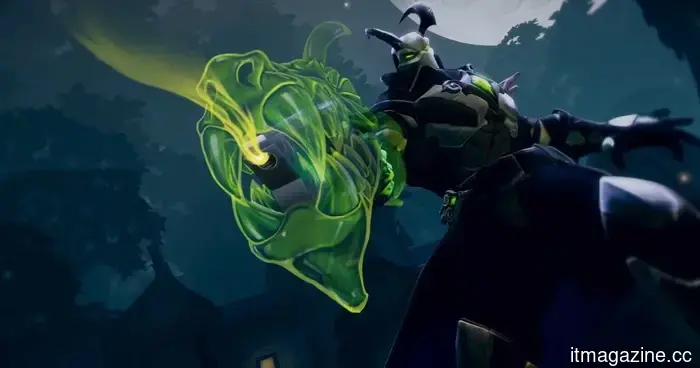 5 forgotten games that I can't seem to stop reminiscing about.
Not every game that has ceased to exist warrants a eulogy, yet these five still seem like discussions that were left unresolved.
5 forgotten games that I can't seem to stop reminiscing about.
Not every game that has ceased to exist warrants a eulogy, yet these five still seem like discussions that were left unresolved.
 Microsoft invested years in promoting Copilot, but it now advises against depending on it.
Microsoft states that Copilot is intended solely for “entertainment purposes,” even though it is closely integrated into Office and Windows, leading to criticism regarding inconsistent messaging.
Microsoft invested years in promoting Copilot, but it now advises against depending on it.
Microsoft states that Copilot is intended solely for “entertainment purposes,” even though it is closely integrated into Office and Windows, leading to criticism regarding inconsistent messaging.
5 deceased games that I can't help but ponder over.
Not every game that has died warrants a eulogy, yet these five seem like conversations that were left incomplete.