
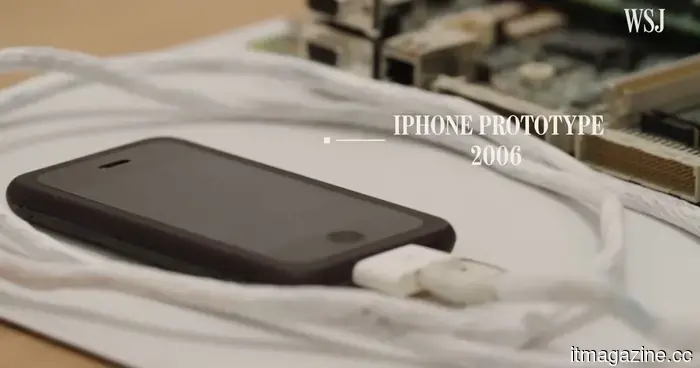
Before your iPhone could fit in your pocket, it occupied the space of a cutting board.
Apple’s archive unveils the clunky prototypes that influenced its most significant products.
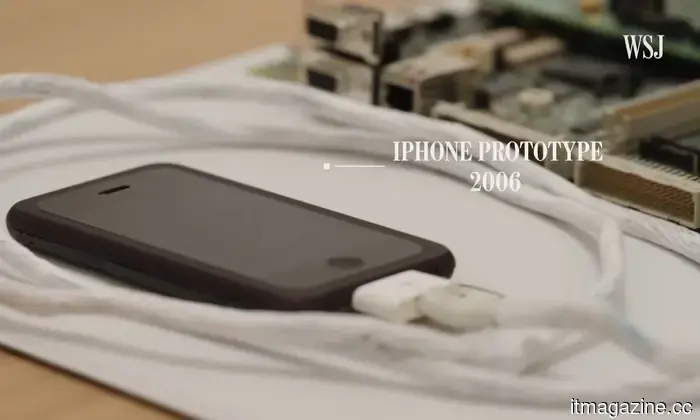
Before your iPhone was pocket-sized, it resembled something from a workshop. Apple’s 50th anniversary archive showcases how sizable and incomplete its major concepts once were, including an early iPhone prototype that hardly looked like a phone.
This prototype was less a device and more a large circuit board designed to test the interaction of touch input with core components. Apple prioritized making the system functional initially, confident they could reduce the size later.
Tim Cook mentioned that even within Apple, success wasn't a certainty. Initial testers encountered issues with screens scratching against keys in pockets, necessitating a last-minute switch to glass just months prior to launch. This decision played a crucial role in shaping the modern smartphone.
The archive reveals a clear trend: Apple’s most significant products started out unrefined and had to demonstrate functionality before arriving at their final versions.
A watch reliant on a phone
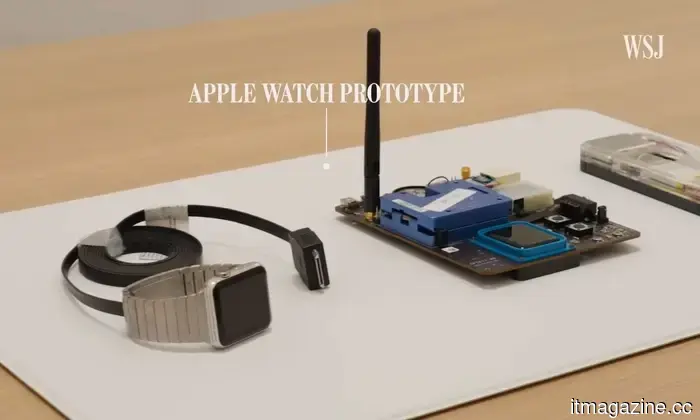
The prototype of the Apple Watch showcases a different type of ambiguity. One early iteration required a connected iPhone, highlighting the unclear nature of the product’s intended role at the time.
The Apple Watch wasn’t initially positioned as a health device but functioned more as an iPhone accessory, with its role evolving through practical use. Apple needed to identify what features were suitable for a wristwatch by building and testing various models.
Cook indicated that clarity in direction emerged over time. Health features like ECG were introduced later as Apple honed what was effective and discarded what was not.
Why Apple builds large models initially
These prototypes illustrate a consistent strategy. Apple emphasizes functionality before aesthetics, using larger constructs to determine if an idea is viable.
This approach explains the rough appearance of early versions. The priority is to ensure that the components work harmoniously before condensing them into a usable form.
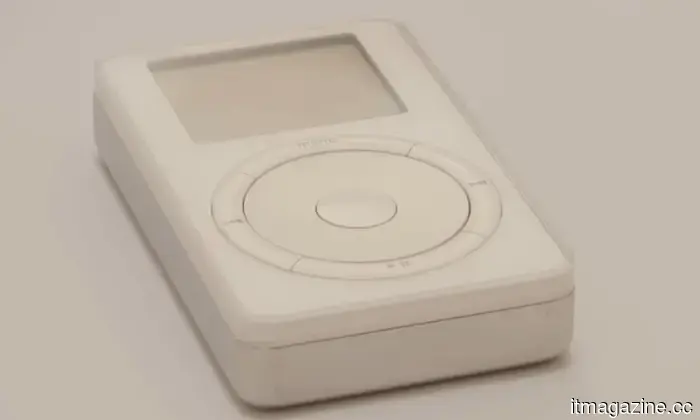
Cook described it succinctly. What appears to be an overnight achievement results from years of testing and refining. The original iPod took a similar route.
Implications for future developments
The archive suggests how Apple will continue to innovate. New concepts likely commence as rough, oversized prototypes before evolving into everyday devices.
Crucial decisions often occur late in the process. The transition to glass happened just months before the launch, and the Apple Watch established its identity only after it was released.
Apple maintains a focus on integrating hardware, software, and services into a cohesive experience. This methodology has persisted from its earliest prototypes to the present.
While those initial circuit boards are now stored, the thought process behind them endures. The next significant device will probably appear awkward today, which is a natural part of the development process.


Other articles
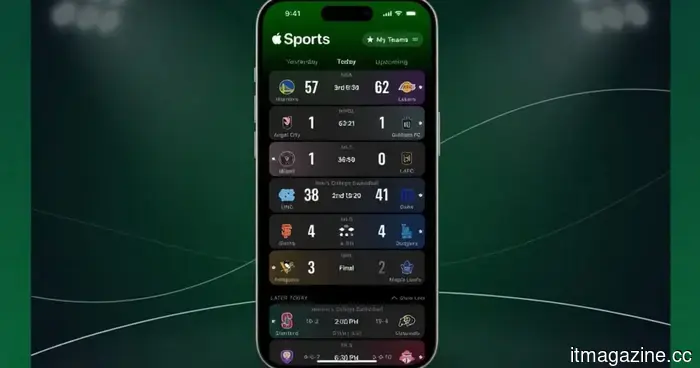 Follow your World Cup teams directly on your iPhone with this Apple Sports update.
Apple Sports introduces World Cup support, allowing you to monitor teams, scores, and matches in real time with updates on your lock screen. Here’s how this new feature alters your experience of the 2026 tournament.
Follow your World Cup teams directly on your iPhone with this Apple Sports update.
Apple Sports introduces World Cup support, allowing you to monitor teams, scores, and matches in real time with updates on your lock screen. Here’s how this new feature alters your experience of the 2026 tournament.
 AI governed by humans: How Fortis Solutions is fostering trust in intelligent infrastructure.
Fortis Solutions discusses how human governance, data integrity, and secure infrastructure are influencing the future of decision-making driven by AI.
AI governed by humans: How Fortis Solutions is fostering trust in intelligent infrastructure.
Fortis Solutions discusses how human governance, data integrity, and secure infrastructure are influencing the future of decision-making driven by AI.
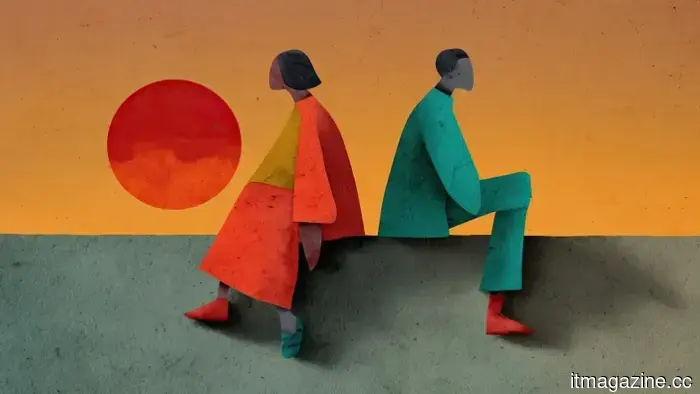 When the device requests that you remain.
In October 2025, Sam Altman shared a message on X that concluded with a thoughtfully positioned commitment. He stated that ChatGPT would soon enable verified adults to access erotica. He presented this as a question of principle: respecting adults as adults.
When the device requests that you remain.
In October 2025, Sam Altman shared a message on X that concluded with a thoughtfully positioned commitment. He stated that ChatGPT would soon enable verified adults to access erotica. He presented this as a question of principle: respecting adults as adults.
 Covalo, located in Zurich, has secured an additional €3.5M in funding.
Covalo, based in Zurich, has secured a €3.5M funding extension to transition from an ingredient marketplace to a shared data infrastructure for personal care.
Covalo, located in Zurich, has secured an additional €3.5M in funding.
Covalo, based in Zurich, has secured a €3.5M funding extension to transition from an ingredient marketplace to a shared data infrastructure for personal care.
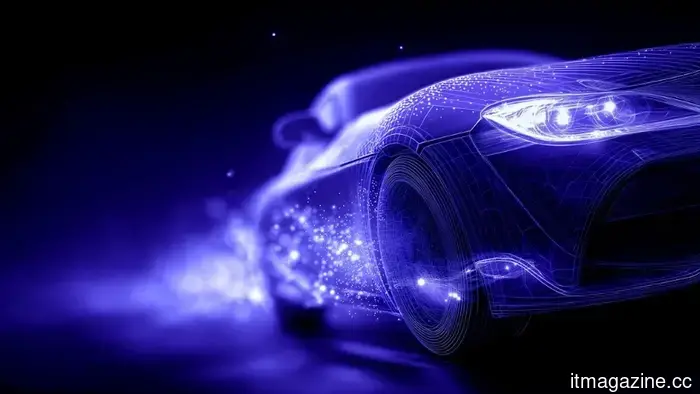 Quanscient and Haiqu conducted a 15-step nonlinear simulation of quantum fluids.
Quanscient and Haiqu conducted what they call the most physically intricate quantum CFD simulation to date on actual IBM quantum hardware.
Quanscient and Haiqu conducted a 15-step nonlinear simulation of quantum fluids.
Quanscient and Haiqu conducted what they call the most physically intricate quantum CFD simulation to date on actual IBM quantum hardware.
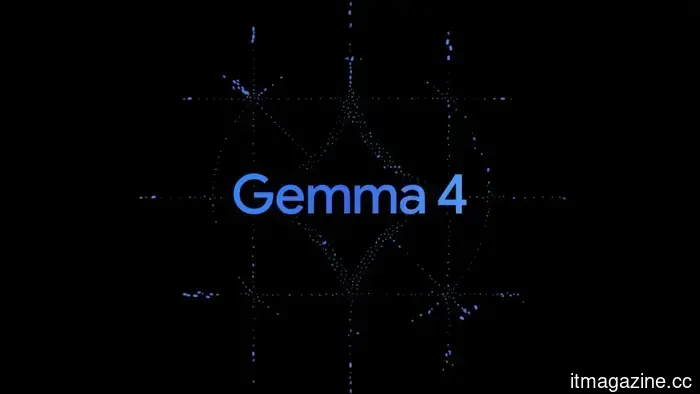 Google has introduced Gemma 4.
Google has introduced Gemma 4, which consists of four open-weight models ranging from E2B edge to 31B Dense, developed from Gemini 3 research and released under the Apache 2.0 license.
Google has introduced Gemma 4.
Google has introduced Gemma 4, which consists of four open-weight models ranging from E2B edge to 31B Dense, developed from Gemini 3 research and released under the Apache 2.0 license.
Before your iPhone could fit in your pocket, it occupied the space of a cutting board.
Apple's archive showcases large prototypes of the iPhone and Apple Watch, illustrating how its most significant products began in a raw form before transforming into the sleek devices that people use daily.