
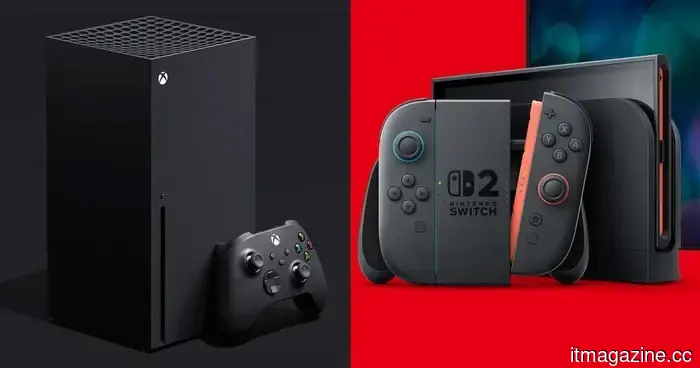
Following the PS5 price increase, Xbox and Nintendo may be the next to raise their prices.
Analysts suggest that increasing component costs may lead to further price hikes for consoles.
Sony's recent price increase for the PlayStation 5 might not be an isolated incident. It could signal the beginning of a broader trend throughout the gaming industry. Piers Harding-Rolls from Ampere Analysis mentioned to Eurogamer that it "wouldn't be surprising" if Microsoft and Nintendo followed suit with price increases in the near future.
The reasoning is quite clear: the same issues that influenced Sony's decision, such as rising memory costs, supply shortages, and inflation, are impacting the entire industry, not just a single company.
What is causing this?
A significant part of the issue is linked to components, particularly memory. The ongoing global shortage of memory, partly driven by high demand from AI data centers, is increasing the costs of DRAM and storage. Additionally, widespread economic challenges, including inflation and disruptions in the supply chain, are complicating efforts for companies to maintain stable hardware prices without compromising their profit margins.
Sony has already acted by raising PS5 prices worldwide, with increases of up to $100 in certain markets. Although not directly related to gaming, Sony's camera division has also responded by ceasing sales of its CFexpress and SD cards.
What about Xbox and Nintendo?
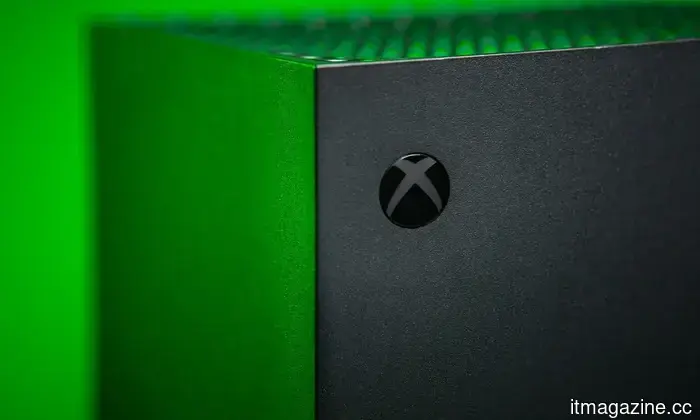
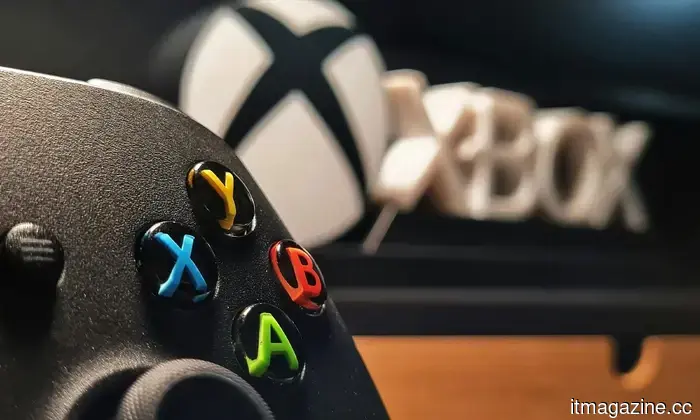
Neither Microsoft nor Nintendo has yet confirmed any price increases, but both face a challenging situation. Microsoft has previously raised Xbox prices, and another increase could be forthcoming, as discussed in earlier reports. With Project Helix anticipated to cost around $1,200, it wouldn't be surprising if Microsoft also considers adjusting prices for its current-generation consoles. However, new management is aiming to lower Game Pass costs, so the outcome is uncertain.
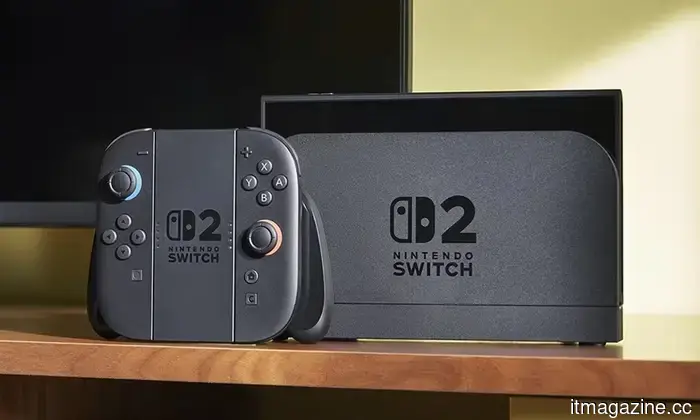
Meanwhile, Nintendo is concentrating on keeping the Switch 2 competitive, especially during its initial lifecycle. Analysts indicate that Nintendo might eventually need to raise prices if current conditions persist, as keeping hardware costs low usually means selling at a loss—a situation no company can maintain for long.
Varun is a seasoned technology journalist and editor with over eight years of experience in consumer tech media. His work encompasses...
Smash hit Hades 2 is finally set to release on PlayStation and Xbox.
After much anticipation, Hades 2 is making its way to PlayStation 5 and Xbox Series X|S. Supergiant Games has announced that the highly praised roguelike sequel will launch on April 14, with the Xbox version also available on Game Pass that same day. This is a significant milestone for fans whose primary gaming platform is consoles. The franchise's first sequel debuted in September 2025, quickly becoming the best-reviewed game of that year on both Metacritic and OpenCritic.
Samsung addresses a long-standing issue with OLED monitors, gaining support from rival brands.
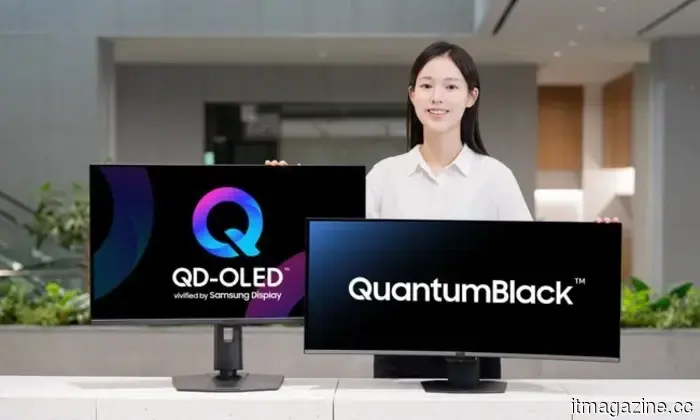
Samsung's new QuantumBlack film minimizes reflections and enhances deep blacks on QD-OLED monitors. QD-OLED monitors are known for achieving rich blacks by shutting off individual pixels completely. However, in practical use, this advantage can be diminished by ambient light reflecting off the screen. Samsung has now developed a solution to this problem.
Sony has declared price increases for the PS5, PS5 Pro, and PlayStation Portal.
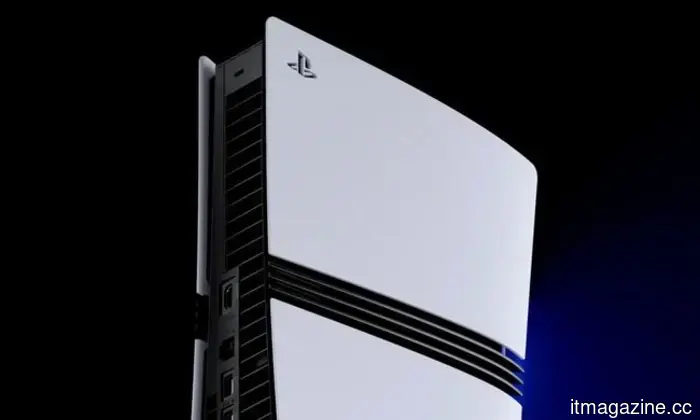
The cost of owning a PS5 just rose. Sony has officially announced price hikes across its PlayStation hardware lineup, including the PlayStation 5, PlayStation 5 Pro, and PlayStation Portal remote player. These adjustments represent a significant change in the company's pricing strategy as global costs continue to rise, affecting the gaming industry.


Other articles
 CrunchyRoll anime is now available on Apple TV.
Crunchyroll is now offered as a channel on Apple TV, allowing you to stream anime directly within the Apple TV app. However, current subscriptions cannot be linked and a new sign-up is necessary.
CrunchyRoll anime is now available on Apple TV.
Crunchyroll is now offered as a channel on Apple TV, allowing you to stream anime directly within the Apple TV app. However, current subscriptions cannot be linked and a new sign-up is necessary.
 I won't purchase the Galaxy A37 for $450, but I highly suggest these four excellent alternatives.
Prior to investing $450 in the Galaxy A37 5G, consider that four competing smartphones, including one from Samsung, provide greater value and superior performance.
I won't purchase the Galaxy A37 for $450, but I highly suggest these four excellent alternatives.
Prior to investing $450 in the Galaxy A37 5G, consider that four competing smartphones, including one from Samsung, provide greater value and superior performance.
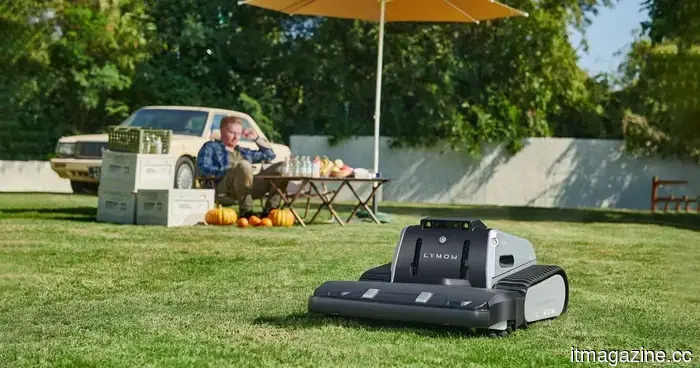 Mowing Simplified: This Spring, save as much as $300 with the Wire-free Lymow One Plus.
Lawn care no longer needs to feel like a burden. This Spring, the Lymow One Plus is revolutionizing the way we maintain our lawns with savings of up to $300. Designed for contemporary living, this wire-free robotic mower ensures your yard remains neatly trimmed, giving homeowners a chance to relax and appreciate their outdoor area.
Mowing Simplified: This Spring, save as much as $300 with the Wire-free Lymow One Plus.
Lawn care no longer needs to feel like a burden. This Spring, the Lymow One Plus is revolutionizing the way we maintain our lawns with savings of up to $300. Designed for contemporary living, this wire-free robotic mower ensures your yard remains neatly trimmed, giving homeowners a chance to relax and appreciate their outdoor area.
 I observe that Apple is avoiding the AI chaos, instead focusing on making Siri the most adaptable assistant.
The walls remain standing, but they have lost some of their height.
I observe that Apple is avoiding the AI chaos, instead focusing on making Siri the most adaptable assistant.
The walls remain standing, but they have lost some of their height.
 Tests of the M5 MacBook Pro indicate that Apple is nearing a solution for its biggest flaw.
Recent tests indicate that the M5 MacBook Pro is capable of running AAA Windows games smoothly through emulation, marking significant advancement in Apple's gaming capabilities.
Tests of the M5 MacBook Pro indicate that Apple is nearing a solution for its biggest flaw.
Recent tests indicate that the M5 MacBook Pro is capable of running AAA Windows games smoothly through emulation, marking significant advancement in Apple's gaming capabilities.
 Sony is stopping the sale of memory cards, and AI is to blame for this decision.
Sony has suspended the majority of its memory card sales as a result of a worldwide memory shortage, which has been partially fueled by demand from AI, impacting both CFexpress and SD cards.
Sony is stopping the sale of memory cards, and AI is to blame for this decision.
Sony has suspended the majority of its memory card sales as a result of a worldwide memory shortage, which has been partially fueled by demand from AI, impacting both CFexpress and SD cards.
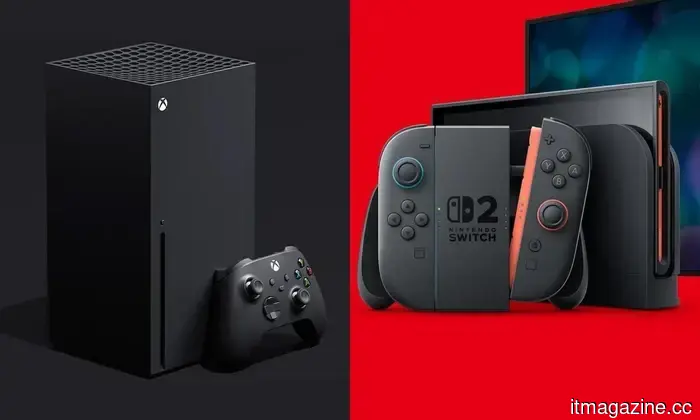
Following the PS5 price increase, Xbox and Nintendo may be the next to raise their prices.
Following Sony's increase in PS5 prices, analysts caution that Xbox and Nintendo may also elevate their console prices owing to escalating component expenses and heightened demand driven by AI.