
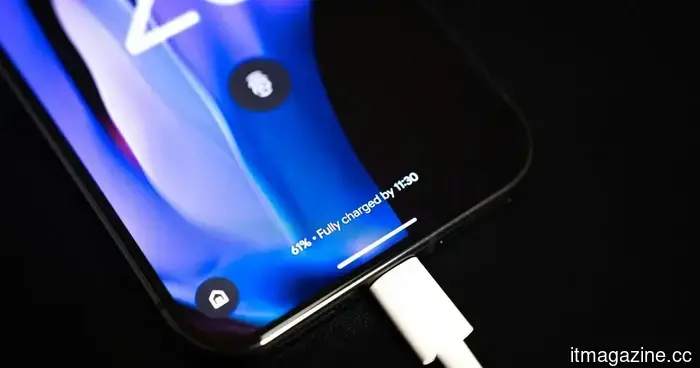
Google is developing a priority charging option for phones to address urgent situations.
Google is developing a priority charging feature intended for situations when a quick power boost is needed. This option was found in the Android 17 beta code by Android Authority, and it aims to maximize usable battery in a brief timeframe without turning off essential phone functions.
Rather than increasing charging speeds, the system reallocates power towards the battery by reducing background activity. While calls and texts continue to come through, less critical tasks are paused, allowing more energy to focus on charging.
This indicates a practical adjustment in charging functionality. The feature is designed for quick recharges before heading out, rather than for extended overnight charging. It also implies better management of heat and performance—two elements that normally restrict the speed at which phones can recharge safely.
Key specifics, such as rollout dates, compatible devices, and real-life benefits, have not yet been confirmed.
An innovative approach to power management
Primarily, the feature modifies how power is allocated during charging. By minimizing background processes, a greater portion of incoming energy is directed straight into the battery.
This method stands apart from traditional fast charging, which typically depends on increased wattage and may generate more heat. Here, the focus is on efficiency, optimizing the use of available power instead of merely enhancing output.
Nadeem Sarwar / Digital Trends
References in the Android 17 beta suggest that brief, impactful charging sessions will be the primary application. The feature might perform optimally with higher wattage chargers, although specific requirements have not been detailed.
There are still unanswered questions: It remains uncertain how much apps will be restricted or whether users will have direct control over this feature.
Importance for everyday usage
Brief charging sessions can often seem unproductive. This feature aims to enhance those moments and make them more effective.
Additionally, it signifies a broader change in charging tactics. Advancements arise from managing system processes instead of pursuing maximum speeds, which may lead to more reliable outcomes across different chargers and settings.
Type C Charger Unsplash
There is also a tradeoff to keep in mind. While this mode is active, background tasks like syncing and updates might be postponed. In urgent situations, this compromise likely makes sense, but the experience needs to be seamless in practice.
When compared to current battery saver or adaptive charging features, this mode is more situational, designed for immediate needs instead of focusing on long-term battery preservation.
Points to monitor moving forward
The feature is still hidden in preliminary Android 17 builds, and its release schedule is not yet clear. Google has not provided information on availability or device compatibility.
Hardware capabilities will probably affect where it is introduced first. It may depend on charging capacities or thermal limitations, suggesting that newer Pixel models might see it implemented before others. Performance expectations remain undefined.
Control is another important aspect to watch. The feature could activate automatically based on usage or be manually triggered when necessary. If it becomes widely available, quick recharges should become significantly more beneficial in daily use.


Other articles
 The stress test on the MacBook Neo indicates that Apple could have implemented a straightforward solution to make it operate at lower temperatures.
Recent tests indicate that the MacBook Neo might operate cooler and faster with the addition of a basic copper plate, revealing the constraints of its fanless design.
The stress test on the MacBook Neo indicates that Apple could have implemented a straightforward solution to make it operate at lower temperatures.
Recent tests indicate that the MacBook Neo might operate cooler and faster with the addition of a basic copper plate, revealing the constraints of its fanless design.
 Meta awards executives stock options worth up to $921 million while laying off 700 employees | TNW
Meta granted stock options to six executives linked to a valuation goal of $9 trillion, just hours before laying off 700 employees in Reality Labs, recruitment, and sales.
Meta awards executives stock options worth up to $921 million while laying off 700 employees | TNW
Meta granted stock options to six executives linked to a valuation goal of $9 trillion, just hours before laying off 700 employees in Reality Labs, recruitment, and sales.
 Android 17 has a neat new technique to prevent AI assistants from shouting in your ears.
Android 17 introduces a dedicated volume control for the assistant, which stops unexpected loud voice responses when you increase the media volume. This minor adjustment significantly enhances the convenience of daily interactions with Gemini and other assistants.
Android 17 has a neat new technique to prevent AI assistants from shouting in your ears.
Android 17 introduces a dedicated volume control for the assistant, which stops unexpected loud voice responses when you increase the media volume. This minor adjustment significantly enhances the convenience of daily interactions with Gemini and other assistants.
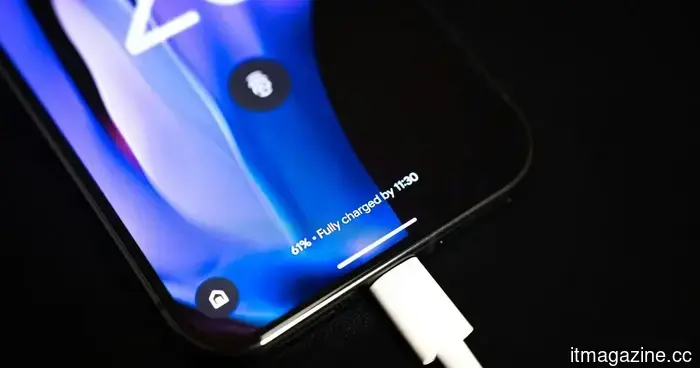 Google is developing a priority charging option for phones designed for urgent situations.
Google is experimenting with a priority charging feature in Android 17 that reallocates power from background activities, allowing your phone to charge more quickly during brief charging periods, while still preserving important functions like calls and texts.
Google is developing a priority charging option for phones designed for urgent situations.
Google is experimenting with a priority charging feature in Android 17 that reallocates power from background activities, allowing your phone to charge more quickly during brief charging periods, while still preserving important functions like calls and texts.
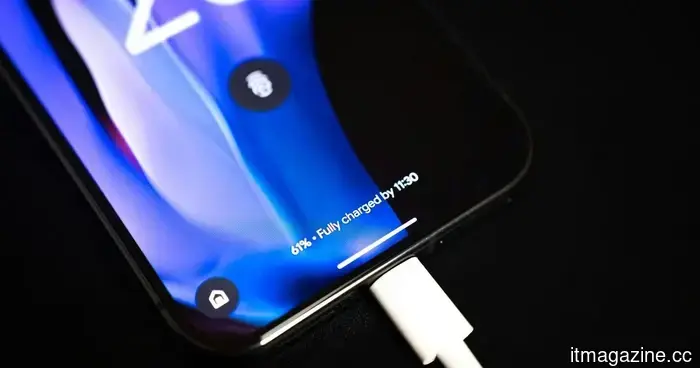 Google is developing a priority charging option for phones to address urgent situations.
Google is experimenting with a priority charging feature in Android 17 that reallocates power from background activities, allowing your phone to charge more quickly during brief charging periods, while still maintaining essential functions like calls and texts.
Google is developing a priority charging option for phones to address urgent situations.
Google is experimenting with a priority charging feature in Android 17 that reallocates power from background activities, allowing your phone to charge more quickly during brief charging periods, while still maintaining essential functions like calls and texts.
 Lucyd Secures 44% Market Share on Amazon for Smart Safety Glasses
Lucyd leads the smart safety glasses market on Amazon with a 44% market share, utilizing certifications, innovation, and multi-channel expansion in anticipation of retail growth by 2026.
Lucyd Secures 44% Market Share on Amazon for Smart Safety Glasses
Lucyd leads the smart safety glasses market on Amazon with a 44% market share, utilizing certifications, innovation, and multi-channel expansion in anticipation of retail growth by 2026.
Google is developing a priority charging option for phones to address urgent situations.
Google is experimenting with a priority charging feature in Android 17 that reallocates power from background activities, allowing your phone to charge more efficiently during brief charging periods, while still enabling vital functions such as calls and texts.