
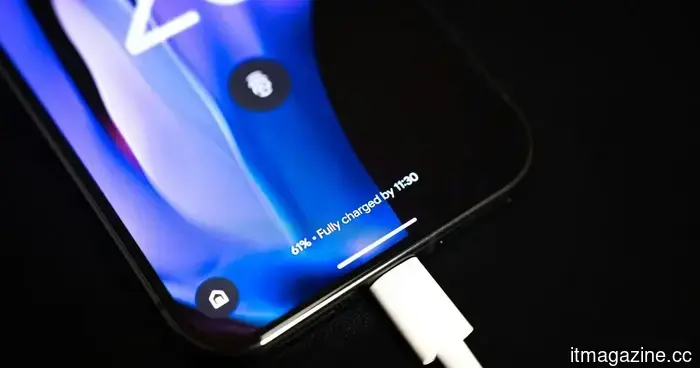
Google is developing a priority charging option for phones designed for urgent situations.
Google is developing a priority charging feature intended for situations when you need to recharge your device quickly. This option, discovered in the Android 17 beta code by Android Authority, aims to increase the usable battery within a short time while maintaining essential phone functions.
Rather than increasing the speed of charging, the system reallocates power to the battery by reducing background activity. While calls and texts continue to arrive, less critical processes are paused to allow more energy to focus on charging.
This represents a practical shift in approach. The feature is meant for quick recharges before leaving, rather than prolonged overnight charging sessions. It also indicates improved management of heat and performance, two aspects that typically affect the safe charging speed of phones.
Key specifics such as when it will be available, which devices will support it, and actual benefits in real-world scenarios have not yet been confirmed.
A smarter approach to power distribution
At its core, this feature modifies how power is allocated during charging. By minimizing background processes, more incoming energy can be directed straight to the battery.
This strategy contrasts with conventional fast charging, which depends on higher wattage and can generate additional heat. Here, the goal is efficiency, optimizing the use of available power instead of just increasing the output.
References within the Android 17 beta suggest that short, impactful charging sessions will be the primary application. It may perform best with higher wattage chargers, although specific requirements aren't detailed.
There are still unanswered questions: It's uncertain how strictly apps will be restricted or if users will have any direct control over the feature.
Importance for everyday use
Short charging periods often feel ineffective. This new feature seeks to enhance the value of those fleeting moments.
It also indicates a broader evolution in charging strategy. Improvements focus on managing system activity rather than merely achieving maximum speeds, which could result in more reliable performance across various chargers and conditions.
There is also a trade-off to consider. Background tasks such as syncing and updates may be deferred while this mode is active. In urgent situations, this compromise is likely reasonable, but it must work seamlessly in practice.
In comparison to existing battery saver or adaptive charging features, this mode is designed for specific situations. It prioritizes urgency over long-term battery health.
What to look for next
The feature is still concealed within the early Android 17 builds, and its release schedule remains uncertain. Google has not provided information regarding availability or compatible devices.
Hardware specifications will likely play a role in where it is implemented first. It may depend on charging capacity or thermal constraints, suggesting that newer Pixel devices might receive it before others. Performance details are still to be determined.
Control is another important aspect to monitor. The feature could be activated automatically based on usage patterns or triggered manually when necessary. If widely released, quick top-ups should become significantly more practical in daily use.

Other articles
 Lucyd Secures 44% Market Share on Amazon for Smart Safety Glasses
Lucyd leads the smart safety glasses market on Amazon with a 44% market share, utilizing certifications, innovation, and multi-channel expansion in anticipation of retail growth by 2026.
Lucyd Secures 44% Market Share on Amazon for Smart Safety Glasses
Lucyd leads the smart safety glasses market on Amazon with a 44% market share, utilizing certifications, innovation, and multi-channel expansion in anticipation of retail growth by 2026.
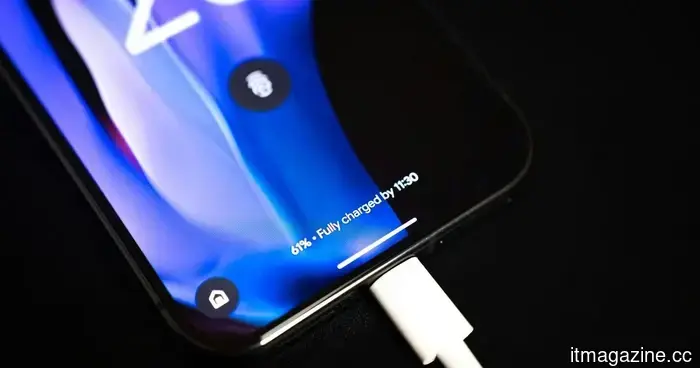 Google is developing a priority charging option for phones to address urgent situations.
Google is experimenting with a priority charging feature in Android 17 that reallocates power from background activities, allowing your phone to charge more quickly during brief charging periods, while still maintaining essential functions like calls and texts.
Google is developing a priority charging option for phones to address urgent situations.
Google is experimenting with a priority charging feature in Android 17 that reallocates power from background activities, allowing your phone to charge more quickly during brief charging periods, while still maintaining essential functions like calls and texts.
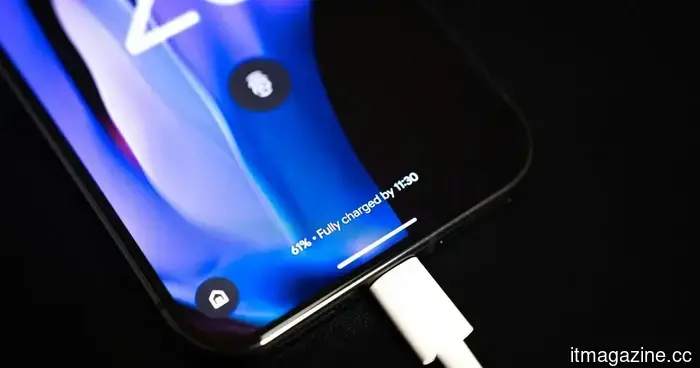 Google is developing a priority charging option for phones to address urgent situations.
Google is experimenting with a priority charging feature in Android 17 that reallocates power from background activities, allowing your phone to charge more efficiently during brief charging periods, while still enabling vital functions such as calls and texts.
Google is developing a priority charging option for phones to address urgent situations.
Google is experimenting with a priority charging feature in Android 17 that reallocates power from background activities, allowing your phone to charge more efficiently during brief charging periods, while still enabling vital functions such as calls and texts.
 The LG C5 OLED evo is now priced at $1,399 after a $1,300 discount, and no other option at this price offers comparable picture quality.
The LG C5 swiftly became the leading recommendation for OLEDs in 2025, and it is currently priced at $1,399.99 at Best Buy, which is a $1,300 reduction from its original price of $2,699.99. This nearly half-off deal for a 65-inch OLED evo screen featuring LG’s latest AI picture processing is the sort of discount that makes […]
The LG C5 OLED evo is now priced at $1,399 after a $1,300 discount, and no other option at this price offers comparable picture quality.
The LG C5 swiftly became the leading recommendation for OLEDs in 2025, and it is currently priced at $1,399.99 at Best Buy, which is a $1,300 reduction from its original price of $2,699.99. This nearly half-off deal for a 65-inch OLED evo screen featuring LG’s latest AI picture processing is the sort of discount that makes […]
 Meta awards executives stock options worth up to $921 million while laying off 700 employees | TNW
Meta granted stock options to six executives linked to a valuation goal of $9 trillion, just hours before laying off 700 employees in Reality Labs, recruitment, and sales.
Meta awards executives stock options worth up to $921 million while laying off 700 employees | TNW
Meta granted stock options to six executives linked to a valuation goal of $9 trillion, just hours before laying off 700 employees in Reality Labs, recruitment, and sales.
 Lucyd Secures 44% Market Share on Amazon for Smart Safety Glasses
Lucyd leads the smart safety glasses market on Amazon with a 44% share, utilizing certifications, innovation, and multi-channel growth in anticipation of retail expansion by 2026.
Lucyd Secures 44% Market Share on Amazon for Smart Safety Glasses
Lucyd leads the smart safety glasses market on Amazon with a 44% share, utilizing certifications, innovation, and multi-channel growth in anticipation of retail expansion by 2026.
Google is developing a priority charging option for phones designed for urgent situations.
Google is experimenting with a priority charging feature in Android 17 that reallocates power from background activities, allowing your phone to charge more quickly during brief charging periods, while still preserving important functions like calls and texts.