
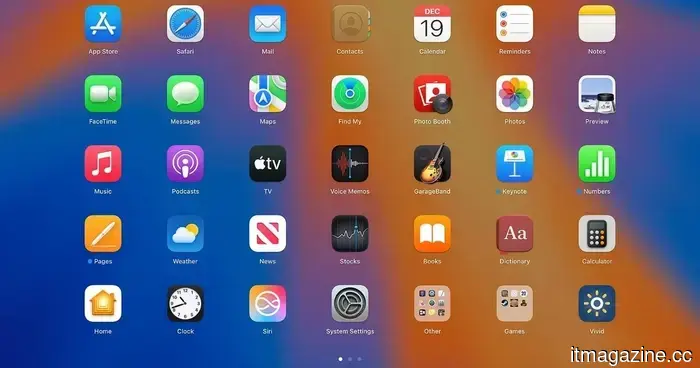
Apple has discontinued Launchpad and is now hindering its alternative.
Apple removed Launchpad in macOS Tahoe, and it isn't allowing developers to reinstate it either. A new application called AppGrid replicates the well-known grid-style launcher, but Apple is rejecting updated versions based on guidelines that disallow apps from imitating system features.
This situation places users in an unusual predicament. Although the app is still available for purchase, it won't receive updates within Apple’s store, raising significant concerns about the implementation of these rules.
The developer created AppGrid as a substitute for what was taken out in Tahoe. However, when updates were submitted, Apple turned them down for mimicking a system feature that is no longer present, underscoring a notable conflict in platform management.
Apple's regulation prevents updates but not sales
AppGrid has not been removed from the market, which complicates the scenario further. The app can still be downloaded, but new versions are being rejected, leaving purchasers with a version that cannot be enhanced through the store.
Apple's stance stems from its long-standing policy against duplicating essential system interfaces. Reviewers flagged the grid format as being too similar to the previous Launchpad design, even though that layout has already been eliminated from macOS.
Developers argue that since the feature has been removed, there is nothing left to replicate, yet Apple continues to treat that design as safeguarded.
For users, this has real-world consequences. Bugs may persist longer, and significant enhancements rely on updates distributed outside the App Store.
Why this appears inconsistent
Other Mac applications are already venturing into similar realms. Some provide grid-based launchers or customizable layouts that echo Launchpad, even if they do not copy it exactly. AppGrid closely aligns with that original experience, but it isn’t functioning independently.
A general launcher is permissible, yet the line between inspiration and imitation is not clearly defined, leaving developers uncertain about what will be approved.
Apple
The timing adds to the difficulty of ignoring this issue. Tahoe eliminated Launchpad without providing a direct alternative, creating a void that third-party applications are trying to fill. Rather than encouraging this, enforcement appears to be stricter.
This ambiguity might discourage developers from replicating familiar tools, despite user demand for their return.
What to do next if you want Launchpad back
Currently, the most dependable option lies outside of Apple’s ecosystem. The creator of the app is continuing its development independently, offering updates through direct downloads instead of depending on the App Store.
This approach has its drawbacks. Users will receive quicker updates and a closer resemblance to the former experience, but they will also forfeit the ease of automatic updates and centralized distribution.
There is no indication that Apple intends to revisit this rule. It has been part of the App Store for several years, and this instance suggests it continues to be enforced even after a feature has been removed.
If you depended on Launchpad, your next course of action will depend on what is more important to you. You can continue using what macOS Tahoe provides today or install a third-party alternative that restores the experience, even if it isn't available through Apple’s store.

Other articles
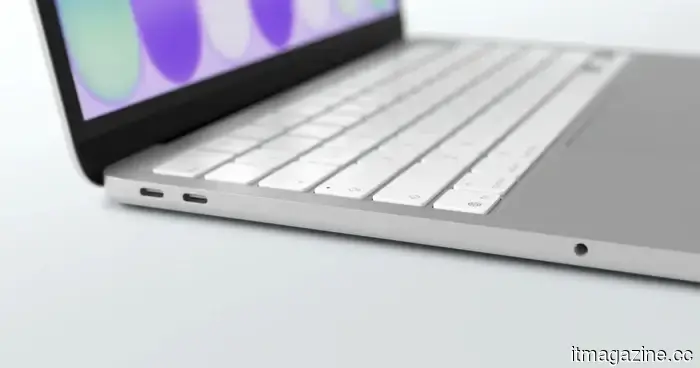 macOS 26.4 introduces a convenient charging feature that Windows laptops have offered for years.
macOS 26.4 introduces a new "Slow Charger" notification that informs you when your MacBook is plugged into a low-powered adapter or cable, simplifying the process of identifying slow charging problems.
macOS 26.4 introduces a convenient charging feature that Windows laptops have offered for years.
macOS 26.4 introduces a new "Slow Charger" notification that informs you when your MacBook is plugged into a low-powered adapter or cable, simplifying the process of identifying slow charging problems.
 Sony will not reintroduce the Vita, but Anbernic has.
Anbernic's latest RG Vita series draws inspiration from the PlayStation Vita, featuring contemporary specifications, support for Android/Linux, and an emphasis on retro gaming.
Sony will not reintroduce the Vita, but Anbernic has.
Anbernic's latest RG Vita series draws inspiration from the PlayStation Vita, featuring contemporary specifications, support for Android/Linux, and an emphasis on retro gaming.
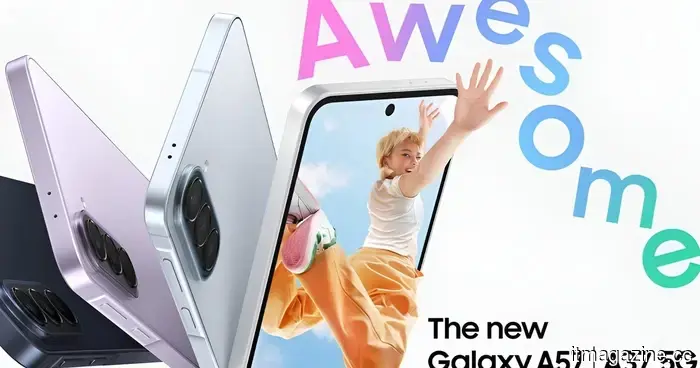 Samsung's Galaxy A57 stands out as an uncommon success in terms of repairability.
Over the years, smartphones have not become much easier to repair. In fact, many current models are sealed with glue and resist attempts at opening them when something malfunctions inside. This is what makes the Samsung Galaxy A57 a refreshing change. A recent disassembly of this new mid-range device shows that Samsung designed it in a way that…
Samsung's Galaxy A57 stands out as an uncommon success in terms of repairability.
Over the years, smartphones have not become much easier to repair. In fact, many current models are sealed with glue and resist attempts at opening them when something malfunctions inside. This is what makes the Samsung Galaxy A57 a refreshing change. A recent disassembly of this new mid-range device shows that Samsung designed it in a way that…
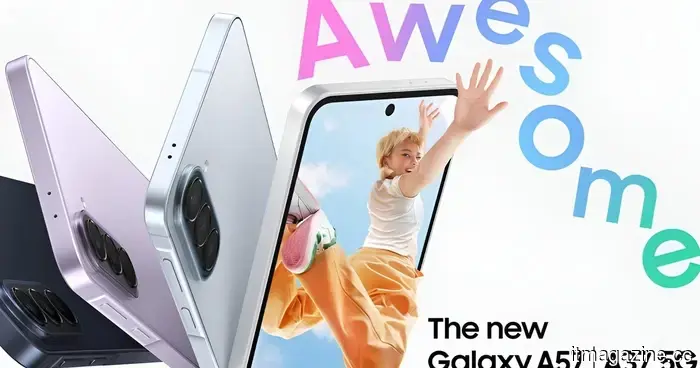 Samsung's Galaxy A57 stands out as an uncommon success in terms of repairability.
Smartphones have not become easier to repair over the years. In fact, many contemporary devices are now sealed with glue and resist repair when internal components fail. This is what makes the Samsung Galaxy A57 refreshing. Recommended Videos A recent disassembly of this new mid-range model shows that Samsung designed it in a way that […]
Samsung's Galaxy A57 stands out as an uncommon success in terms of repairability.
Smartphones have not become easier to repair over the years. In fact, many contemporary devices are now sealed with glue and resist repair when internal components fail. This is what makes the Samsung Galaxy A57 refreshing. Recommended Videos A recent disassembly of this new mid-range model shows that Samsung designed it in a way that […]
 Walmart's upcoming action might transform your Google TV configuration.
Walmart might be getting ready to launch a new Google TV streaming device along with a range of Onn smart TVs, indicating a larger initiative to expand into cost-effective home entertainment equipment centered on a single platform.
Walmart's upcoming action might transform your Google TV configuration.
Walmart might be getting ready to launch a new Google TV streaming device along with a range of Onn smart TVs, indicating a larger initiative to expand into cost-effective home entertainment equipment centered on a single platform.
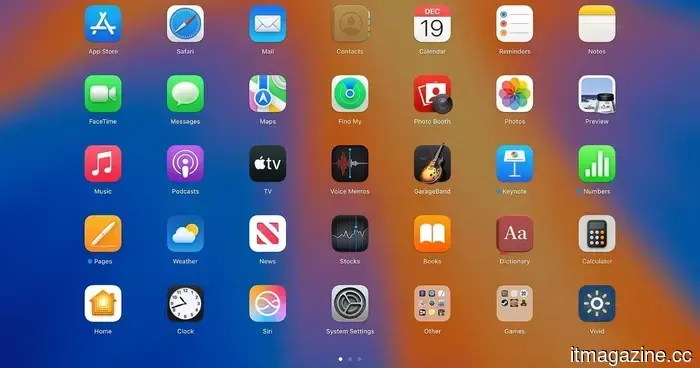 Apple has discontinued Launchpad and is now preventing the alternative.
Apple has eliminated Launchpad in macOS Tahoe and is also preventing apps that attempt to restore it, resulting in limited choices for Mac users and leaving developers facing ambiguous App Store regulations.
Apple has discontinued Launchpad and is now preventing the alternative.
Apple has eliminated Launchpad in macOS Tahoe and is also preventing apps that attempt to restore it, resulting in limited choices for Mac users and leaving developers facing ambiguous App Store regulations.
Apple has discontinued Launchpad and is now hindering its alternative.
Apple has eliminated Launchpad in macOS Tahoe, and it is also preventing apps that attempt to restore it, resulting in reduced choices for Mac users and leaving developers to deal with ambiguous App Store guidelines.