
My life became a subscription nightmare, but I eliminated the unwanted charges with these methods.
There was a time when subscriptions seemed like a novelty, marked by periods of (digital) tranquility. New apps featuring a smooth payment option offered unlimited access for a month. You would subscribe to Netflix and maybe Spotify, and that would usually be it.
Today, it’s a landscape filled with streaming services, cloud storage, fitness apps, editing tools, AI chatbots, and forgotten free trials from weeks ago, among much else. The subscription economy hasn’t just expanded; it has surged, impacting almost every aspect of the digital realm.
This prevalence has led to noticeable subscription fatigue, which feels even more pronounced in 2026. Many people believed they weren't spending excessively, but it's clear that they are. The model of recurring payments has become minimal in cost, automatic, and easy to overlook.
Many have started to view charges of $5.99 or $10.00 as inconsequential, while, in reality, these charges accumulate into a more significant burden over time. The concept of subscription fatigue isn't merely about greed or convenience; it's significantly about its invisibility.
Why subscription fatigue is more challenging than typical spending
People often think carefully before making large purchases, and occasionally, that one-time payment can sting a bit. However, with time, that feeling diminishes. Subscriptions function differently; you don’t notice their presence as they quietly take small amounts from your account, making them feel like a larger drain than a single significant expense. While the discomfort is less dramatic, it’s a constant presence.
While clearer cancellation policies could help mitigate subscription traps, reports indicate that behavioral tendencies such as inertia and auto-renewals lead people to continue paying for services long after they've lost interest. Increasing visibility can assist; individuals don’t need added guilt or yet another lecture about "better financial habits."
Making them all visible
Want to simplify your life? The answer is straightforward: gather them all together. It’s akin to organizing your bills, but it’s much easier with a smartphone. When all your subscriptions are in one place, they cease to feel abstract and begin to resemble real financial trends.
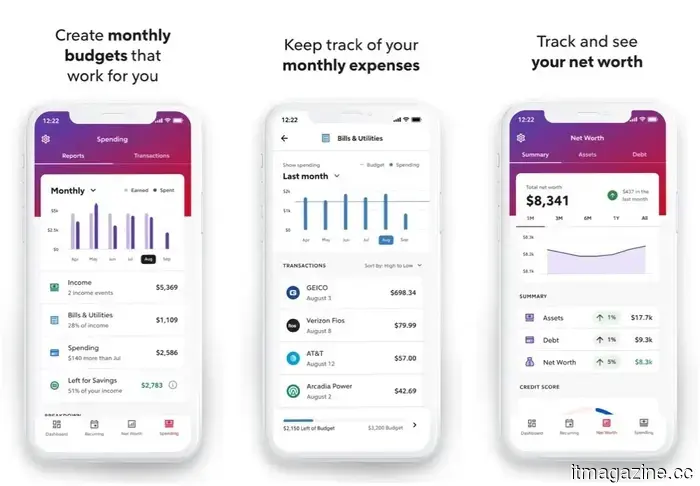
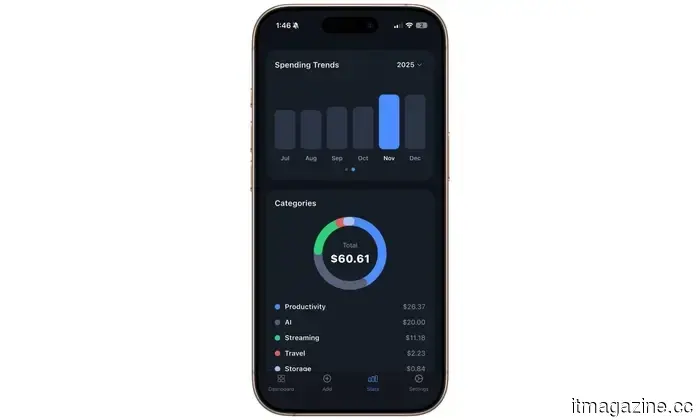
Apps exist that monitor your bill payments and overall spending, but there are also specialized applications dedicated solely to tracking subscriptions. These apps break down the barriers that conceal your subscriptions, presenting them clearly for your review.
And you might not like the insights they provide.
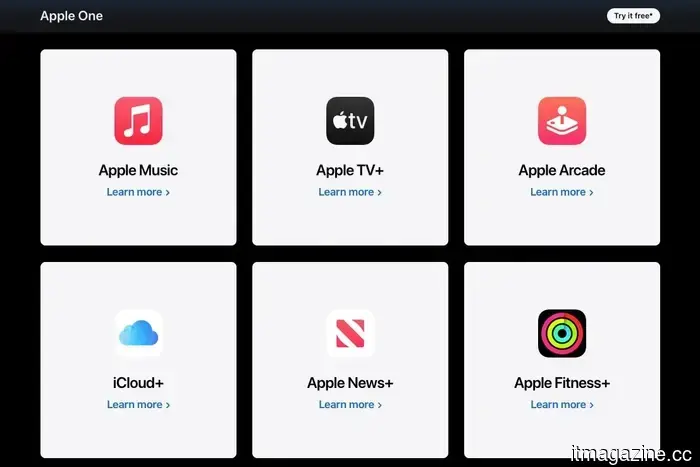
Apple has a basic function allowing users to terminate any Apple Store subscriptions directly. However, many recurring payments exist outside the App Store. So, if you aim to tidy up, you might require professional assistance.
The best subscription apps aren't necessarily the flashiest
Most individuals prefer to avoid complicated finance dashboards, leading to a genuine demand for simple, streamlined, and easy-to-use tools. Keeping that in mind, here are a few popular names when discussing effective subscription managers:
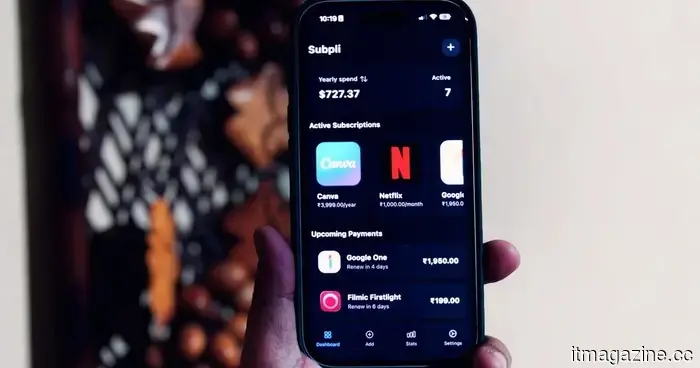
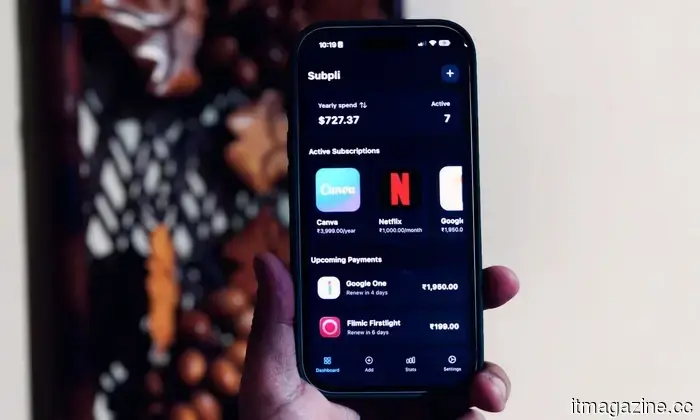
Subpli first caught our eye for being a free, ad-free app that doesn’t require mandatory sign-up. It provides renewal reminders, category filters, monthly and annual totals, and even a guest mode.
Bobby has been a known choice for iPhone users for some time, highlighting hundreds of built-in subscription templates, due-date alerts, and a clearer overview of fixed monthly expenses.
Rocket Money adopts a more assertive, finance-first strategy compared to simpler tracker apps. It markets itself as a service that will identify subscriptions for you, eliminating the need to manually log recurring payments while offering a concierge-like experience for canceling unwanted services. This appeal is particularly evident for those seeking a comprehensive money management tool.
Subby is another excellent option specifically for Android users. It’s straightforward, focusing on the essentials, like tracking subscriptions and recurring bills in one dashboard, providing cancellation reminders before renewals, and supporting multiple currencies. Pro users also enjoy extras like widgets and Google Drive backup.
It’s becoming a policy issue
Subscription fatigue has evolved beyond a personal finance concern. In the UK, the government has proposed stricter regulations against “subscription traps,” including clearer information prior to signing up, renewal notifications, a 14-day cooling-off period after free trials, and simplified cancellation processes. The government estimates that unwanted subscriptions cost UK consumers around £1.6 billion annually due to nearly 10 million of the country’s 155 million active subscriptions being considered unwanted.
Consumer data presents a similar narrative. Surveys indicate that US adults spend approximately $91 monthly on subscriptions, with nearly half forgetting to cancel a free trial. Younger individuals are also more susceptible to falling into this trap.
Subscription fatigue doesn’t seem likely to fade, but it’s time to take action
Companies favor the recurring-revenue model, and as consumers remain drawn to its convenience, this model is likely here to stay. The key question is whether users can regain some control.
The answer is affirmative, but it requires effort. Taking proactive steps like checking Apple’s built-in subscription page, combing through your inbox for renewal emails, and using a tracking app will empower you. Basic visibility is what subscription culture and modern applications are designed
Other articles
 How BNESIM leverages AI to transform travel eSIM and enhance global connectivity.
BNESIM discusses the impact of AI on travel eSIM, customer support, fraud prevention, and global connectivity in the fast-changing telecommunications environment.
How BNESIM leverages AI to transform travel eSIM and enhance global connectivity.
BNESIM discusses the impact of AI on travel eSIM, customer support, fraud prevention, and global connectivity in the fast-changing telecommunications environment.
 Nvidia's CEO Jensen Huang claims that we have reached AGI. But what exactly does that mean?
Jensen Huang's assertion that AGI is already present has sparked renewed discussion, as experts continue to be split on what truly constitutes human-level artificial intelligence.
Nvidia's CEO Jensen Huang claims that we have reached AGI. But what exactly does that mean?
Jensen Huang's assertion that AGI is already present has sparked renewed discussion, as experts continue to be split on what truly constitutes human-level artificial intelligence.
 Nvidia's CEO Jensen Huang claims that we have reached AGI. But what exactly is it?
Jensen Huang's assertion that AGI is already present has sparked renewed discussion, as experts remain divided on what constitutes human-level artificial intelligence.
Nvidia's CEO Jensen Huang claims that we have reached AGI. But what exactly is it?
Jensen Huang's assertion that AGI is already present has sparked renewed discussion, as experts remain divided on what constitutes human-level artificial intelligence.
 Energy Vault purchases a 175 MW battery storage project located near Dallas.
Energy Vault acquired a 175 MW battery storage project in ERCOT North from Belltown Power, furthering its plan to deploy 1,500 MW and enhance its AI infrastructure.
Energy Vault purchases a 175 MW battery storage project located near Dallas.
Energy Vault acquired a 175 MW battery storage project in ERCOT North from Belltown Power, furthering its plan to deploy 1,500 MW and enhance its AI infrastructure.
 How BNESIM utilizes AI to transform travel eSIM and worldwide connectivity
BNESIM describes how artificial intelligence is reshaping travel eSIM, enhancing customer support, improving fraud detection, and strengthening global connectivity in a fast-changing telecommunications environment.
How BNESIM utilizes AI to transform travel eSIM and worldwide connectivity
BNESIM describes how artificial intelligence is reshaping travel eSIM, enhancing customer support, improving fraud detection, and strengthening global connectivity in a fast-changing telecommunications environment.
 iOS 26.4 has arrived, featuring Playlist Playground, new emojis, and a fix for Family Sharing issues.
iOS 26.4 doesn't change the game, but it subtly addresses issues that should have been resolved long ago — and it also introduces an AI playlist generator that's truly enjoyable to use.
iOS 26.4 has arrived, featuring Playlist Playground, new emojis, and a fix for Family Sharing issues.
iOS 26.4 doesn't change the game, but it subtly addresses issues that should have been resolved long ago — and it also introduces an AI playlist generator that's truly enjoyable to use.
My life became a subscription nightmare, but I eliminated the unwanted charges with these methods.
There was once a period when subscriptions seemed like an exciting new trend. Those days were marked by (digital) tranquility. A smooth payment option on trendy apps offered endless access (for the month). You subscribed to Netflix, and perhaps Spotify, and that was typically it. Today, it’s all about streaming services, cloud storage, fitness applications, editing tools, AI chatbots, […]