
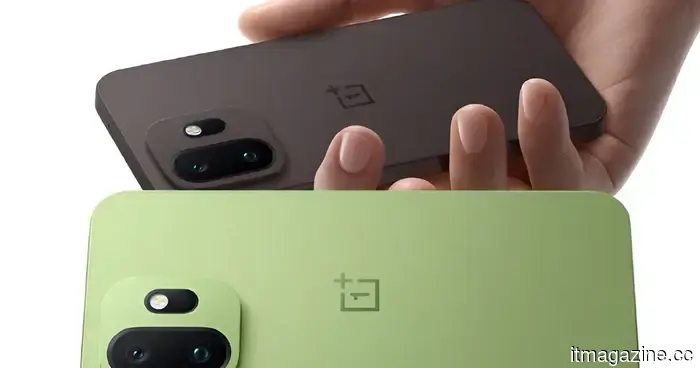
OnePlus is speculated to be leaving the US and European markets once more...
OnePlus may be withdrawing from Western markets
Just when it appeared that the situation was stable, fresh rumors have emerged about OnePlus potentially reducing its global operations once again.
A recent leak indicates that the company might be planning to cease its activities in the US and Europe, while maintaining its focus on Asian markets like China. This isn't the first time such claims have surfaced; similar reports arose earlier this year but were quickly denied by the company. However, this discussion is now resurfacing.
What do the new rumors entail?
It seems that the company is not heading for an abrupt termination, but rather a gradual withdrawal.
OnePlus is exiting selected global markets, with its Chinese operations remaining unaffected. The Indian market will primarily receive budget and mid-range products— a development not favorable for customers in the US, UK, and EU, according to Yogesh Brar (@heyitsyogesh) on March 23, 2026.
Over the last few years, OnePlus has already diminished its presence in Western markets, with dwindling carrier partnerships in North America, a reduced retail footprint, and most sales concentrated online. Hence, this potential “exit” could simply represent the final phase of an ongoing trend.
The report hints at a possible exit from the US, UK, and Europe, while also suggesting that OnePlus may continue its operations in other significant markets, particularly in Asia. Regions such as China and India have historically been strong for the brand.
However, there is a caveat.
Operations in the Chinese market are expected to remain stable, although OnePlus India will reportedly focus mostly on budget and mid-range models going forward.
What does this imply?
If OnePlus proceeds with this strategy, it may impact:
- Availability of upcoming devices in Western markets.
- Local sales and distribution avenues.
- Long-term sustainability in the US, UK, and Europe.
Nonetheless, as the report lacks specific details, it remains unclear whether this would constitute a complete departure or merely a gradual reduction in operations.
---
Tech journalist and product reviewer specializing in consumer electronics, Sean has covered everything from flagship products to emerging trends.
Apple finally adopts Google's approach to ads in Maps
Apple is venturing into ad territory with Apple Maps, which could transform how a billion users discover, navigate, and spend within the navigation app.
Apple is officially following Google's strategy by planning to implement ads in Apple Maps, enabling businesses to purchase visible space in the app's search results. The company's services division currently generates over $100 billion annually, making monetizing Maps the next logical advancement. With millions of users accessing the app on iPhones, Apple Watches, and CarPlay dashboards, it presents a prime audience for targeted advertising.
---
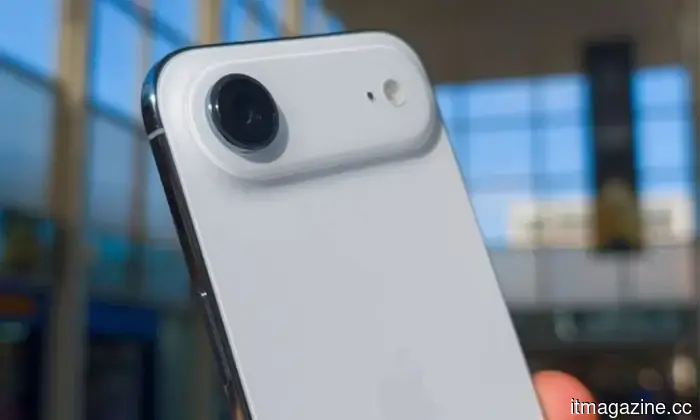
iPhone Air significantly outsells Samsung’s thin phone, as well as Apple’s retired Plus model
The iPhone Air has surpassed the Plus model in sales and is outpacing Samsung's slim offering three-to-one.
My favorite modern iPhone was the iPhone 13 Mini, which addressed the battery issues of the iPhone 12 Mini while maintaining a one-handed design. Unfortunately, it did not achieve substantial sales, leading Apple to replace it with a Plus model. Even the Plus model failed to garner public interest, resulting in its quiet discontinuation last year in favor of the more refined iPhone Air. Initial reports indicated that the iPhone Air was struggling in sales and seemed like another failure; however, new data from Ookla’s Speedtest Intelligence suggests that these claims may have been overstated.
---
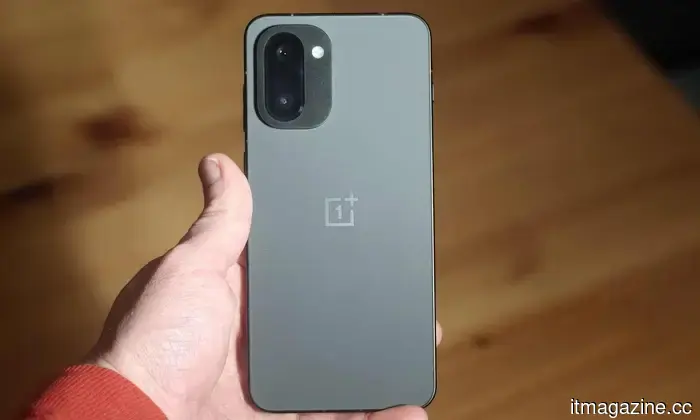
The memory crisis could revive expandable storage in smartphones
As phone prices rise, expandable storage may emerge as a potential solution.
The ongoing memory shortage is beginning to impact smartphone manufacturers, with consumers feeling the effects through increased pricing and specifications. Recent reports indicate that the costs associated with high-end RAM and storage configurations have surpassed those of flagship processors, leading to a significant change in smartphone manufacturing. This is noteworthy, as the processor has typically been the most costly component, but now memory appears to be taking that premium position.



Other articles
 Credo Ventures completes $88M fifth fund to continue being the initial investment for Central and Eastern Europe's most ambitious entrepreneurs.
The firm from Prague and Krakow, which made its initial investments in UiPath and ElevenLabs, is intensifying its focus on pre-seed funding in Central and Eastern Europe as well as among its global diaspora. The team consists of six partners, and they typically write checks ranging from $1 to $5 million. Credo Ventures has finalized its funding round.
Credo Ventures completes $88M fifth fund to continue being the initial investment for Central and Eastern Europe's most ambitious entrepreneurs.
The firm from Prague and Krakow, which made its initial investments in UiPath and ElevenLabs, is intensifying its focus on pre-seed funding in Central and Eastern Europe as well as among its global diaspora. The team consists of six partners, and they typically write checks ranging from $1 to $5 million. Credo Ventures has finalized its funding round.
 IRONSCALES introduces AI email agents and threat intelligence at RSAC.
At RSAC 2026, IRONSCALES introduces three AI email security agents and launches a new threat intelligence series aimed at addressing the rise in AI-driven phishing attacks.
IRONSCALES introduces AI email agents and threat intelligence at RSAC.
At RSAC 2026, IRONSCALES introduces three AI email security agents and launches a new threat intelligence series aimed at addressing the rise in AI-driven phishing attacks.
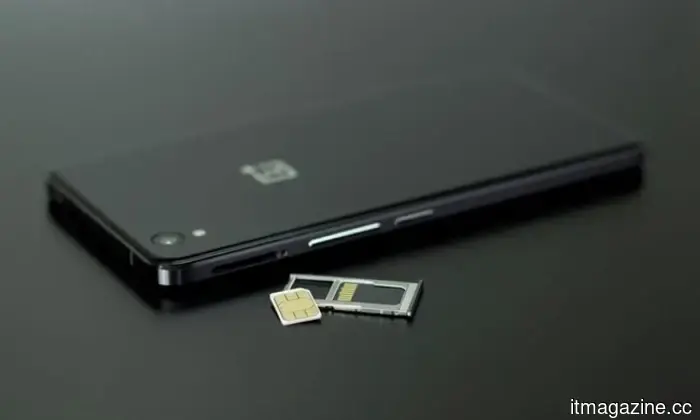
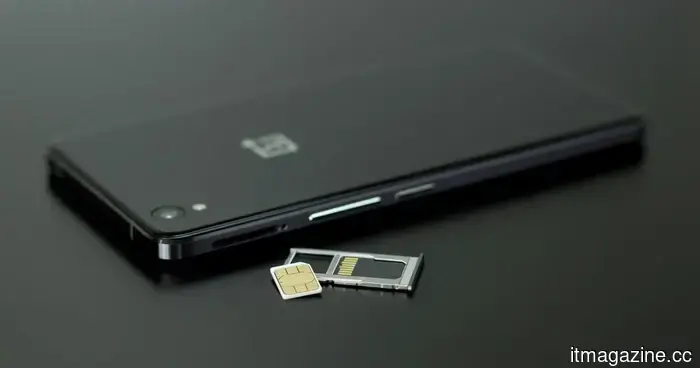 The memory crisis could lead to the return of expandable storage on smartphones.
With the increase in RAM and storage prices, smartphone manufacturers might consider hybrid storage options such as microSD cards to manage expenses.
The memory crisis could lead to the return of expandable storage on smartphones.
With the increase in RAM and storage prices, smartphone manufacturers might consider hybrid storage options such as microSD cards to manage expenses.
 Laifen Spring Sale 2026: Enhance Your Grooming Routine With Intelligent Technology and Significant Savings
Laifen is launching its Spring Sale 2026, offering attractive discounts on its personal care products, making it an ideal moment to enhance your daily routine. The sale will take place from March 21 to March 31, 2026, featuring discounts of up to 25%, along with extra savings on Amazon through special coupon codes. [...]
Laifen Spring Sale 2026: Enhance Your Grooming Routine With Intelligent Technology and Significant Savings
Laifen is launching its Spring Sale 2026, offering attractive discounts on its personal care products, making it an ideal moment to enhance your daily routine. The sale will take place from March 21 to March 31, 2026, featuring discounts of up to 25%, along with extra savings on Amazon through special coupon codes. [...]
 Human therapists staged a strike to protest against being replaced by AI counselors.
Are AI chatbots on the verge of taking over the role of your therapist? That concern prompted 2,400 mental health providers from Kaiser Permanente to go on strike.
Human therapists staged a strike to protest against being replaced by AI counselors.
Are AI chatbots on the verge of taking over the role of your therapist? That concern prompted 2,400 mental health providers from Kaiser Permanente to go on strike.
 The Munich-based startup Interloom has secured $16.5 million in funding.
Munich-based startup Interloom has secured $16.5 million in a round led by DN Capital, aimed at developing a system that continuously tracks how businesses make operational decisions.
The Munich-based startup Interloom has secured $16.5 million in funding.
Munich-based startup Interloom has secured $16.5 million in a round led by DN Capital, aimed at developing a system that continuously tracks how businesses make operational decisions.
OnePlus is speculated to be leaving the US and European markets once more...
Recent reports indicate that OnePlus might reduce its presence in Western markets or even withdraw entirely, suggesting a potential pivot towards concentrating on Asia.