
Nvidia's gaming GPU roadmap has encountered an unusual obstacle.
Memory shortages and surging AI demand are causing NVIDIA to alter its RTX plans for 2026 and beyond.
NVIDIA is reportedly planning to forgo the release of new gaming graphics chips in 2026, which is an unusual and unexpected development in a sector where new GPUs typically debut every year. According to a report from The Information, limitations in the global memory market, primarily due to the rising demand for AI accelerators and data-center memory, have resulted in NVIDIA having insufficient memory, leading to delays in its intended RTX 50 Super refresh and a reduced focus on gaming GPUs this year.
This situation could result in a notable gap in NVIDIA’s product cycle. Even the forthcoming flagship GPUs, the highly awaited RTX 60 series, are now anticipated to be postponed longer than gamers had hoped, with production potentially extending into 2028 as memory shortages persist. Reports suggest that NVIDIA has even slowed down production of certain existing RTX 50 series cards to allocate memory for AI-centric chips.
This is significant for gamers and the GPU market.
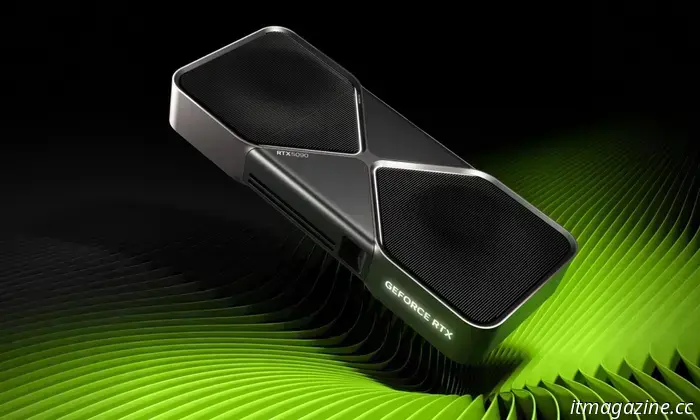
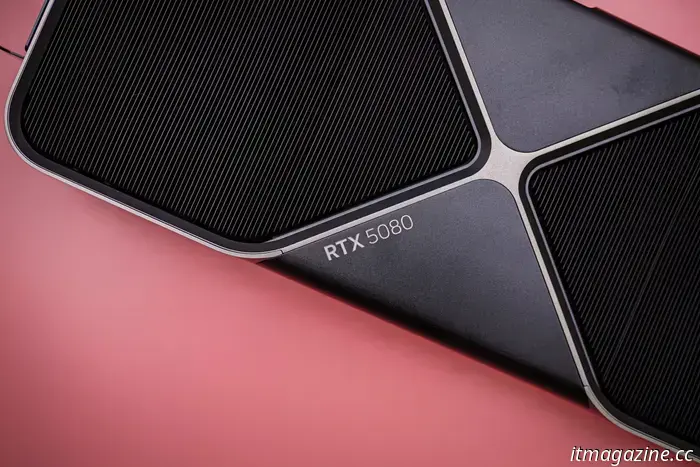
For gaming enthusiasts, the absence of new NVIDIA GPUs in 2026 is more than just a letdown. It may significantly affect upgrade strategies and pricing within the entire PC market. NVIDIA’s RTX 50 series, which includes cards like the RTX 5090 and RTX 5080 launched in 2025, was intended to follow the RTX 40 generation and sustain performance improvements. However, due to a scarcity of memory chips and the diversion of resources to AI, NVIDIA seems to be putting aside the anticipated “Super” refresh that was supposed to debut earlier this year.
The global memory shortage has been exacerbating for months as memory manufacturers have been reallocating production towards high-bandwidth memory (HBM) and other components tailored for AI workloads. This shift has led to increased prices for consumer-oriented memory such as GDDR and DDR, making it more challenging and costly for companies like NVIDIA to obtain sufficient supplies for gaming GPUs while also meeting the soaring demand from AI data centers.
Perhaps the more surprising aspect is not just the postponed refresh but the lack of any new gaming GPU releases for the first time in decades. Consequently, the previously reliable schedule of mid-year refreshes and generational launches is being replaced by shortages and strategic prioritization. Under these circumstances, NVIDIA’s gaming lineup may depend on the existing RTX 50 cards for a longer duration than expected, and prices for current GPUs could remain elevated as consumers await the next substantial performance upgrade. Currently, NVIDIA has not officially commented on the delays, but as things stand, the usual pattern of GPU releases is being disrupted, leaving gamers to hold on to their existing hardware longer than they had anticipated.



Other articles
 Gemini’s Circle for locating lost shares may require a workaround on certain phones.
Circle to Search may have removed its Share option on certain Android devices. According to reports, this issue is linked to a beta version of a Google app, and one potential solution involves resetting the app or reverting to the stable version.
Gemini’s Circle for locating lost shares may require a workaround on certain phones.
Circle to Search may have removed its Share option on certain Android devices. According to reports, this issue is linked to a beta version of a Google app, and one potential solution involves resetting the app or reverting to the stable version.
 Civilization VII on Apple Arcade delivers a major PC strategy game directly to your mobile device.
Civilization VII on Apple Arcade is now available for iPhone, iPad, and Mac, allowing a single campaign to be carried over across Apple devices. At launch, there is no multiplayer option, and hardware limitations impact larger maps.
Civilization VII on Apple Arcade delivers a major PC strategy game directly to your mobile device.
Civilization VII on Apple Arcade is now available for iPhone, iPad, and Mac, allowing a single campaign to be carried over across Apple devices. At launch, there is no multiplayer option, and hardware limitations impact larger maps.
 Honor receives recognition for its innovations as the fastest-growing brand, surpassing Apple and Samsung.
According to a recent research report, Honor stood out as one of the top performers in 2025, achieving record growth. Omdia's latest analysis reveals that the brand's shipments increased by 11% year-over-year, surpassing rivals such as Xiaomi, Oppo, and Vivo. The report highlights that total global smartphone shipments rose by 2% overall, with Apple at the forefront of the market, reporting […]
Honor receives recognition for its innovations as the fastest-growing brand, surpassing Apple and Samsung.
According to a recent research report, Honor stood out as one of the top performers in 2025, achieving record growth. Omdia's latest analysis reveals that the brand's shipments increased by 11% year-over-year, surpassing rivals such as Xiaomi, Oppo, and Vivo. The report highlights that total global smartphone shipments rose by 2% overall, with Apple at the forefront of the market, reporting […]
 SpaceX might be looking into a Starlink phone, although Elon Musk claims otherwise.
According to reports, SpaceX is considering a mobile device that would connect directly to its Starlink satellite network; however, Elon Musk has refuted these plans.
SpaceX might be looking into a Starlink phone, although Elon Musk claims otherwise.
According to reports, SpaceX is considering a mobile device that would connect directly to its Starlink satellite network; however, Elon Musk has refuted these plans.
 Sony has announced that it will reveal its next-generation WF-1000XM6 earbuds next week.
Sony has hinted at the arrival of the WF-1000XM6 earbuds, with a launch date set for February 12.
Sony has announced that it will reveal its next-generation WF-1000XM6 earbuds next week.
Sony has hinted at the arrival of the WF-1000XM6 earbuds, with a launch date set for February 12.
 This revival of the Nokia N8 transforms a flagship from 2010 into a functional retro phone.
A fan-created firmware known as Reborn is breathing new life into the 2010 Nokia N8 in 2026, featuring updated web certificates, simplified app installations, and a revamped method for exploring classic Symbian software.
This revival of the Nokia N8 transforms a flagship from 2010 into a functional retro phone.
A fan-created firmware known as Reborn is breathing new life into the 2010 Nokia N8 in 2026, featuring updated web certificates, simplified app installations, and a revamped method for exploring classic Symbian software.
Nvidia's gaming GPU roadmap has encountered an unusual obstacle.
Nvidia might forgo new consumer gaming GPUs in 2026 because of worldwide memory shortages, postponing the launches of RTX 50 Super and RTX 60.