
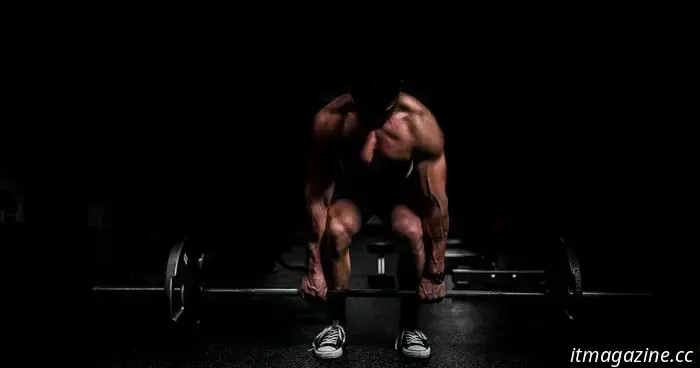
How AI could help you become fitter than ever by 2026.
AI has already transformed how we work, travel, and communicate, and we continue to discover new applications for it every day.
In the past year, I’ve utilized AI to refine my fitness objectives, and I’ve come to appreciate how beneficial this tool could have been when I first embarked on my fitness journey. If you’re diving into fitness for your New Year’s resolution—whether it's your first time or not—I’ve highlighted several significant ways AI can greatly assist you in achieving success.
From aiding in weight loss to enhancing your cardio or building muscle (or all of these), your likelihood of success will increase significantly, with much less stress involved.
Meal planning, workout structuring, managing injuries, and maintaining consistency have always posed the greatest challenges in getting fit. Questions like “What should I eat?” “How much should I consume?” “Which exercises are safe?” and “Am I doing this correctly?” can be overwhelming, especially with other life responsibilities—work, kids, bills—demanding your mental and physical energy.
AI can help address all these queries and more, lowering the barriers to entry and preventing burnout from taking on too much at once.
Here’s to a new you in 2026…
Nutrition is crucial—and AI simplifies it
Digital Trends
The most vital aspect of losing weight and getting fitter is not the hours spent in the gym or on a treadmill but rather your diet. Your food choices and portions will greatly influence your success more than any exercise plan.
The balance of calories consumed versus calories burned is essential. If you ingest fewer calories than your body expends each day, your body will utilize stored fat for energy. Maintain that deficit consistently for 12 weeks, and losing 5–7% of your body weight is entirely achievable without extreme dieting.
The challenge has always been in the implementation. Meal planning is effective—especially preparing a week’s worth of food in advance—but calculating calories, balancing macronutrients, and devising meals that don’t require culinary expertise used to be incredibly tedious.
AI has revolutionized this process.
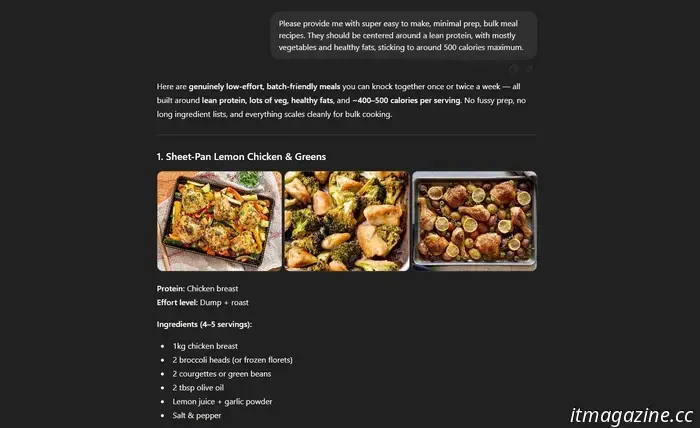
By using an AI assistant like ChatGPT, Gemini, or Claude, you can generate manageable, repeatable meal ideas in seconds. For example:
“Please provide me with super easy, minimal-prep bulk meal recipes focusing on lean protein, primarily vegetables, and healthy fats, all staying around 500 calories maximum.”
The result is a collection of meals with precise calorie counts and nutritional information—food you can prepare on Sunday and rely on throughout the week. Even determining just one meal a day, like lunch, alleviates a significant mental burden and helps you avoid unhealthy, quick store-bought options during busy workdays.
The best part? You can specify your likes and dislikes, allowing the AI to customize the recipes based on your preferences. You may be surprised at the abundance of delicious, nutritious, low-calorie meal options available. It doesn’t all have to be bland turkey breast, broccoli, and brown rice.
In the end, AI helps eliminate guesswork and reduces feelings of overwhelm, allowing you to conquer the most critical aspect of any fitness journey—consistency in nutrition.
AI as your confidence booster in the gym
Digital Trends
Both public and home gyms can feel intimidating, especially for newcomers. The presence of large machines, heavy weights, unfamiliar exercises, and the sense of not belonging can deter anyone. There's no shame in that.
It took me years to finally join a gym, and it remains one of my best decisions. AI would have facilitated that process for me significantly earlier.
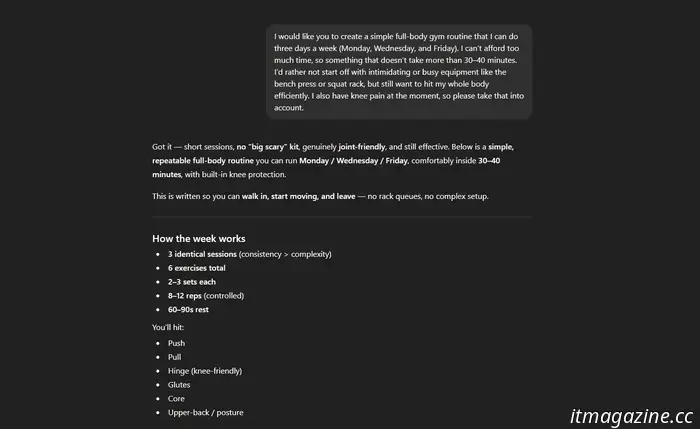
AI alleviates uncertainty by helping you craft workout routines that align with your available time, confidence level, and physical limitations. You can instruct it to avoid intimidating equipment, accommodate injuries, and ensure sessions fit into a busy schedule.
A prompt like this can do quite a bit:
“I would like you to create a straightforward full-body gym routine for me to perform three days a week (Monday, Wednesday, and Friday). I have limited time, so I prefer something that takes no more than 30-40 minutes. I’d rather not start with heavy or complicated equipment like the bench press or squat rack, but I still want to effectively work my entire body. I am currently experiencing knee pain, so please consider that.”
From that point, AI can design a balanced routine featuring approachable exercises—push-ups paired with pulldowns, upright rows combined with hamstring curls, dips alongside gentle squats or leg presses. You’ll have three full-body sessions a week, ample recovery days, and zero guesswork.
More importantly, it gives you the confidence to start small—often the hardest part.
Enhanced recovery, not just more intense training
Digital Trends
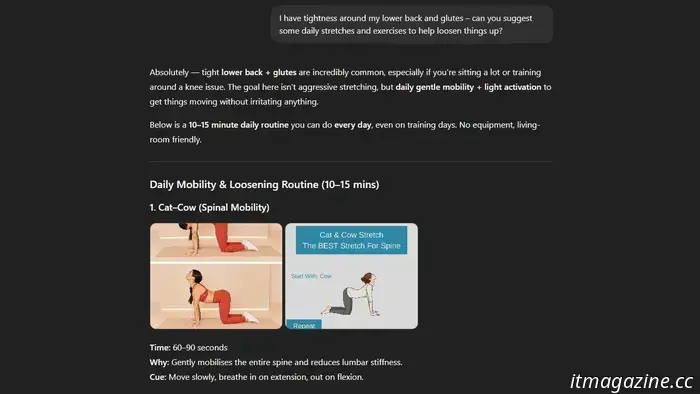
Fitness improvements don’t solely occur during workouts; they take place during recovery. Allowing your body sufficient time to rest between sessions enables your muscles to repair and grow, preparing for future challenges. This is another area where AI proves invaluable.
While advice from qualified professionals such as
Other articles
 A summary of 2025 for Technology and AI
The year 2025 marked the moment when technology transitioned from being a future promise to a present reality. The rise of generative AI and platform innovation that started two years earlier solidified this year into significant changes in the ways people work and govern.
A summary of 2025 for Technology and AI
The year 2025 marked the moment when technology transitioned from being a future promise to a present reality. The rise of generative AI and platform innovation that started two years earlier solidified this year into significant changes in the ways people work and govern.
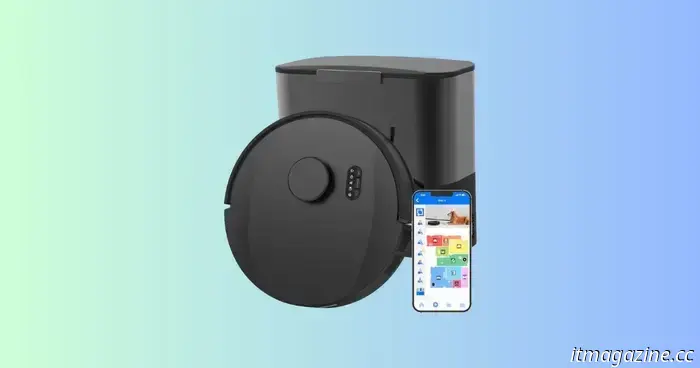 Get a $860 discount on a self-emptying robot vacuum and mop, now available for only $269.99.
If you have been looking for a substantial discount on a robot vacuum, this offer is noteworthy. The bObsweep UltraVision Pet self-empty robot vacuum and mop is available for $269.99, down from its original price of $1,129.99, resulting in an $860 savings. The key factor to consider is the timing: this deal is being promoted as a limited-time opportunity.
Get a $860 discount on a self-emptying robot vacuum and mop, now available for only $269.99.
If you have been looking for a substantial discount on a robot vacuum, this offer is noteworthy. The bObsweep UltraVision Pet self-empty robot vacuum and mop is available for $269.99, down from its original price of $1,129.99, resulting in an $860 savings. The key factor to consider is the timing: this deal is being promoted as a limited-time opportunity.
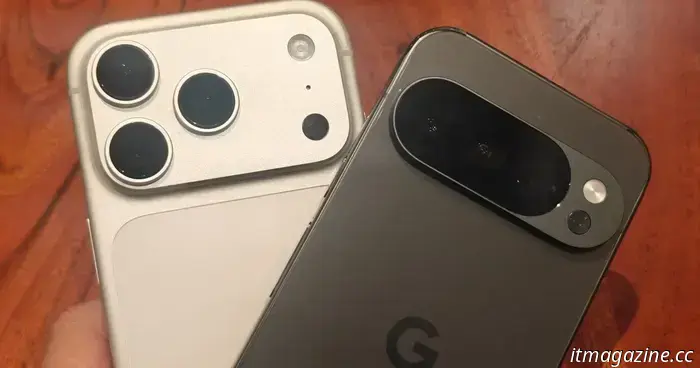 I have been reporting on smartphones for years, but 2026 appears to be particularly bold and concerning.
The year 2025 turned out to be remarkable for innovations in smartphones. For 2026, my forecasts include a combination of thrilling enhancements and a significant amount of caution.
I have been reporting on smartphones for years, but 2026 appears to be particularly bold and concerning.
The year 2025 turned out to be remarkable for innovations in smartphones. For 2026, my forecasts include a combination of thrilling enhancements and a significant amount of caution.
 2026 paves the way for more rapid laptops, albeit with a trade-off in memory.
Anticipate a diverse selection of new laptops featuring the latest processors from Intel, AMD, and Qualcomm.
2026 paves the way for more rapid laptops, albeit with a trade-off in memory.
Anticipate a diverse selection of new laptops featuring the latest processors from Intel, AMD, and Qualcomm.
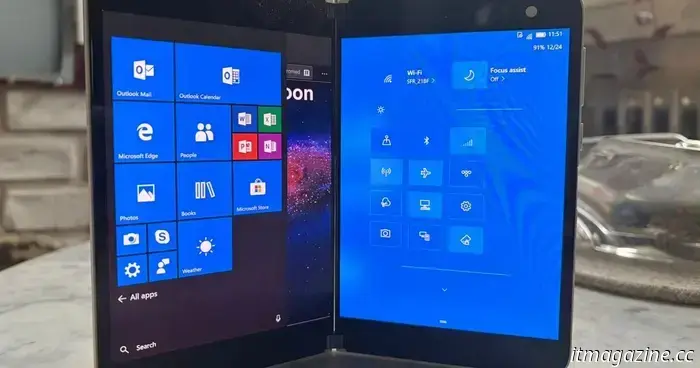 You can now experience the Windows Phone OS that Microsoft chose not to launch.
A leaked version of Andromeda OS now allows users to explore the discontinued Windows software that was initially intended for Surface Duo, providing a firsthand experience of Microsoft’s forsaken initiative to revive a dual-screen edition of Windows Phone.
You can now experience the Windows Phone OS that Microsoft chose not to launch.
A leaked version of Andromeda OS now allows users to explore the discontinued Windows software that was initially intended for Surface Duo, providing a firsthand experience of Microsoft’s forsaken initiative to revive a dual-screen edition of Windows Phone.
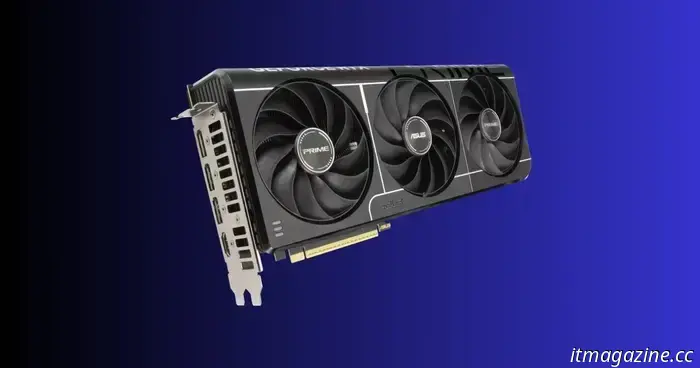 RTX 5070 Ti price reduction: save $130 on a contemporary PCIe 5.0 graphics card.
The GPU deals that truly matter are typically those that provide significant savings on a graphics card you would purchase regardless for a new build or a much-needed upgrade. The ASUS Prime NVIDIA GeForce RTX 5070 Ti OC Edition, featuring 16GB of GDDR7, is currently priced at $809.99, down from a comparable price of $939.99, offering a savings of $130. If […]
RTX 5070 Ti price reduction: save $130 on a contemporary PCIe 5.0 graphics card.
The GPU deals that truly matter are typically those that provide significant savings on a graphics card you would purchase regardless for a new build or a much-needed upgrade. The ASUS Prime NVIDIA GeForce RTX 5070 Ti OC Edition, featuring 16GB of GDDR7, is currently priced at $809.99, down from a comparable price of $939.99, offering a savings of $130. If […]
How AI could help you become fitter than ever by 2026.
From planning meals to boosting gym confidence and aiding in recovery, AI is gradually emerging as the most intelligent fitness companion you'll ever encounter.