
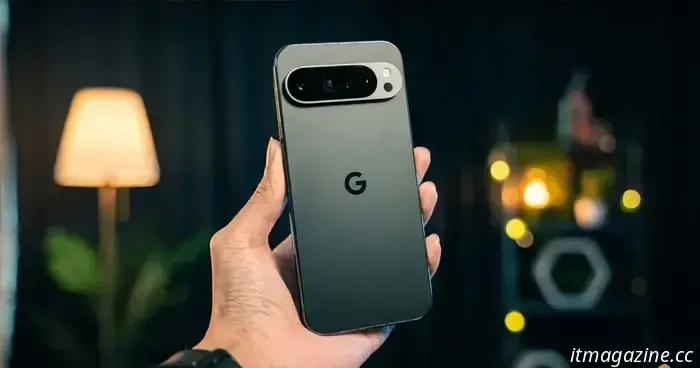
Your Android hotspot is set to become significantly faster.
Pixel users are gaining quicker hotspots as Android experiments with a new 2.4GHz + 6GHz mode.
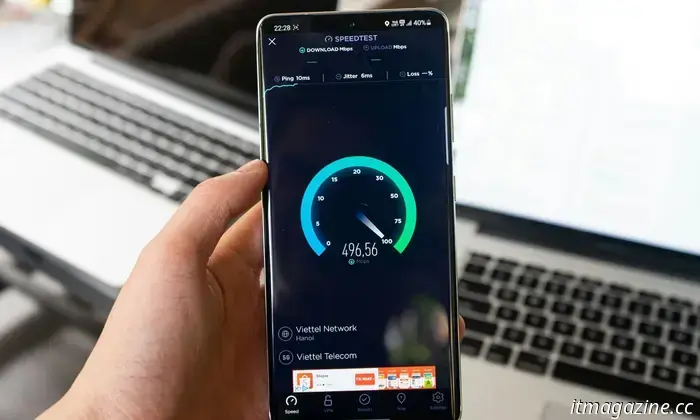
Typically, hotspots operate on the congested 2.4GHz or 5GHz bands, which are adequate but not known for high speeds. Now, Google is enabling the 6GHz band—the fast lane utilized by Wi-Fi 6E and Wi-Fi 7—for Android hotspots.
Pixel users can find this option in the settings (Settings > Network & internet > Hotspot & tethering). However, there’s a downside: while 6GHz is extremely fast, it struggles with walls and has a reduced range. Additionally, older laptops or tablets may not even detect it.
This is where a new feature, currently being tested by Google in the Android Canary build, comes into play. It’s a “dual-band” mode that simultaneously broadcasts both 2.4GHz and 6GHz. This option lies between the standard settings, providing a “best of both worlds” experience.
The significance lies in faster hotspots, increased device compatibility, and fewer trade-offs.
Hotspots are crucial when working from a coffee shop or in an airport. Until now, users had to decide between compatibility (ensuring old devices like a Kindle connect) or speed.
With the 6GHz band now available, Pixel users—and likely all Android users soon—will experience markedly faster tethering with less lag. However, due to 6GHz’s sensitivity to distance, the new 2.4 + 6GHz combination mode is a notable advancement. It functions like a high-end home router, providing high-speed connectivity for newer devices while still accommodating older gadgets on the more stable, slower band.
For users, this translates to improved video calls, quicker downloads while on the move, and the ability to harness the full potential of their premium phone’s internet connection without any throttling.
Looking ahead, broader availability and deeper integration are anticipated across Android.
Currently, this dual-band feature is exclusive to testers in the Android Canary channel. However, it strongly indicates that Google is preparing for a wider rollout, likely in Android 16 or a Feature Drop early next year.
As global regulations evolve, expect major brands like Samsung, Xiaomi, and OnePlus to adopt this technology as well. We may eventually see tri-band hotspots. But for now, Google's initiative is making mobile hotspots feel more like a reliable, powerful network rather than just a backup solution.
Samsung is quietly gearing up for a fast charging enhancement for its Galaxy S26 Ultra.
Recent evidence found in the internal code of One UI 8.5 suggests that Samsung may be preparing a much-anticipated wired charging speed upgrade for its flagship device.
According to a report from Android Authority, the latest leaked version of One UI 8.5 includes a new charging label that hints at "Super Fast Charging 3.0" for the Galaxy S26 series.
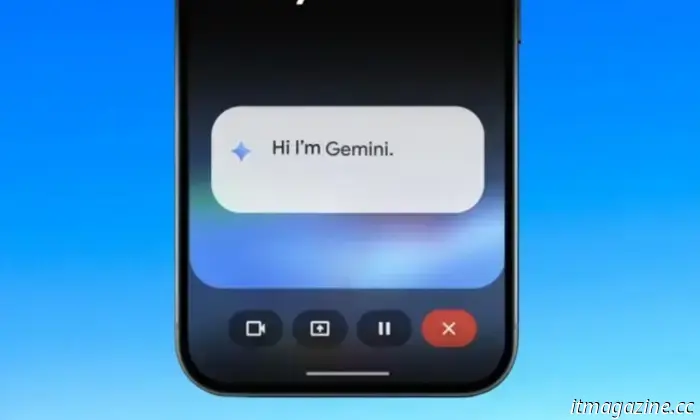
In other news, Google Gemini may soon receive a long-awaited image editing feature.
A new tool is in development that will allow users to draw and write on images generated by Google Gemini.
According to Android Authority, Google is working on an image-annotation feature for Gemini that permits users to draw, highlight, or add text directly onto generated images without leaving the application. A leak shared by TestingCatalog on X indicates that this tool will soon be available on the web version, enabling users to mark up images by highlighting, circling, or adding notes within the Gemini interface.
Lastly, Black Friday deals are currently available, with sales from Best Buy, Amazon, Walmart, and others now live.
With Black Friday here, shoppers can explore the best offers to be found this year, as I've been tracking deals for over a decade. Check out Amazon's Black Friday sales for great bargains.




Other articles
 The popular Haribo power bank you have might pose a fire hazard.
A recent teardown reveals that the viral Haribo power bank is poorly designed and could potentially present a fire hazard. Misaligned battery layers and inadequate internal construction raise significant safety issues for those depending on it for travel or everyday use.
The popular Haribo power bank you have might pose a fire hazard.
A recent teardown reveals that the viral Haribo power bank is poorly designed and could potentially present a fire hazard. Misaligned battery layers and inadequate internal construction raise significant safety issues for those depending on it for travel or everyday use.
 The top Cyber Monday gaming offers on Amazon: PS5, GPUs, and additional items.
Cyber Monday This article is a part of Digital Trends' Cyber Monday coverage for 2025 Updated just under 3 minutes ago Cyber Monday is one of the rare occasions when upgrading your gaming setup feels justifiable and not like you're overspending. Currently, Amazon has some impressive discounts on hardware that truly […]
The top Cyber Monday gaming offers on Amazon: PS5, GPUs, and additional items.
Cyber Monday This article is a part of Digital Trends' Cyber Monday coverage for 2025 Updated just under 3 minutes ago Cyber Monday is one of the rare occasions when upgrading your gaming setup feels justifiable and not like you're overspending. Currently, Amazon has some impressive discounts on hardware that truly […]
 I viewed Stranger Things Season 5, Volume 1, and here are the moments you definitely shouldn't overlook.
The first volume of Stranger Things season 5 has been released on Netflix, featuring numerous unforgettable moments across its four episodes.
I viewed Stranger Things Season 5, Volume 1, and here are the moments you definitely shouldn't overlook.
The first volume of Stranger Things season 5 has been released on Netflix, featuring numerous unforgettable moments across its four episodes.
 If you use Quick Share on the Pixel 10, your Wi-Fi connection may temporarily drop out.
If you use Quick Share on the Pixel 10, your Wi-Fi connection may temporarily drop out.
If you use Quick Share on the Pixel 10, your Wi-Fi connection may temporarily drop out.
 Achieve significant ROI without risk by trying MailChimp’s 14-day free trial of the Standard Plan.
Revolutionize your engagement with your audience through intelligent, automated marketing that delivers significant outcomes.
Achieve significant ROI without risk by trying MailChimp’s 14-day free trial of the Standard Plan.
Revolutionize your engagement with your audience through intelligent, automated marketing that delivers significant outcomes.
 The Apple Gift Card makes for an ideal holiday present — here’s what you can use it for.
This post is presented in collaboration with Apple. As the holiday season draws near, it’s the perfect time to begin considering the gifts you’ll give to your loved ones. Holiday shopping can be challenging, but if you're looking to buy a gift for the movie enthusiast, […]
The Apple Gift Card makes for an ideal holiday present — here’s what you can use it for.
This post is presented in collaboration with Apple. As the holiday season draws near, it’s the perfect time to begin considering the gifts you’ll give to your loved ones. Holiday shopping can be challenging, but if you're looking to buy a gift for the movie enthusiast, […]
Your Android hotspot is set to become significantly faster.
Your Android hotspot is set to become significantly faster.