

Have you upgraded to Windows 11? If you haven't, you're not alone.
Windows users are hesitant to upgrade, and this poses a challenge for Microsoft.
It appears that Microsoft has encountered a significant hurdle. The adoption rate for Windows 11 is much slower than anticipated, particularly when compared to the transition from Windows 7 to Windows 10.
During an earnings call, Jeffrey Clarke, COO of Dell, shared some startling statistics. He noted that approximately 500 million PCs are capable of running Windows 11 but remain on Windows 10. That’s half a billion users who are simply... waiting.
Additionally, Clarke mentioned there are another 500 million computers that are four years old or older and cannot upgrade due to Microsoft’s stringent requirements regarding processors and security chips (like the troublesome TPM 2.0 mandate). This has left these older machines unable to transition.
This report follows a comment from Microsoft executive Pavan Davuluri, who suggested that “nearly a billion people rely on Windows 11,” but he did not clarify what that meant. The actual figures indicate a much more complex situation.
Windows / Microsoft
Windows 11: The free upgrade that nobody wants to take.
This is a stark reality check. Microsoft concluded mainstream support for Windows 10 in October 2025, anticipating a mass migration. Instead, the market has divided into two groups:
Half of users are on hardware that isn't eligible for upgrades.
The other half could upgrade, but they simply choose not to.
This reluctance poses a significant cybersecurity issue. It also complicates Microsoft’s plans to implement AI features universally. Dell views this as an opportunity to promote new “AI-ready” computers, but they caution that sales may remain stagnant through 2026. Lacking a compelling reason to upgrade, many users are sticking with their old, familiar setups.
If you’re still using Windows 10, you’re certainly not alone, but you’re in a precarious position. With the end of mainstream security updates, your computer becomes increasingly susceptible to cyber threats.
You essentially face three options:
1. Purchase a new PC (which Microsoft and Dell hope you'll do).
2. Pay for Extended Security Updates (ESU) to extend the security of your old machine for a little while longer.
3. Take the risk and continue using an unsupported operating system (not advisable).
For businesses, this presents a budgetary dilemma. Should they invest in security patches, or spend millions replacing perfectly functional hardware just to upgrade to Windows 11?
Microsoft
Implications for users
Microsoft is in a challenging situation. There’s pressure to potentially ease the stringent hardware policies or find ways to make Windows 11 more appealing to encourage upgrades.
At present, the company is banking on a new generation of AI-driven PCs to entice consumers. However, with a billion users currently caught in the “can’t upgrade” or “won’t upgrade” dilemma, persuading the public to transition may be one of the toughest sales pitches Microsoft has ever faced.
You’re not imagining it: RAM and storage prices are rising rapidly.
The demand for AI-driven chips is putting a strain on RAM and storage supplies, even for everyday users.
What’s been happening? The bad news continues to pile up for those looking to build or upgrade their PCs. It’s not only GPUs and RAM that are becoming more expensive; SSDs are now facing similar issues, with chip manufacturers warning that shortages could last until 2026. A wave of shortages threatens to affect RAM, SSDs, and even hard drives, impacting both high-performance machines and standard systems.
CyberPowerPC has publicly announced that it will increase prices on all systems starting December 7th due to a 500% spike in RAM costs and SSD prices doubling since October.
Earlier this year, reports suggested that Nvidia's upcoming GPUs might feature significant VRAM upgrades. However, in light of the AI boom, both RAM and GDDR prices have surged, leading AMD and Nvidia to consider eliminating entry-level and budget GPUs altogether. Now, the situation has become even more complicated. Amid a worsening global memory shortage, Nvidia is rumored to be altering its GPU supply strategy. Instead of delivering fully populated boards (die + VRAM), they may start supplying only the GPU die, requiring board partners to source GDDR or HBM independently. If this occurs, it could vastly affect the flexibility of vendors and the number of cards available on the market.
Leakster Golden Pig Upgrade Pack suggests that Nvidia might stop bundling VRAM with its GPUs to safeguard supply chains and reduce upfront costs.
Risk of a bubble in the humanoid robot market, warns China. What if it bursts?
We’ve heard a lot about an AI bubble recently. Now, it seems there’s another potential bubble forming in the tech industry.
There has been considerable discussion about the so-called “AI bubble,” a scenario resulting from excessive investment in AI technology, causing its prices and valuations to exceed actual proven value, creating a metaphorical balloon that might eventually pop.
Now, initial warnings are being raised about a similar bubble developing


Другие статьи
 Arrow Lake owners could benefit from free performance improvements due to software updates
Intel
Do you remember when Intel introduced its Arrow Lake-S desktop processors (the Core Ultra 200S series) late last year? The initial reception was somewhat subdued. However, recent data indicates that the performance has significantly improved over time.
Fresh benchmarks from Phoronix reveal that the leading Core Ultra 9 285K is now operating approximately 9% faster on average under Linux compared to its launch performance. The impressive part? It's achieving this while consuming 15% less power.
Typically, achieving such a performance increase would require purchasing a new chip, but this enhancement comes at no cost. It's the result of a year’s worth of software refinements—improved microcode, enhanced kernel tuning, and compiler adjustments. Essentially, the software has finally aligned with the hardware capabilities.
Intel
Why does this matter
This represents a significant turnaround. Upon the initial release of Arrow Lake, reviewers expressed frustration over inconsistent performance and an efficiency that didn’t meet expectations.
Yet, these new figures highlight an age-old tech adage: “drivers matter.” The hardware has remained the same, but the communication between the software and the hardware has improved.
You may be wondering, “What about Windows?”
Intel appears to be ahead of the curve here. It has already deployed its “Application Performance Optimizations” (APO) tool for Windows. This software effectively acts like a traffic cop for your CPU, intelligently allocating power in real-time to where it’s most needed. Some gamers are experiencing frame rate increases of up to 14%. If the Windows updates can match the improvements seen on Linux, Arrow Lake users could be utilizing a much more powerful chip than they previously realized.
Intel
Why should this matter to you
If you already own an Arrow Lake processor, congratulations: your PC just received a free upgrade. All you need to do is keep your software and drivers up to date.
If you bypassed this generation due to lukewarm reviews, it may be worth reconsidering. The platform is rapidly evolving, and the initial instability appears to be dissipating.
What’s next
Intel is preparing for an “Arrow Lake Refresh” in early 2026. The good news? The new chips are likely to come with these performance enhancements integrated from the start.
For now, it seems that Arrow Lake is maturing like fine wine—a rare and pleasant surprise in an industry where old technology is typically discarded for new.
Moinak Pal has been involved in the technology sector, covering both consumer technology and automotive innovations…
Risk of a bubble in the humanoid robot sector, warns China. So, what happens if it bursts?
We’ve heard a lot about an AI bubble, but there seems to be another one forming in the tech industry.
Lately, discussions about the so-called “AI bubble” have been prevalent, stemming from overinvestment in AI technology that drives its prices and valuations far beyond their realistic worth, resulting in a bubble that might eventually burst.
Now, early warnings are surfacing regarding a similar bubble developing in the burgeoning sector of humanoid robots.
Read more
Why UPDF is the ultimate PDF editor you've been seeking
Say farewell to Adobe and hello to UPDF, with a 50% discount this Black Friday
When you have a PDF that requires editing, you want a program that can handle all your needs and even a bit more. One of the most comprehensive PDF editors available is UPDF, which offers an extensive array of AI-powered tools to help you comprehend, analyze, annotate, convert, and protect your documents, along with being one of the most cost-effective choices out there.
Additionally, UPDF is currently hosting a Black Friday sale, allowing you to save up to 50% on a lifetime subscription across various tiers, as well as that same discount on a subscription to its AI Assistant tier. You can acquire these prices by using the link provided and the extra $10 off coupon displayed at the top of the page.
Read more
Google Gemini 3 Pro users, your free access might be ending soon
Google reduces daily quotas for free use of Gemini 3 Pro and Nano Banana Pro
It seems the initial phase of free access to Google’s new AI tools may already be over. Just weeks after launching its flagship Gemini 3 Pro and Nano Banana Pro image generator, Google is quietly restricting what free users are allowed to do.
When these tools were first introduced, the guidelines were straightforward: you received five prompts per day with the top-tier model and could generate three images. However, in recent days, this guarantee has disappeared. If you’re on the free plan, you now have “Basic access.” Google is no longer guaranteeing a specific number of prompts; instead, it warns that your daily quota may fluctuate significantly depending on server demand.
Read more
Mozilla is testing lightweight tab notes in Firefox Nightly, providing users with an easy method to recall the reasons for keeping tabs open.
Arrow Lake owners could benefit from free performance improvements due to software updates
Intel
Do you remember when Intel introduced its Arrow Lake-S desktop processors (the Core Ultra 200S series) late last year? The initial reception was somewhat subdued. However, recent data indicates that the performance has significantly improved over time.
Fresh benchmarks from Phoronix reveal that the leading Core Ultra 9 285K is now operating approximately 9% faster on average under Linux compared to its launch performance. The impressive part? It's achieving this while consuming 15% less power.
Typically, achieving such a performance increase would require purchasing a new chip, but this enhancement comes at no cost. It's the result of a year’s worth of software refinements—improved microcode, enhanced kernel tuning, and compiler adjustments. Essentially, the software has finally aligned with the hardware capabilities.
Intel
Why does this matter
This represents a significant turnaround. Upon the initial release of Arrow Lake, reviewers expressed frustration over inconsistent performance and an efficiency that didn’t meet expectations.
Yet, these new figures highlight an age-old tech adage: “drivers matter.” The hardware has remained the same, but the communication between the software and the hardware has improved.
You may be wondering, “What about Windows?”
Intel appears to be ahead of the curve here. It has already deployed its “Application Performance Optimizations” (APO) tool for Windows. This software effectively acts like a traffic cop for your CPU, intelligently allocating power in real-time to where it’s most needed. Some gamers are experiencing frame rate increases of up to 14%. If the Windows updates can match the improvements seen on Linux, Arrow Lake users could be utilizing a much more powerful chip than they previously realized.
Intel
Why should this matter to you
If you already own an Arrow Lake processor, congratulations: your PC just received a free upgrade. All you need to do is keep your software and drivers up to date.
If you bypassed this generation due to lukewarm reviews, it may be worth reconsidering. The platform is rapidly evolving, and the initial instability appears to be dissipating.
What’s next
Intel is preparing for an “Arrow Lake Refresh” in early 2026. The good news? The new chips are likely to come with these performance enhancements integrated from the start.
For now, it seems that Arrow Lake is maturing like fine wine—a rare and pleasant surprise in an industry where old technology is typically discarded for new.
Moinak Pal has been involved in the technology sector, covering both consumer technology and automotive innovations…
Risk of a bubble in the humanoid robot sector, warns China. So, what happens if it bursts?
We’ve heard a lot about an AI bubble, but there seems to be another one forming in the tech industry.
Lately, discussions about the so-called “AI bubble” have been prevalent, stemming from overinvestment in AI technology that drives its prices and valuations far beyond their realistic worth, resulting in a bubble that might eventually burst.
Now, early warnings are surfacing regarding a similar bubble developing in the burgeoning sector of humanoid robots.
Read more
Why UPDF is the ultimate PDF editor you've been seeking
Say farewell to Adobe and hello to UPDF, with a 50% discount this Black Friday
When you have a PDF that requires editing, you want a program that can handle all your needs and even a bit more. One of the most comprehensive PDF editors available is UPDF, which offers an extensive array of AI-powered tools to help you comprehend, analyze, annotate, convert, and protect your documents, along with being one of the most cost-effective choices out there.
Additionally, UPDF is currently hosting a Black Friday sale, allowing you to save up to 50% on a lifetime subscription across various tiers, as well as that same discount on a subscription to its AI Assistant tier. You can acquire these prices by using the link provided and the extra $10 off coupon displayed at the top of the page.
Read more
Google Gemini 3 Pro users, your free access might be ending soon
Google reduces daily quotas for free use of Gemini 3 Pro and Nano Banana Pro
It seems the initial phase of free access to Google’s new AI tools may already be over. Just weeks after launching its flagship Gemini 3 Pro and Nano Banana Pro image generator, Google is quietly restricting what free users are allowed to do.
When these tools were first introduced, the guidelines were straightforward: you received five prompts per day with the top-tier model and could generate three images. However, in recent days, this guarantee has disappeared. If you’re on the free plan, you now have “Basic access.” Google is no longer guaranteeing a specific number of prompts; instead, it warns that your daily quota may fluctuate significantly depending on server demand.
Read more
Mozilla is testing lightweight tab notes in Firefox Nightly, providing users with an easy method to recall the reasons for keeping tabs open.
 Battlefield 6 is finally targeting cheaters effectively, and it's proving to be successful.
Recent anti-cheat statistics from the Battlefield 6 team reveal that they have blocked 2.4 million cheating attempts, resulting in a “match infection rate” of only 2–2.5%. This could lead to fewer aimbots, reduced laggy cheating, and a more equitable gaming experience for players.
Battlefield 6 is finally targeting cheaters effectively, and it's proving to be successful.
Recent anti-cheat statistics from the Battlefield 6 team reveal that they have blocked 2.4 million cheating attempts, resulting in a “match infection rate” of only 2–2.5%. This could lead to fewer aimbots, reduced laggy cheating, and a more equitable gaming experience for players.
 These delivery robots are receiving a lukewarm response in Chicago.
“Chicago sidewalks are meant for pedestrians, not delivery robots," states a petition aimed at eliminating the wheeled devices from the city's pathways. Two robot companies, Coco and Serve, are deploying these small robots on Chicago sidewalks to deliver meals to customers. Launched in November, the online petition has already garnered over […]
These delivery robots are receiving a lukewarm response in Chicago.
“Chicago sidewalks are meant for pedestrians, not delivery robots," states a petition aimed at eliminating the wheeled devices from the city's pathways. Two robot companies, Coco and Serve, are deploying these small robots on Chicago sidewalks to deliver meals to customers. Launched in November, the online petition has already garnered over […]
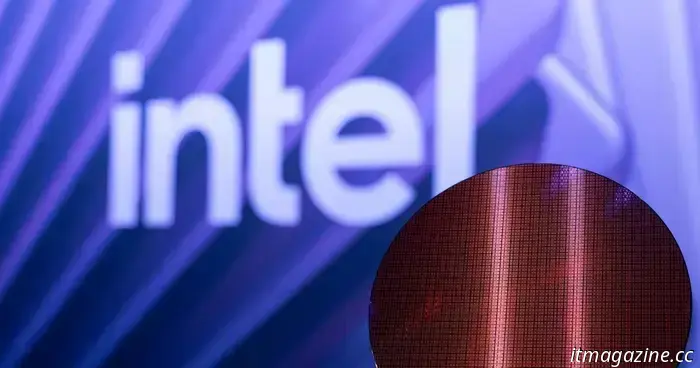 Intel may make a comeback in Apple laptops, but not in the manner you might expect.
Analyst Ming-Chi Kuo asserts that Intel might begin producing Apple’s entry-level M-series chips by mid-2027. This does not indicate a return of Intel-powered Macs, but rather a significant behind-the-scenes change that could transform Apple’s supply chain and the construction of future MacBooks.
Intel may make a comeback in Apple laptops, but not in the manner you might expect.
Analyst Ming-Chi Kuo asserts that Intel might begin producing Apple’s entry-level M-series chips by mid-2027. This does not indicate a return of Intel-powered Macs, but rather a significant behind-the-scenes change that could transform Apple’s supply chain and the construction of future MacBooks.
 I'm overwhelmed with subscriptions, but I have finally discovered an iPhone app that can help restore order.
We are currently in the age of subscriptions. This situation isn't perfect, and the exhaustion from continuous app payments is diminishing the smartphone experience for numerous users. Furthermore, web browsers have also embraced the subscription model, largely due to the influence of AI. However, the responsibility of keeping track of various subscriptions is a challenge in itself, aside from the [...]
I'm overwhelmed with subscriptions, but I have finally discovered an iPhone app that can help restore order.
We are currently in the age of subscriptions. This situation isn't perfect, and the exhaustion from continuous app payments is diminishing the smartphone experience for numerous users. Furthermore, web browsers have also embraced the subscription model, largely due to the influence of AI. However, the responsibility of keeping track of various subscriptions is a challenge in itself, aside from the [...]
 A new report indicates that Intel may serve as a foundry for Apple's M-series chips, though not fully returning to the x86 architecture.
What’s happening? Although Apple and Intel severed their partnership some time ago, the situation might change soon. A recent leak from Ming-Chi Kuo suggests Intel could re-enter the Apple ecosystem, not as a CPU designer, but as a manufacturer for Apple’s lower-end M-series chips. This doesn’t imply a return of Intel-powered MacBooks; rather, Intel would manufacture chips designed by Apple. If all goes well, Intel might begin supplying these chips by mid-2027.
The plan involves utilizing Intel’s 18AP process node to produce Apple’s entry-level M-series chips, likely intended for MacBook Air and base iPads.
Apple will retain control over the design and architecture of the chips; only the manufacturing will change.
Intel is anticipated to provide initial sample batches after Apple receives the 18AP design kit, expected in the first quarter of 2026, with mass shipments possibly starting in mid-to-late 2027.
Existing high-end Apple chips (Pro / Max / Ultra) will likely continue to be produced by TSMC, meaning the change will only impact the entry-level segment.
Intel might start shipping Apple’s lowest-end M processor as early as 2027. There have been persistent market whispers about Intel becoming an advanced-node foundry supplier for Apple, but clarity on this topic has been limited. My latest industry research, however, suggests that…— 郭明錤 (Ming-Chi Kuo) (@mingchikuo) November 28, 2025
Why this matters: This rumor could indicate a meaningful shift in Apple’s supply chain strategy, impacting anyone concerned about availability, pricing, and regional production. Should Apple truly collaborate with Intel as an additional chip manufacturer, it could lessen its reliance on TSMC and Taiwan. For those waiting for entry-level MacBook Airs or base iPads, this might result in more reliable stock, fewer unexpected delays, and potentially U.S.-focused production runs that keep store shelves well-stocked.
Additionally, there’s the “Made in the USA” consideration. Intel manufactures chips domestically, and Apple utilizing this resource could influence everything from taxes to shipping schedules. For consumers, this might result in subtle but significant changes: pricing variations, different launch timelines based on region, and potentially two versions of the same MacBook (one produced by TSMC and the other by Intel). In short, come 2027, checking which foundry produced the chip in your laptop might become as routine as checking storage or RAM today.
Why should you care? If you've been hesitant to buy an entry-level MacBook or waiting for better deals, this news might prompt you to keep an eye out. Two potential outcomes could arise: stock stabilization or slight price adjustments, depending on Apple's manufacturing decisions. If long-term support, regional availability, or a U.S.-built Mac is important to you, this could mark the beginning of a new chapter.
However, if you’re a developer or concerned about consistent performance, dual-sourced chips might be significant—potentially affecting build-to-order variations, shipping times, and subtle distinctions. Still, if you appreciate the advantages of Apple Silicon and want a Mac soon, there's no need to delay. As the rumor indicates, this may only influence lower-end models, with substantial changes likely not occurring until 2027.
So, what’s next? For now, it’s a matter of waiting. Intel’s design kit for Apple is not expected until early 2026, so don’t anticipate immediate changes to the current Mac lineup. If you plan to purchase a Mac soon, there’s no reason to wait, as these changes won’t arrive until at least 2027. However, if you're interested in a U.S.-made chip or want to observe how dual sourcing affects prices, it may be wise to monitor developments over the next year.
Varun is a knowledgeable technology journalist and editor with over eight years of experience in consumer tech media. His work encompasses...
Don’t worry; your holiday shopping stress will now be managed by AI. Your AI will know your purchasing preferences before you do.
If you’ve ever felt your blood pressure rise at the thought of holiday shopping, you are not alone. The frantic search for the perfect gift at the lowest price typically involves numerous browser tabs and hoping not to overlook a coupon code. Just in time for the Black Friday rush, two major tech entities—Microsoft and Perplexity AI—are stepping in to alleviate the stress for you.
Read more
Laptop deals I won’t be keeping to myself this Black Friday Save on an ASUS ROG gaming laptop, the latest Apple MacBook Pro, a 32-inch LG gaming monitor, a Razer cooling pad, and an Anker docking station.
If you’re considering upgrading your laptop this year, it’s advisable
A recent test from WindowsLatest reveals that the preloaded File Explorer in Windows 11 still starts up more slowly than that of Windows 10, and it also consumes more RAM in the process. This makes the upgrade significantly less attractive for many users.
A new report indicates that Intel may serve as a foundry for Apple's M-series chips, though not fully returning to the x86 architecture.
What’s happening? Although Apple and Intel severed their partnership some time ago, the situation might change soon. A recent leak from Ming-Chi Kuo suggests Intel could re-enter the Apple ecosystem, not as a CPU designer, but as a manufacturer for Apple’s lower-end M-series chips. This doesn’t imply a return of Intel-powered MacBooks; rather, Intel would manufacture chips designed by Apple. If all goes well, Intel might begin supplying these chips by mid-2027.
The plan involves utilizing Intel’s 18AP process node to produce Apple’s entry-level M-series chips, likely intended for MacBook Air and base iPads.
Apple will retain control over the design and architecture of the chips; only the manufacturing will change.
Intel is anticipated to provide initial sample batches after Apple receives the 18AP design kit, expected in the first quarter of 2026, with mass shipments possibly starting in mid-to-late 2027.
Existing high-end Apple chips (Pro / Max / Ultra) will likely continue to be produced by TSMC, meaning the change will only impact the entry-level segment.
Intel might start shipping Apple’s lowest-end M processor as early as 2027. There have been persistent market whispers about Intel becoming an advanced-node foundry supplier for Apple, but clarity on this topic has been limited. My latest industry research, however, suggests that…— 郭明錤 (Ming-Chi Kuo) (@mingchikuo) November 28, 2025
Why this matters: This rumor could indicate a meaningful shift in Apple’s supply chain strategy, impacting anyone concerned about availability, pricing, and regional production. Should Apple truly collaborate with Intel as an additional chip manufacturer, it could lessen its reliance on TSMC and Taiwan. For those waiting for entry-level MacBook Airs or base iPads, this might result in more reliable stock, fewer unexpected delays, and potentially U.S.-focused production runs that keep store shelves well-stocked.
Additionally, there’s the “Made in the USA” consideration. Intel manufactures chips domestically, and Apple utilizing this resource could influence everything from taxes to shipping schedules. For consumers, this might result in subtle but significant changes: pricing variations, different launch timelines based on region, and potentially two versions of the same MacBook (one produced by TSMC and the other by Intel). In short, come 2027, checking which foundry produced the chip in your laptop might become as routine as checking storage or RAM today.
Why should you care? If you've been hesitant to buy an entry-level MacBook or waiting for better deals, this news might prompt you to keep an eye out. Two potential outcomes could arise: stock stabilization or slight price adjustments, depending on Apple's manufacturing decisions. If long-term support, regional availability, or a U.S.-built Mac is important to you, this could mark the beginning of a new chapter.
However, if you’re a developer or concerned about consistent performance, dual-sourced chips might be significant—potentially affecting build-to-order variations, shipping times, and subtle distinctions. Still, if you appreciate the advantages of Apple Silicon and want a Mac soon, there's no need to delay. As the rumor indicates, this may only influence lower-end models, with substantial changes likely not occurring until 2027.
So, what’s next? For now, it’s a matter of waiting. Intel’s design kit for Apple is not expected until early 2026, so don’t anticipate immediate changes to the current Mac lineup. If you plan to purchase a Mac soon, there’s no reason to wait, as these changes won’t arrive until at least 2027. However, if you're interested in a U.S.-made chip or want to observe how dual sourcing affects prices, it may be wise to monitor developments over the next year.
Varun is a knowledgeable technology journalist and editor with over eight years of experience in consumer tech media. His work encompasses...
Don’t worry; your holiday shopping stress will now be managed by AI. Your AI will know your purchasing preferences before you do.
If you’ve ever felt your blood pressure rise at the thought of holiday shopping, you are not alone. The frantic search for the perfect gift at the lowest price typically involves numerous browser tabs and hoping not to overlook a coupon code. Just in time for the Black Friday rush, two major tech entities—Microsoft and Perplexity AI—are stepping in to alleviate the stress for you.
Read more
Laptop deals I won’t be keeping to myself this Black Friday Save on an ASUS ROG gaming laptop, the latest Apple MacBook Pro, a 32-inch LG gaming monitor, a Razer cooling pad, and an Anker docking station.
If you’re considering upgrading your laptop this year, it’s advisable
A recent test from WindowsLatest reveals that the preloaded File Explorer in Windows 11 still starts up more slowly than that of Windows 10, and it also consumes more RAM in the process. This makes the upgrade significantly less attractive for many users.
Have you upgraded to Windows 11? If you haven't, you're not alone.
The uptake of Windows 11 is slow, with millions of compatible PCs choosing not to upgrade. This situation poses challenges for Microsoft and raises worries about future security strategies.