
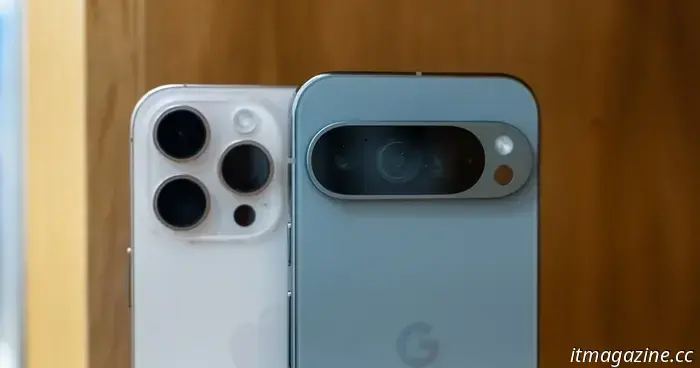
Phone cameras have become so advanced that they've effectively taken the place of my camera for work.
For nearly two decades, I’ve been lugging over twenty pounds of electronics in my backpack, always ready to capture content for my professional needs. My bag typically held my MacBook, a full-frame camera with a large lens, a tripod, and various video and audio equipment that I considered essential.
However, over the last two years, many of these items have become outdated, as numerous companies released new products that effectively replaced technology I once thought was irreplaceable.
A significant part of this transformation was driven by advancements in smartphone cameras, particularly the Pixel 9 Pro. Yet, that alone wasn’t enough. With the evolution of video trends—where vertical video has become just as important, if not more so, than traditional horizontal video—the launch of my favorite DJI product, the DJI Pocket 3, came into play.
Here are five products that have finally convinced me to lighten my load by over ten pounds and leave my full-frame camera at home for work.
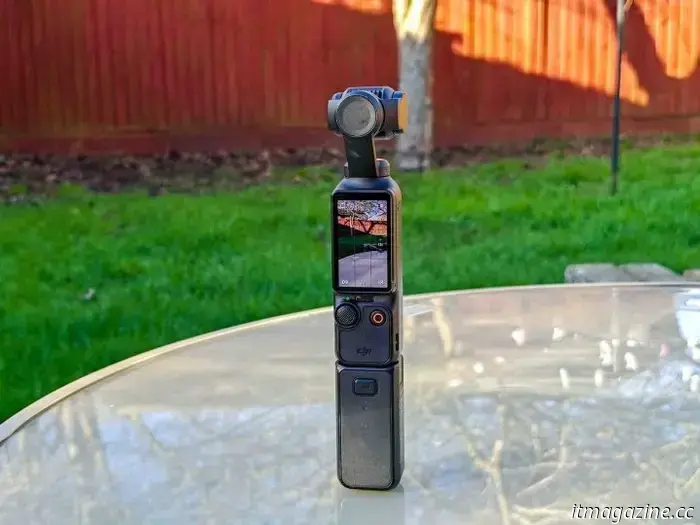
**DJI Osmo Pocket 3**
We must begin with the DJI Pocket 3. I have previously mentioned how it has been one of the life-changing products for me last year, but its impact extends far beyond that. While DJI has a longstanding reputation for crafting excellent handheld gimbals, action cameras, and drones, the Pocket 3 is the first device that I’ve encountered that has truly revolutionized the creator experience.
Having attended over 50 major trade shows in my career, I found last month’s CES 2025 particularly enlightening as nearly everyone I observed capturing video was using the Osmo Pocket 3. Why? It’s straightforward: this is the only device that allows for an effortless transition between vertical and horizontal video in an instant, all while maintaining quality. With a simple rotation of the display, you can switch from recording 4k video in a 16:9 horizontal aspect ratio to 3k video in a 9:16 vertical aspect ratio.
There are also options for other aspect ratios, perfect for square photos for social media if desired, but these two formats maximize the camera’s full potential. The Osmo Pocket 3 can take photos, yet I’ve found it to be less capable than the primary camera likely already in your pocket, so I use it exclusively for video. Its facial tracking feature simplifies vlogging, and its integration with the DJI Mic series is seamless.
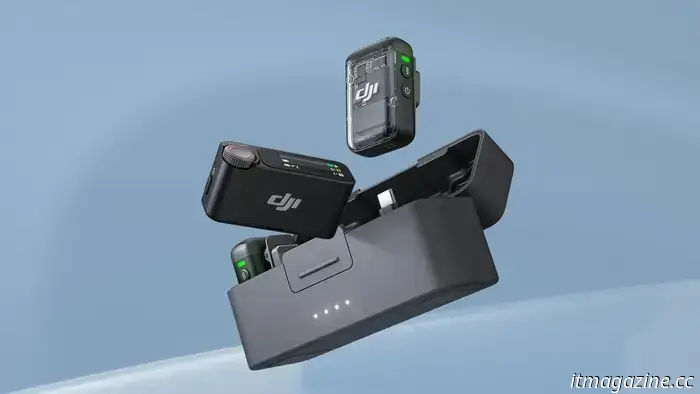
**DJI Mic 2**
Before the arrival of the DJI Mic and similar compact wireless microphones such as those from Rode, capturing high-quality audio for video was a challenging task. It necessitated bringing along a complete microphone setup with transmitters and receivers—whether wired or wireless—and several meters of cables. Additionally, this setup required extra editing time, as syncing audio with video in post-production was necessary.
What I love about the DJI Mic 2 is how effortlessly it pairs with the DJI Osmo Pocket 3. If you purchase the Pocket 3 Creator Combo, they automatically connect the first time you power them on. If bought separately, it only takes a few seconds to pair them. After that, they will automatically link every time you turn them on. Instead of manually syncing audio, the Pocket 3 simply uses the audio from the paired DJI Mic 2.
Between the DJI Pocket 3 and Mic 2, I believe I save at least an hour on any short-form video and several hours on long-form content. Most importantly, it makes capturing content so easy that the only obstacles to publishing lie entirely within my control.
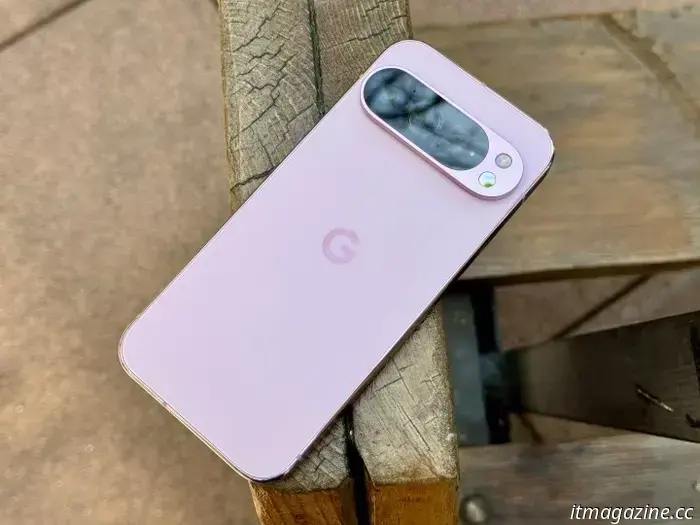
**Google Pixel 9 Pro**
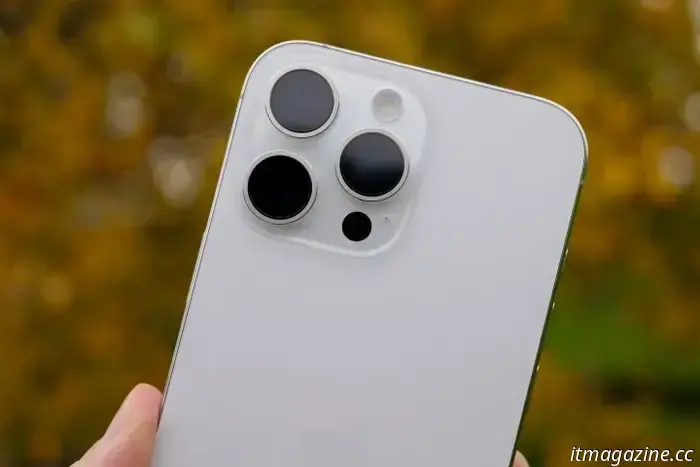
While the Osmo Pocket 3 has some limitations that necessitate carrying additional devices to fully replace everything my camera does, one such limitation is its photo-taking performance, alongside the ease of shooting video on the go. For the latter, I rely on the iPhone 16 Pro, but for the former, I’ve found that the Pixel 9 Pro offers the best camera for product photography.
Thanks to Myriam Joire from the Mobile Tech Podcast, I've discovered that the 2x mode on the Pixel 9 Pro’s camera, combined with its capability to capture both RAW and JPG photos by default from the auto camera mode—unlike the Pro or Master modes needed on many other Android phones—makes it the most effective setup.
Just two weeks ago, I left my full-frame camera at home and utilized solely the Pixel 9 Pro and Osmo Pocket 3 to cover an early preview of Samsung’s new Galaxy S25 series. The outcomes were impressive, and the advantage of using a phone for these photos is that I can edit and share them with ease, avoiding the step of transferring them to a computer. While I did edit the S25 photos in Lightroom on my Mac, the Pixel 9 Pro gives me flexibility for every photo I take.
**Apple iPhone 16 Pro**
Where the Pixel 9 Pro falls short for my liking is in video recording. The Osmo Pocket 3 provides a solid
Other articles
 Google Photos will include a concealed watermark on images that have been edited using AI.
Any photos that gain creative advantages from AI through the Magic Editor's Reimagine feature will be watermarked at the pixel level within the Google Photos application.
Google Photos will include a concealed watermark on images that have been edited using AI.
Any photos that gain creative advantages from AI through the Magic Editor's Reimagine feature will be watermarked at the pixel level within the Google Photos application.
 This offer on the Samsung Odyssey G9 OLED gaming monitor is ideal for Super Bowl LIX.
The 49-inch Samsung Odyssey OLED G9 curved gaming monitor, ideal for enjoying Super Bowl LIX, is currently available from Samsung with a $300 discount.
This offer on the Samsung Odyssey G9 OLED gaming monitor is ideal for Super Bowl LIX.
The 49-inch Samsung Odyssey OLED G9 curved gaming monitor, ideal for enjoying Super Bowl LIX, is currently available from Samsung with a $300 discount.
-review-speed-and-battery-life-in-equal-strides.jpg) Acer Swift 14 AI (AMD) review: balanced performance and battery longevity
The Acer Swift 14 AI emphasizes performance over battery life, unlike many other recent 14-inch laptops. However, it performs admirably in both areas.
Acer Swift 14 AI (AMD) review: balanced performance and battery longevity
The Acer Swift 14 AI emphasizes performance over battery life, unlike many other recent 14-inch laptops. However, it performs admirably in both areas.
 NASA is set to conduct its inaugural Twitch stream from the International Space Station.
NASA is venturing into uncharted territory by conducting its inaugural Twitch stream from the International Space Station.
NASA is set to conduct its inaugural Twitch stream from the International Space Station.
NASA is venturing into uncharted territory by conducting its inaugural Twitch stream from the International Space Station.
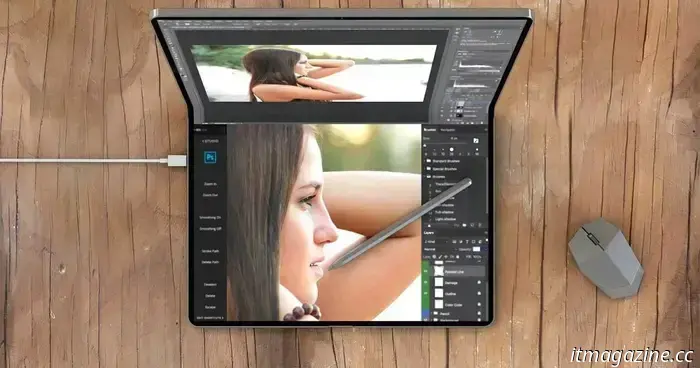 Significant Apple foldables could be coming in the near future.
Apple might utilize an anticipated foldable iPhone as a testing platform for a future foldable iPad or MacBook.
Significant Apple foldables could be coming in the near future.
Apple might utilize an anticipated foldable iPhone as a testing platform for a future foldable iPad or MacBook.
 The disliked crease in foldable phone screens might finally be disappearing.
The founder of OnePlus and Oppo's product head has posted pictures of the anticipated Find N5 next to a Samsung foldable device. It appears that the display crease will conclude in 2025.
The disliked crease in foldable phone screens might finally be disappearing.
The founder of OnePlus and Oppo's product head has posted pictures of the anticipated Find N5 next to a Samsung foldable device. It appears that the display crease will conclude in 2025.
Phone cameras have become so advanced that they've effectively taken the place of my camera for work.
After ten years of carrying a large camera on my back, I concluded that it was time for a change. Here are the gadgets that allowed me to leave it at home for work!