
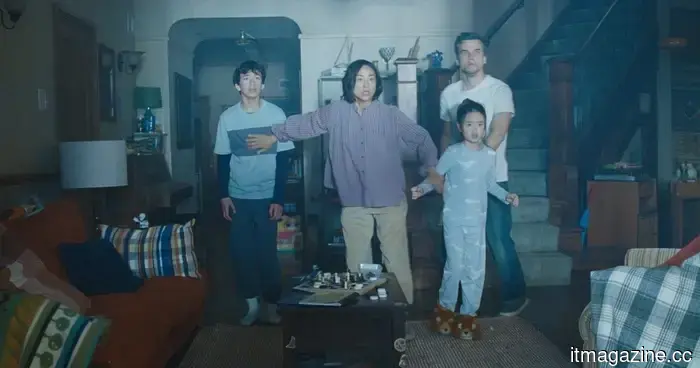
EXCLUSIVE: The director of The Last House discusses the filming of Netflix's latest sci-fi horror movie.
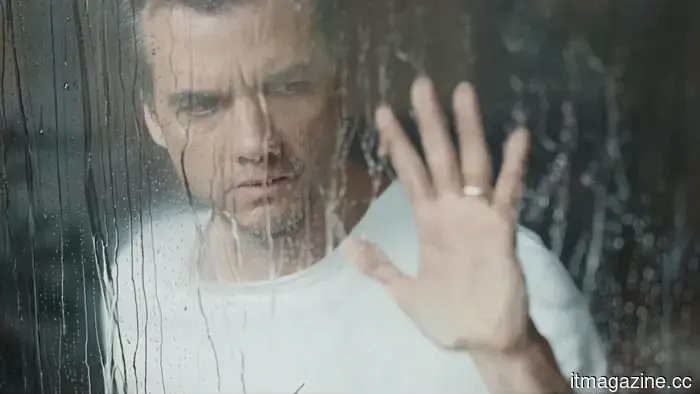
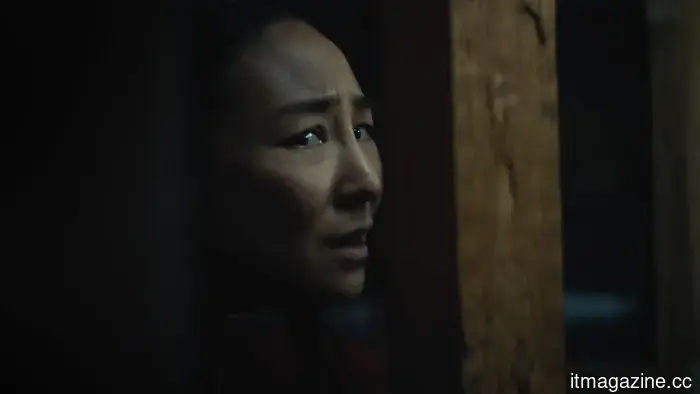
After helming blockbuster hits like Fast X and Now You See Me, director Louis Leterrier has introduced his first sci-fi horror film: The Last House. Featuring Oscar nominee Wagner Moura and Golden Globe nominee Greta Lee, the film tells the story of the Delgado family, who become trapped in their home by an enigmatic rain, forcing them to rely on their limited resources for survival.
In a conversation with Digital Trends, Leterrier shared insights about his motivation for creating The Last House, the challenges of working on a practical set, and how audiences can resonate with the Delgados’ unique experience.
This transcript has been condensed for brevity and clarity.
Digital Trends: You have an impressive filmography filled with blockbuster films, yet The Last House marks your first venture into horror directing. What prompted you to take on this project?
Leterrier: It resonated with me. Interestingly, I don’t see it strictly as a horror film. It can be scary at times, but there's a lot more to it. When I read the script by Matthew Robinson, I instantly related to it.
As you noted, I've worked on numerous action-packed films with plane jumps, car chases, and monsters. Yet, this script made me feel, “Yes, I identify with this. I’ve been through those experiences.” I developed the script further into something deeper, but it originated from a place of relatability.
Digital Trends: At its heart, the story revolves around a family banding together for survival. I understand you aimed for a more “Spielbergian” approach. What specific cinematic influences informed this film?
Netflix / Netflix
Leterrier: I openly acknowledge Steven Spielberg as my favorite director. His "Amblin dark" films from the '80s, where he was possibly dealing with more intense, emotional crises, really resonate with me. Films like Poltergeist, Close Encounters, and of course E.T., which is a major inspiration for me, are part of that.
I watch E.T. weekly, including just last night, to witness truth captured on film. These works, along with the writing of Richard Matheson, who explores uncanny themes adeptly, influenced my movie. I even sought out the same lenses used for E.T. and Raiders of the Lost Ark, which we used for filming.
Digital Trends: That’s fascinating. Returning to your aim of capturing truth on screen, the Delgados' experience feels reminiscent of many people's pandemic lockdown experiences. Was this intentional in your storytelling?
Netflix / Netflix
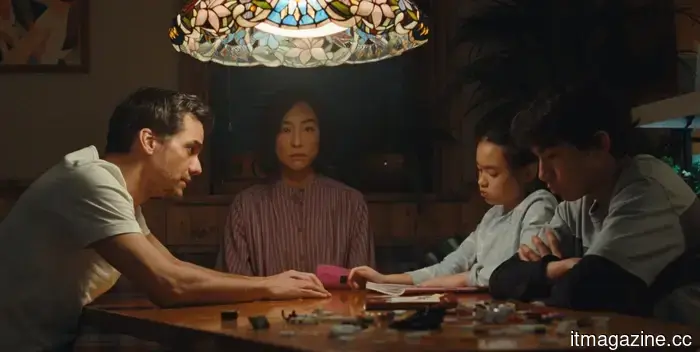
Leterrier: Yes, but I didn’t want it to feel like a COVID film. I drew inspiration from my own and others' experiences during that time, using those feelings as a launchpad. While it’s not directly about COVID, the emotions are relatable since we've all felt that confinement.
The narrative focuses more on the characters' psychological and emotional states, minimizing exposition. It allows us to dive straight into the story’s core, eliminating the need for lengthy explanations.
Digital Trends: What was the most difficult aspect of producing The Last House?
Chris Baker/Netflix / Netflix
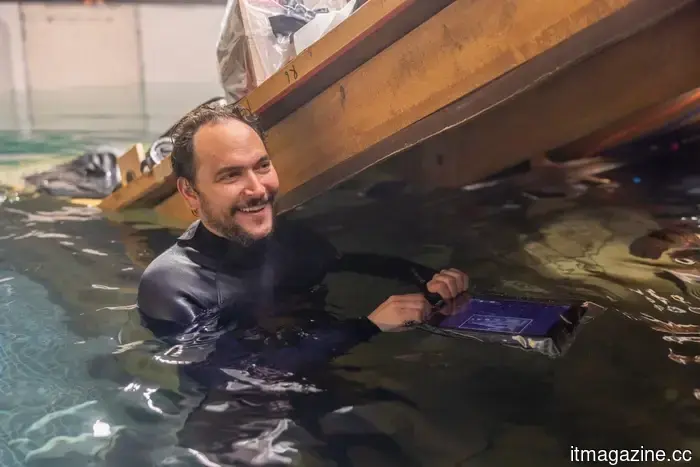
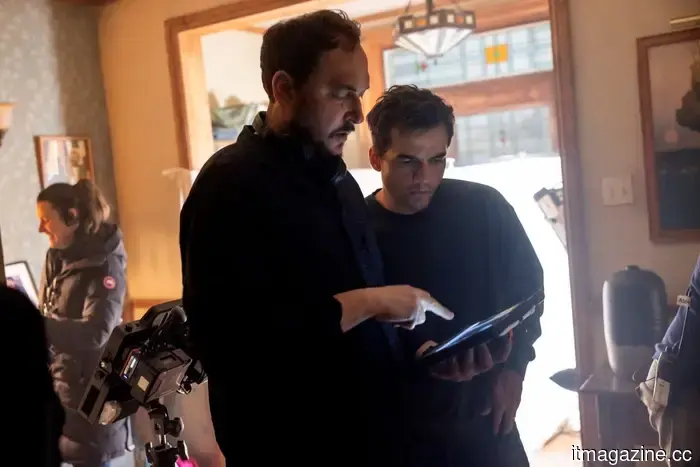
Leterrier: Everything was challenging. This was the toughest movie I’ve ever made. We put ourselves in a real house made of concrete and wood that needed meticulous planning.
We filmed chronologically as we revealed layers of the setting, using real animals and plants. The rain was real, and we aimed for eco-sensitivity by recycling water overnight. We really pushed ourselves for the right reasons, striving to capture authenticity.
Being confined in that house for months was tough, but it paid off. It’s crucial to film something real; it makes the movie feel different. Audiences can instinctively tell when something is genuine, which is why timeless stories like The Odyssey resonate today.
Digital Trends: Wagner Moura and Greta Lee are major stars in this film. What led you to cast them as the Delgados?
Netflix / Netflix
Leterrier: I consider myself fortunate. Greta believed in this film for years. We connected post-Past Lives, and I shared an earlier version of the script with her. Shortly after, I brought Wagner on board before his most recent Oscar nomination.
They were the perfect fit, and we supported one another throughout this journey. I needed them for this adventure, and perhaps they needed me too.
Digital Trends: What do you hope audiences take away from this film? What feelings or lessons do you want them to carry with them after watching the Delgados navigate their challenges?
Netflix / Netflix
Leterrier: I hope viewers gain a different perspective on their lives after watching this movie. They might discover something about themselves through the Delgados' experiences. The beauty of the Spielberg films and the books we discussed is that they serve as reflective mirrors, presenting our own images in unconventional ways. That’s what I aimed to achieve—to create a film that speaks to us.
You can stream The
Other articles
 The Galaxy S26 FE has been leaked in all its color variations, and at least one of them stands out with some character.
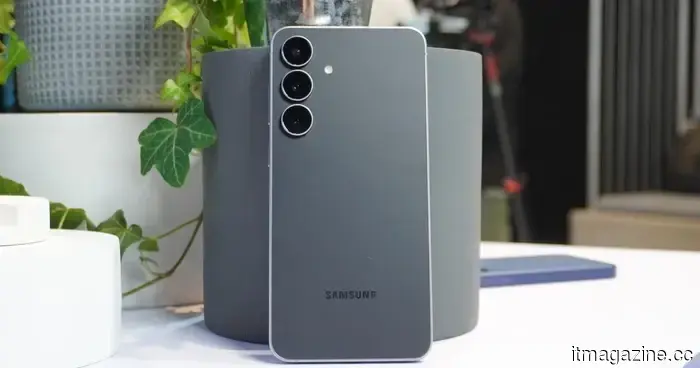
New renders of the Galaxy S26 FE showcase Samsung's forthcoming Fan Edition device in all three anticipated color options, providing a clearer view of its camera redesign that is influenced by the S26.
The Galaxy S26 FE has been leaked in all its color variations, and at least one of them stands out with some character.
New renders of the Galaxy S26 FE showcase Samsung's forthcoming Fan Edition device in all three anticipated color options, providing a clearer view of its camera redesign that is influenced by the S26.
 Dell's renowned XPS series could be making its way into Google's Googlebook ecosystem.
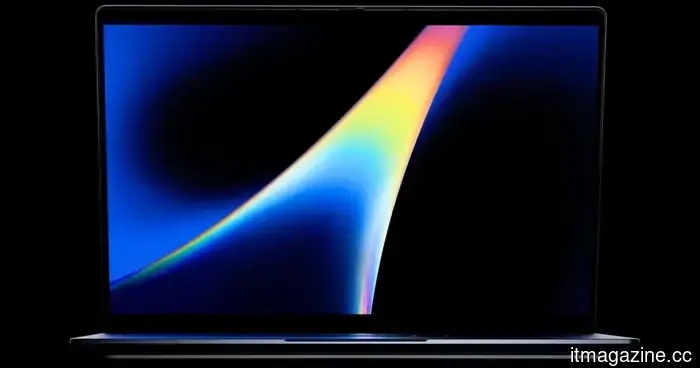
A benchmark leak indicates that Dell is developing its first Googlebook under the XPS brand, featuring a Snapdragon X Elite processor and a 13.4-inch OLED screen.
Dell's renowned XPS series could be making its way into Google's Googlebook ecosystem.
A benchmark leak indicates that Dell is developing its first Googlebook under the XPS brand, featuring a Snapdragon X Elite processor and a 13.4-inch OLED screen.
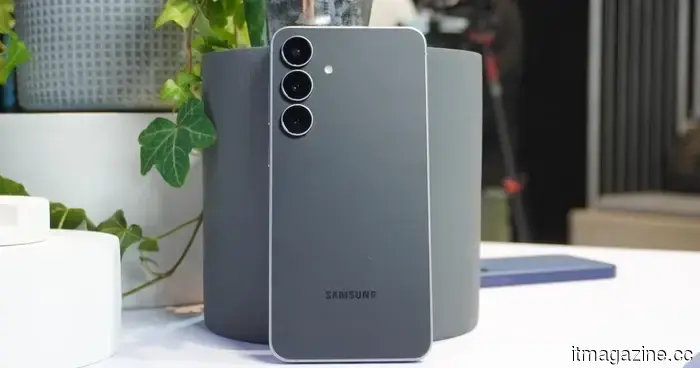 The Galaxy S26 FE has been revealed in all its color options, and at least one of them stands out with some character.
New renders of the Galaxy S26 FE showcase Samsung’s upcoming Fan Edition device in all three anticipated finishes, also providing a clearer view of its camera redesign inspired by the S26.
The Galaxy S26 FE has been revealed in all its color options, and at least one of them stands out with some character.
New renders of the Galaxy S26 FE showcase Samsung’s upcoming Fan Edition device in all three anticipated finishes, also providing a clearer view of its camera redesign inspired by the S26.
EXCLUSIVE: The director of The Last House discusses the filming of Netflix's latest sci-fi horror movie.
In a special interview, director Louis Leterrier shares his insights on the inspirations, obstacles, and artistic vision that shaped Netflix's sci-fi horror film, The Last House.