
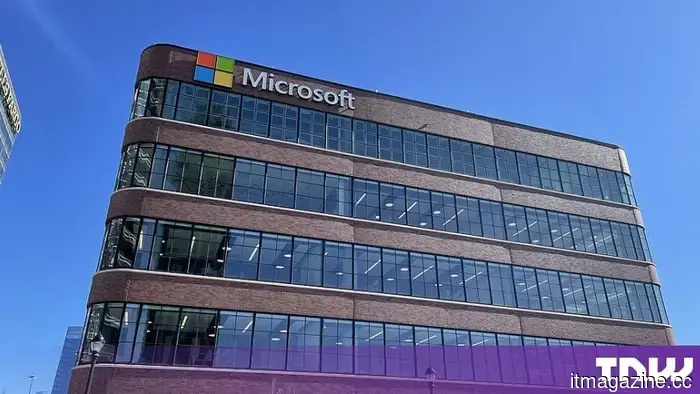
Microsoft instructs employees to refrain from tokenmaxxing and establishes AI budgets at the division level.
In a recent internal email, Microsoft’s executive vice president Jay Parikh urged staff to limit their AI token usage, stating that “tokenmaxxing is not our goal.” This information, initially reported by 404 Media, indicates that Microsoft has shifted its default internal AI model to a more economical alternative from OpenAI and established formal AI token budgets at the division level.
As of July 2026, each Microsoft division now has a spending limit for AI tokens. Employees can monitor their individual AI consumption using an internal dashboard, with many engineers reportedly spending hundreds to several thousand dollars monthly on tokens. This development represents a notable change from the company’s previous stance of promoting widespread AI use among its employees.
This adjustment aligns with a trend observed by TNW since June, when several companies—including AT&T, Meta, Uber, Walmart, and Amazon—started imposing caps or limiting AI spending after realizing that token-based tools function differently from traditional seat-based software licenses that finance teams are equipped to manage. In May, Microsoft had already discreetly discontinued most Claude Code licenses in its Experiences and Devices group, instructing engineers to switch to GitHub Copilot CLI by the end of its fiscal year.
Parikh’s email goes even further by establishing a cheaper model as the standard and implementing division-specific budgets, suggesting that Microsoft is moving towards a system that treats AI tooling more like a utility expense rather than an enterprise software subscription. An unnamed Microsoft employee who shared the email with 404 Media characterized the budget caps as “the ultimate admission” that the company cannot permit unrestricted AI usage among its staff.
Microsoft is not the only company grappling with this issue. Other firms like Amazon, Adobe, Atlassian, and Citi have similarly introduced measures to limit AI usage or enhance spending visibility in recent months. Although the cost per token has decreased by approximately 98 percent since late 2022, overall enterprise AI expenses have tripled, as these tools require significantly more tokens per task compared to the autocomplete interactions that influenced the initial pricing models.
Despite these cost controls, Microsoft's financial status appears solid. The company's latest quarterly results showed that revenue, operating income, and net income all surpassed Wall Street forecasts. However, the implementation of internal cost measures implies that even a profit-generating company like Microsoft views unlimited AI token spending as a potential expense that could escalate more quickly than the productivity benefits it offers.
For employees, the message is straightforward: utilize AI but be aware of the costs. This marks a departure from the “AI for everyone” narrative of a year and a half ago, and it may represent a significant indication that the enterprise AI sector is transitioning from a trial phase to a procurement-focused approach, where each token comes with a cost and every division has an expenditure limit.
Другие статьи
 Джефф Безос подал заявку на продажу примерно $4 миллиарда акций Amazon после того, как капитализация компании достигла $3 триллионов.
Безос подал заявку на продажу 15 миллионов акций Amazon стоимостью около 4 миллиардов долларов через заранее согласованный торговый план, всего через несколько дней после того, как компания преодолела отметку в 3 триллиона долларов.
Джефф Безос подал заявку на продажу примерно $4 миллиарда акций Amazon после того, как капитализация компании достигла $3 триллионов.
Безос подал заявку на продажу 15 миллионов акций Amazon стоимостью около 4 миллиардов долларов через заранее согласованный торговый план, всего через несколько дней после того, как компания преодолела отметку в 3 триллиона долларов.
 Cracken открывает доступ к своей платформе кибербезопасности с поддержкой ИИ в режиме самообслуживания
Cracken запустил уровень самообслуживания своей проактивной платформы безопасности, начиная с 199 долларов в месяц, через несколько недель после того, как модели ИИ вышли из тестовых сред.
Cracken открывает доступ к своей платформе кибербезопасности с поддержкой ИИ в режиме самообслуживания
Cracken запустил уровень самообслуживания своей проактивной платформы безопасности, начиная с 199 долларов в месяц, через несколько недель после того, как модели ИИ вышли из тестовых сред.
 Новые карманные камеры RISION превращают ваш телефон в удобный инструмент тепловизионной съемки.
Новые 24-граммовые USB-C камеры RISION превращают поддерживаемые телефоны, планшеты и компьютеры в инструменты тепловой инспекции, начиная с цен в $119 в период предварительного заказа.
Новые карманные камеры RISION превращают ваш телефон в удобный инструмент тепловизионной съемки.
Новые 24-граммовые USB-C камеры RISION превращают поддерживаемые телефоны, планшеты и компьютеры в инструменты тепловой инспекции, начиная с цен в $119 в период предварительного заказа.
 T-Mobile финансирует налоги на телефоны, так как нехватка памяти ощущается.
T-Mobile будет финансировать налоги и сборы на ваш телефон в течение 36 месяцев без первоначального взноса, обвиняя нехватку памяти, управляемую ИИ, в росте цен на телефоны.
T-Mobile финансирует налоги на телефоны, так как нехватка памяти ощущается.
T-Mobile будет финансировать налоги и сборы на ваш телефон в течение 36 месяцев без первоначального взноса, обвиняя нехватку памяти, управляемую ИИ, в росте цен на телефоны.
 Toyota выпустит батареи следующего поколения для гибридов в 2027 году, нацеливаясь на продажу 5 миллионов гибридов.
Toyota преобразует японские линии батарей в аккумуляторы нового поколения для 600 000 автомобилей, поскольку продажи гибридов впервые в истории превысили 5 миллионов единиц по всему миру.
Toyota выпустит батареи следующего поколения для гибридов в 2027 году, нацеливаясь на продажу 5 миллионов гибридов.
Toyota преобразует японские линии батарей в аккумуляторы нового поколения для 600 000 автомобилей, поскольку продажи гибридов впервые в истории превысили 5 миллионов единиц по всему миру.
 Anthropic назначает главу глобальных дел для ведения дипломатии в области ИИ на фоне нарастания напряженности с Трампом
Anthropic назначила Мариано-Флорентино Куэля своим первым директором по глобальным делам, поскольку компания ИИ сталкивается с черным списком Пентагона и борьбой с экспортным контролем.
Anthropic назначает главу глобальных дел для ведения дипломатии в области ИИ на фоне нарастания напряженности с Трампом
Anthropic назначила Мариано-Флорентино Куэля своим первым директором по глобальным делам, поскольку компания ИИ сталкивается с черным списком Пентагона и борьбой с экспортным контролем.
Microsoft instructs employees to refrain from tokenmaxxing and establishes AI budgets at the division level.
Microsoft EVP Jay Parikh instructed employees to limit their use of AI tokens, changed the default model to a more economical option, and assigned a formal AI budget for each division.