
How artificial intelligence is simplifying corporate travel logistics.
The evolution of enterprise software has addressed numerous operational challenges over the last ten years. Supply chains are now monitored in real time, and global payrolls operate seamlessly across various tax jurisdictions with pinpoint accuracy. However, organizing a basic business trip often still forces employees to deal with outdated interfaces and cumbersome approval processes. Having highly paid professionals spend hours navigating clunky policy sites and searching for hotel receipts is a significant waste of human resources. The core issue lies not in a lack of available options but in ineffective system orchestration.
The next phase of enterprise transformation is beginning to fill this void by transforming static procurement portals into dynamic predictive engines that anticipate user requirements.
The Administrative Burden of Enterprise Mobility
When a company expands its operations globally, the logistical challenges of relocating teams become exponentially more complex. A standard international project launch necessitates coordinating flights across various time zones, arranging local transportation, and ensuring accommodations adhere to strict regional budget limits. Relying on outdated procurement systems to manage this intricate web of factors introduces substantial friction and delays in approvals.
The adoption of intelligent corporate travel booking tools significantly alters this scenario. Rather than compelling employees to compare policy documents with flight itineraries, modern platforms quickly assess constraints and present only compliant options that fit corporate guidelines.
This transition from manual checks to automated compliance saves thousands of hours in administrative tasks every quarter. Procurement leaders are freed from having to review expense reports for policy violations post-factum, since the system automatically blocks noncompliant transactions at the point of sale.
This change removes the uncomfortable discussions between finance and employees about unauthorized hotel upgrades.
Integrating Intelligence into Workflows
The real advantage of contemporary algorithms lies in their capacity to function unobtrusively within the software tools that employees regularly use. For years, AI in corporate travel was a trendy topic that seldom produced practical outcomes. Currently, there is a significant shift from isolated chatbots to integrated workflow automation. This technology is moving from experimental phases into the daily operational tech stacks of enterprises.
Consider the actual impact of intelligent software agents acting on behalf of executives. A recent survey on agentic AI indicated that top executives expect autonomous software to manage complex scheduling and procurement tasks without any input from the traveler.
If an important client delays an afternoon meeting by four hours, an intelligent system can automatically assess the new schedule, rebook a later flight, adjust hotel checkout times, and notify transportation services without any need for the traveler’s manual involvement.
Automating the Vendor Ecosystem
The advantages of algorithmic orchestration extend well beyond individual employee experiences. Behind the scenes, travel managers constantly negotiate with airlines and hotels to secure the best corporate rates. This procurement process has traditionally been slow and burdensome with paperwork.
Through RFP automation, organizations can instantly scrutinize their past transit data and produce pinpointed requests for proposals in mere seconds. The software identifies global routes with the highest employee traffic and automatically negotiates volume discounts with preferred carriers based on actual usage data rather than approximate estimates.
This level of data-driven procurement generates considerable cost savings that go directly to the bottom line. It also enables travel managers to move away from tedious spreadsheet work and focus solely on cultivating strategic vendor relationships.
As artificial intelligence manages the quantitative workload, human negotiators can dedicate their efforts to securing exclusive benefits and enhancing service level agreements for their traveling staff.
The Changing Landscape of Administrative Support
The emergence of intelligent systems is also transforming how modern companies perceive administrative staffing and support structures. Previously, managing busy travel schedules necessitated a dedicated team of coordinators.
While top-tier virtual assistant services still deliver significant value for tailored executive support, the need for manual itinerary management is rapidly declining. Autonomous booking engines enable everyday employees to independently manage their travel needs with full assurance from an intelligent backend that monitors for disruptions.
This shift is occurring amid a highly competitive global labor market for both technical and administrative roles. As the current talent shortage compels companies to optimize their human resources, deploying intelligent software to manage repetitive logistical tasks is evolving from a convenience into a strategic necessity.
By automating itinerary management with predictive algorithms, organizations can redirect their employees towards high-impact, creative work that truly propels the business forward.
The future of corporate mobility is not merely about improving search functionalities; it is about anticipating exact needs and ensuring a seamless travel experience.
Other articles
 Foldable phones have progressed significantly. PITAKA's newest collection of cases showcases this change.
Foldable smartphones are setting new standards for high-end mobile design. Selecting the appropriate case is equally important. PITAKA's latest range presents an innovative take on protection, featuring a series designed to enhance Samsung's latest foldable devices.
Foldable phones have progressed significantly. PITAKA's newest collection of cases showcases this change.
Foldable smartphones are setting new standards for high-end mobile design. Selecting the appropriate case is equally important. PITAKA's latest range presents an innovative take on protection, featuring a series designed to enhance Samsung's latest foldable devices.
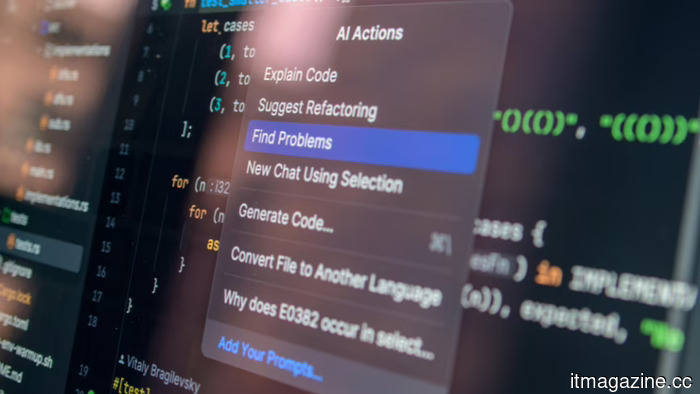 Vulnerabilities identified by AI are seldom being exploited.
VulnCheck found that AI-identified vulnerabilities are emerging at double the rate compared to last year, yet only 1.3% were exploited in the first half of 2026.
Vulnerabilities identified by AI are seldom being exploited.
VulnCheck found that AI-identified vulnerabilities are emerging at double the rate compared to last year, yet only 1.3% were exploited in the first half of 2026.
 Tokyo allows AI to act as a matchmaker, resulting in hundreds of couples already getting married.
An AI-driven dating app in Tokyo has facilitated 265 marriages since 2024, as the city implements an unconventional government initiative to address Japan's declining birth rate issue.
Tokyo allows AI to act as a matchmaker, resulting in hundreds of couples already getting married.
An AI-driven dating app in Tokyo has facilitated 265 marriages since 2024, as the city implements an unconventional government initiative to address Japan's declining birth rate issue.
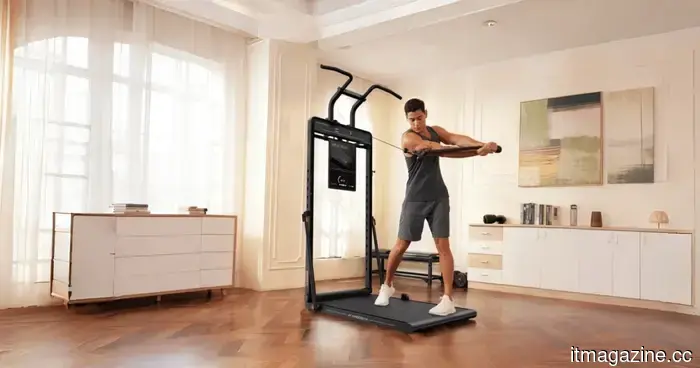 Why Home Smart Strength Training Is Becoming More Accurate
The contemporary home gym is influenced equally by the available space as it is by fitness goals. In apartments, multipurpose rooms, and homes where exercise equipment often shares space, it can be challenging to rationalize a large setup. This necessity has driven product design to focus on systems that remain compact while still accommodating substantial strength training needs.
Why Home Smart Strength Training Is Becoming More Accurate
The contemporary home gym is influenced equally by the available space as it is by fitness goals. In apartments, multipurpose rooms, and homes where exercise equipment often shares space, it can be challenging to rationalize a large setup. This necessity has driven product design to focus on systems that remain compact while still accommodating substantial strength training needs.
 The handoff tax: The expenses incurred when your representative is alone during the call.
Every B2B transition loses momentum, context, and trust. 1mind places an AI sales engineer on the live call to bridge the gap where most deals tend to falter.
The handoff tax: The expenses incurred when your representative is alone during the call.
Every B2B transition loses momentum, context, and trust. 1mind places an AI sales engineer on the live call to bridge the gap where most deals tend to falter.
How artificial intelligence is simplifying corporate travel logistics.
AI is transforming traditional travel procurement portals into predictive systems that apply policy at the time of purchase, reschedule disrupted travel plans, and automatically negotiate vendor pricing.