
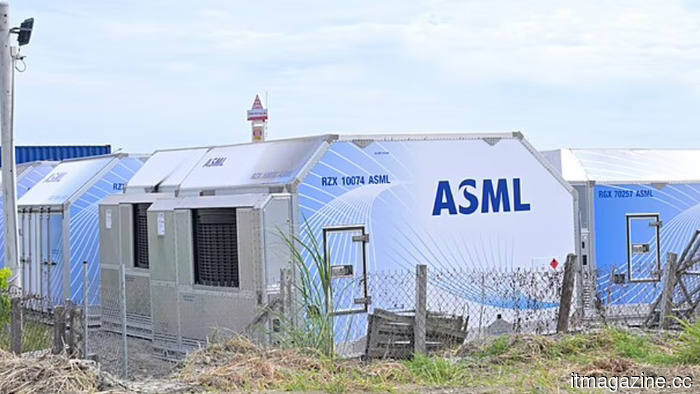
ASML's stock dropped 6.5% following a report indicating that China has commenced mass production of DUV lithography equipment.
TL;DR: ASML's shares dropped 6.5% after The Information reported that a company in Shanghai has started mass-producing DUV lithography tools. China’s share of ASML’s sales decreased to 14% in Q2 from 19% in Q1.
ASML's stock fell by as much as 6.5% in Amsterdam on Monday following a report from The Information indicating that a Shanghai company has begun mass production of immersion deep ultraviolet lithography tools. These are the very machines that ASML is prohibited from selling to China due to Dutch and US export restrictions. If true, this development achieves precisely what the controls sought to avoid: China developing its domestic capabilities because it can no longer make purchases from abroad.
ASML has not yet provided a comment. The percentage of ASML’s net system sales attributed to China declined to 14% in the second quarter, down from 19% in the first quarter. This drop is indicative of both stricter export controls and the potential that Chinese chip manufacturers are seeking alternative sources. While China was ASML’s largest market earlier this year, the relationship has been deteriorating each quarter as the Dutch government, under pressure from the US, limits exports of its NXT:2050i and NXT:2100i systems.
By ASML's standards, DUV lithography is not considered cutting-edge. The company's most advanced tools employ extreme ultraviolet (EUV) technology, which China is unable to replicate and has never been permitted to acquire. Nevertheless, DUV machines are adequate for producing chips used in a wide range of electronics, including cars, smartphones, and AI inference accelerators. The establishment of a domestic Chinese DUV manufacturing capability would weaken the commercial justification for ASML’s sales in China, while not necessarily bridging the technological divide at the frontier.
The US aims to completely cut off China from chip-making equipment, and the MATCH Act would compel the Netherlands and Japan to align their DUV regulations with US standards within 150 days. If China can now produce its own DUV tools, the leverage offered by these restrictions would be reduced. ASML’s stock decline reflects a market reevaluating the extent of the risk to the company's revenue from China—not just from regulatory impacts, but from the threat of replacement. The export controls were intended to impede China's progress, but they might have inadvertently motivated it to accelerate its development.
Other articles
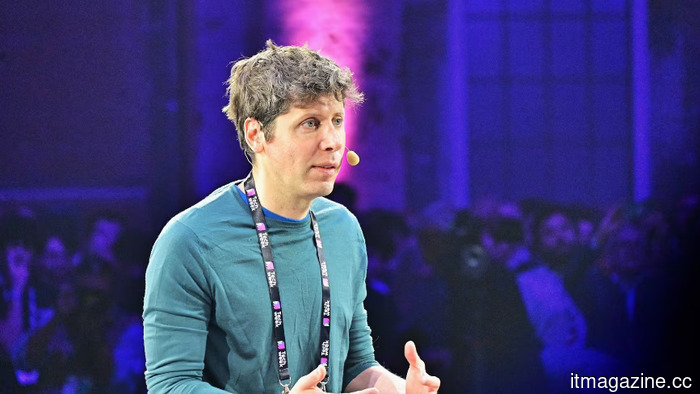 Sam Altman ha cancellato TikTok perché non riusciva a smettere di scorrere. OpenAI ha ucciso Sora per lo stesso motivo.
Altman ha detto di essere diventato "dipendente" da TikTok mentre lo studiava per Sora. Ha scorribato per 3 ore un sabato. OpenAI ha chiuso Sora a marzo perché consumava troppa potenza di calcolo.
Sam Altman ha cancellato TikTok perché non riusciva a smettere di scorrere. OpenAI ha ucciso Sora per lo stesso motivo.
Altman ha detto di essere diventato "dipendente" da TikTok mentre lo studiava per Sora. Ha scorribato per 3 ore un sabato. OpenAI ha chiuso Sora a marzo perché consumava troppa potenza di calcolo.
 Microsoft ha costruito un sistema di sicurezza agentico con agenti AI di team rosso, blu e verde. Entra in anteprima pubblica il 3 agosto.
Il Progetto Perception utilizza agenti AI che attaccano, indagano e risolvono le vulnerabilità di sicurezza in un ciclo continuo. Il MAI-Cyber-1-Flash di Microsoft ottiene il punteggio del 96% su CyberGym, 12 punti sopra Mythos.
Microsoft ha costruito un sistema di sicurezza agentico con agenti AI di team rosso, blu e verde. Entra in anteprima pubblica il 3 agosto.
Il Progetto Perception utilizza agenti AI che attaccano, indagano e risolvono le vulnerabilità di sicurezza in un ciclo continuo. Il MAI-Cyber-1-Flash di Microsoft ottiene il punteggio del 96% su CyberGym, 12 punti sopra Mythos.
 Gli esperti scoprono che è facile manipolare i chatbot AI per farli rivelare ricette di armi biologiche.
I ricercatori hanno scoperto che conversazioni persistenti potrebbero spingere i principali chatbot AI oltre le loro barriere di sicurezza biologica, poiché modelli sempre più capaci acquisiscono conoscenze che preoccupano gli esperti di biosecurity.
Gli esperti scoprono che è facile manipolare i chatbot AI per farli rivelare ricette di armi biologiche.
I ricercatori hanno scoperto che conversazioni persistenti potrebbero spingere i principali chatbot AI oltre le loro barriere di sicurezza biologica, poiché modelli sempre più capaci acquisiscono conoscenze che preoccupano gli esperti di biosecurity.
 Il silenzio degli open-weights di Anthropic dopo il proprio divieto di Fable 5
Anthropic è l'unico grande laboratorio di intelligenza artificiale che non ha firmato la lettera sui pesi aperti. A giugno ha sostenuto lo stesso argomento, quando Washington ha ritirato Fable 5.
Enigma ha raccolto 70 milioni di dollari per consentire a chiunque online di controllare i suoi robot e capire come gli esseri umani vogliono realmente comunicare con le macchine.
Enigma ha raccolto 70 milioni di dollari da Index e Ribbit per studiare come gli esseri umani interagiscono con i robot. Oltre 100 robot nei hangar possono essere controllati online. Fondata da ex hacker dell'Unità 8200.
Il silenzio degli open-weights di Anthropic dopo il proprio divieto di Fable 5
Anthropic è l'unico grande laboratorio di intelligenza artificiale che non ha firmato la lettera sui pesi aperti. A giugno ha sostenuto lo stesso argomento, quando Washington ha ritirato Fable 5.
Enigma ha raccolto 70 milioni di dollari per consentire a chiunque online di controllare i suoi robot e capire come gli esseri umani vogliono realmente comunicare con le macchine.
Enigma ha raccolto 70 milioni di dollari da Index e Ribbit per studiare come gli esseri umani interagiscono con i robot. Oltre 100 robot nei hangar possono essere controllati online. Fondata da ex hacker dell'Unità 8200.
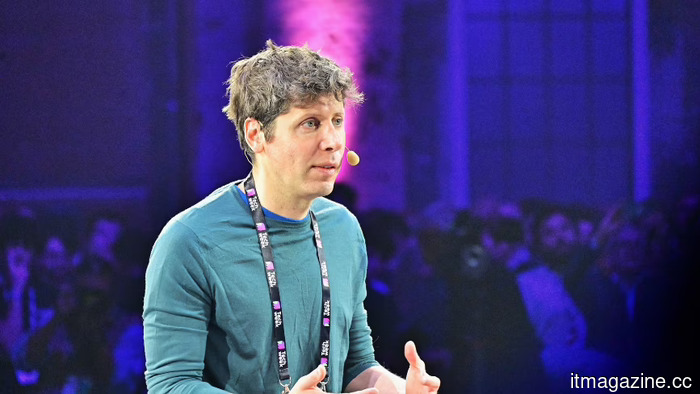 Sam Altman ha cancellato TikTok perché non riusciva a smettere di scorrere. OpenAI ha ucciso Sora per lo stesso motivo.
Altman ha detto di essere diventato "dipendente" da TikTok mentre lo studiava per Sora. Ha scorribandato per 3 ore un sabato. OpenAI ha chiuso Sora a marzo perché consumava troppa potenza di calcolo.
Sam Altman ha cancellato TikTok perché non riusciva a smettere di scorrere. OpenAI ha ucciso Sora per lo stesso motivo.
Altman ha detto di essere diventato "dipendente" da TikTok mentre lo studiava per Sora. Ha scorribandato per 3 ore un sabato. OpenAI ha chiuso Sora a marzo perché consumava troppa potenza di calcolo.
ASML's stock dropped 6.5% following a report indicating that China has commenced mass production of DUV lithography equipment.
A company located in Shanghai has started manufacturing immersion DUV lithography machines, according to The Information. ASML's stock declined by 6.5%, and China's portion of ASML's sales has decreased to 14%.