
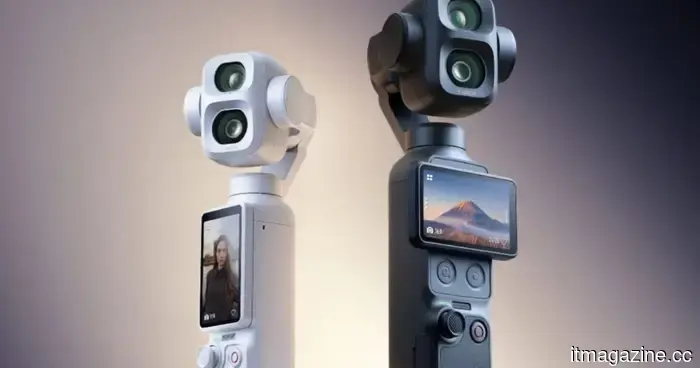
The FCC's recent actions may jeopardize not only DJI drones but also other devices in the US.
DJI may have devised inventive methods to continue supplying some of its products in the US, but these efforts are now attracting increasing scrutiny from regulators. As reported by The Verge, the US Federal Communications Commission (FCC) has begun to target various companies that it suspects are assisting DJI in maintaining product sales within the country. Industry analysts have labeled these businesses as "DJI front companies" since they sell or import items that seem closely connected to the Chinese drone manufacturer while operating under different brands.
DJI’s potential alternative route may be diminishing
One such company is XTRA, an American brand that offers accessories and cameras geared towards creators, while another is Skyrover, linked to DJI drones. The FCC has also identified several other companies, such as Cogito Tech, Fixaxo Technology, Lyno Dynamics, Skyhigh Tech, Spatial Hover, SZ Knowact, and WaveGo Tech.
The agency indicated that it contacted these companies earlier this year to assess if they were selling radio equipment that falls under existing regulations. According to the report, none responded, leading the FCC to pursue financial penalties. This situation is not merely a regulatory conflict for consumers; it could directly influence which DJI-powered products are available for purchase in the US. The FCC has been progressively tightening restrictions on Chinese telecommunications and drone firms due to concerns about national security. Earlier this year, it widened its Covered List to include additional foreign drone companies, significantly complicating the process for those affected brands to obtain the certifications necessary for selling wireless devices in the US.
Your next DJI camera might be affected as well
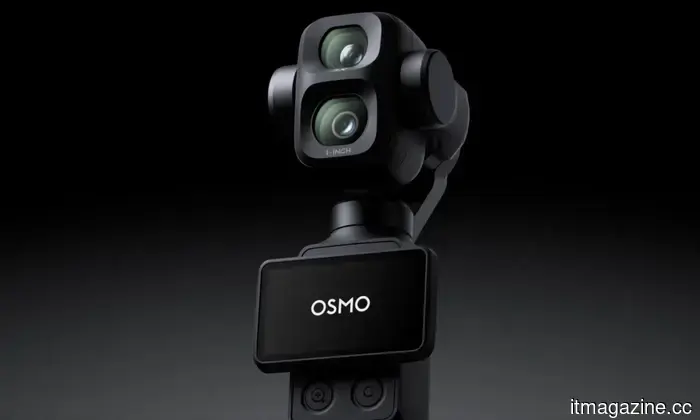
The regulations have extended beyond what many realize. It's no longer just drones that are under examination. If another device — for instance, a handheld camera intended for vloggers — depends on wireless technology from a company listed on the Covered List, it could encounter similar obstacles. This is particularly relevant as DJI's technology now extends beyond aerial cameras; the company produces well-known products like the Osmo Pocket series and wireless creator equipment that competes with those from Insta360 and GoPro.
Reporting another development, The Verge mentions that certain FCC certification documents for the DJI Osmo Pocket 4 Pro and XTRA products, which were previously available in the agency’s public database, have since vanished. It's uncertain if this is a temporary situation or related to the FCC's latest actions, but if these approvals are ultimately rescinded, bringing those products to the US market could become significantly more challenging. For the moment, this does not imply that existing DJI devices will abruptly cease functioning; however, it does indicate that future launches — even those unrelated to drones — may encounter a much more complicated path to market in the US if they utilize DJI hardware or technology. This is something that creators, drone aficionados, and anyone eager for DJI’s next camera should monitor closely.
Shimul is a contributor at Digital Trends, with over five years of experience in the tech industry.
I purchased Kodak’s famed keychain camera, and its poor picture quality is part of its appeal
The Kodak Charmera is hardly a conventional camera, yet I continue using it
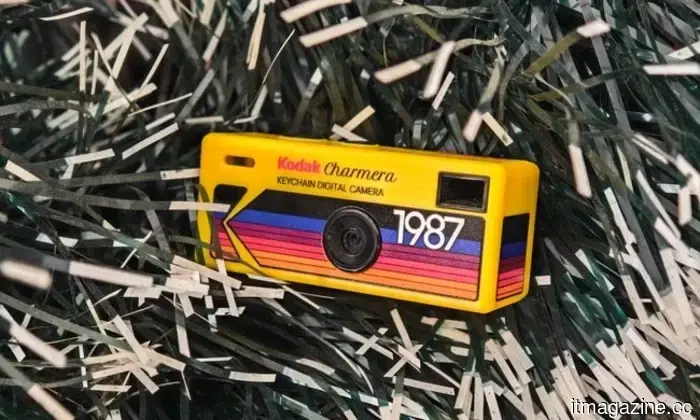
I bought the Kodak Charmera partly because I desired a portable digital camera, and partly due to its charm as a collectible. The Charmera is sold in a blind box, meaning you won’t know which version you’ll receive until you open it. There are numerous retro Kodak-style designs, including a transparent secret edition that many would prefer.
I asked the shopkeeper to select my box for better luck, and it paid off. I received the yellow version, inspired by Kodak's original 80s disposable camera. While the transparent variant is indeed the exciting collectible, the yellow model feels more representative of Kodak. It resembles a miniature toy camera that escaped from a souvenir shop, found a keyring, and now accompanies you wherever you go.
Read more
This new $30 keychain camera is taking aim at Kodak Charmera with a flip screen for selfies
Yashica's latest camera enhances toy photography fun
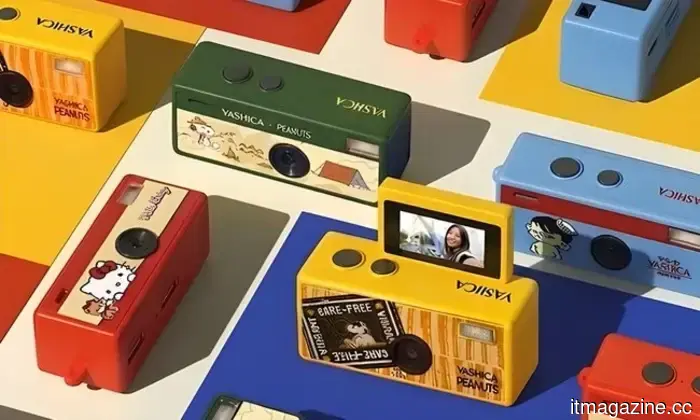
Tiny digital cameras are trending, and Yashica is now introducing its own delightful offering for toy photography. The new Funtastic Keychain Camera is precisely what the name implies: a miniature digital camera small enough to attach to your keys, bag, or lanyard. The popular Kodak Charmera serves as a clear comparison, having become a viral collectible due to its tiny blind-box format.
Yashica's version enters the novelty camera market with one very handy feature: a 180-degree flip screen.
Google launches significant v4.0 update for its well-known Snapseed editing app on Android
After an extended period of inactivity, Google seems to have remembered that it owns one of the top mobile photo editing apps. Snapseed 4.0 is now being rolled out for Android, bringing the platform up to date after a phase of iOS exclusivity that left Android users waiting.
The saga began last June when Google quietly released a significant 3.0 update for i
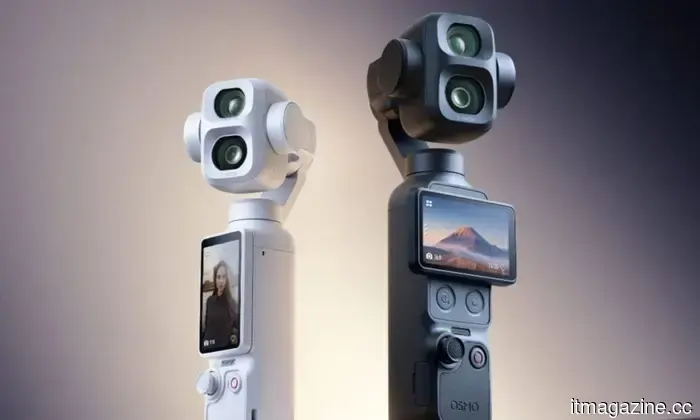
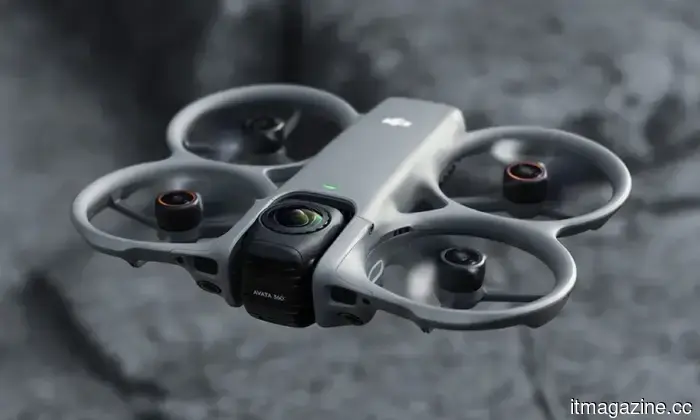



The FCC's recent actions may jeopardize not only DJI drones but also other devices in the US.
The FCC is said to be intensifying its scrutiny of companies associated with DJI, a step that may complicate the entry of future DJI cameras and drones into the US market.