
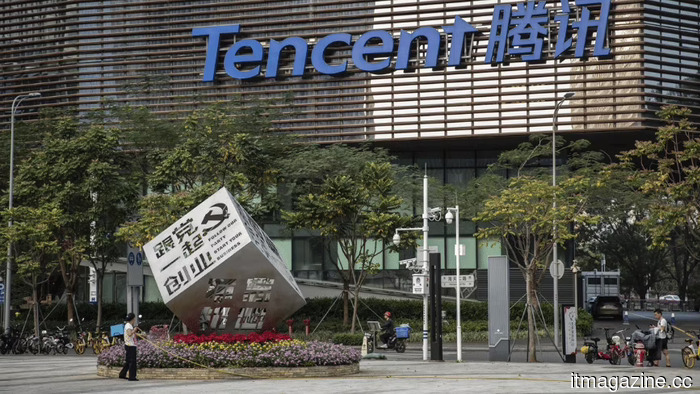
Tencent plans to divest up to $1.6 billion of its shares in Kuaishou.
TL;DRTencent is selling approximately 273 million shares of Kuaishou (a 7.5% stake) in a block trade valued at up to $1.55-1.6 billion, reducing its ownership from 15.68% to around 9.37%. This transaction occurs shortly after Tencent helped finance Kuaishou's Kling AI spin-off, indicating a shift from established short video to generative AI.
According to Bloomberg, Tencent is aiming to raise up to $1.6 billion by divesting its stake in the short-video platform Kuaishou. A document reviewed by Reuters shows the block trade could reach up to $1.55 billion.
The transaction involves around 273 million shares, priced between HK$43.15 and HK$44.53 each, which represents a discount of 3.2% to 6.2% compared to Monday’s closing price in Hong Kong. This sale reduces Tencent’s stake in Kuaishou from 15.68% to about 9.37%, with Kuaishou confirming the off-market transaction in an exchange filing. Meanwhile, Kuaishou has continued with its own share buyback programs.
Tencent has a history of reducing or redistributing stakes in companies like JD.com and Meituan when it perceives the investments as mature. Its financial influence remains significant within Chinese tech.
The timing of this divestment is noteworthy, occurring right after Tencent participated in a $2.8 billion funding round for Kling AI, Kuaishou’s generative video unit. Kling initially raised $2 billion during its spin-off at an approximate valuation of $18 billion.
This funding round became a point of geopolitical tension when General Atlantic attempted to lead it just as Beijing urged AI firms to shun US investments. Chinese investors, including Tencent, stepped in to fill the void.
This sale appears to signify a transition away from the established short-video sector and towards the emerging AI layer being developed. Kuaishou’s domestic market is promising, particularly with China’s $16.5 billion micro-drama industry serving as a primary application for AI-generated video.
Tencent's relationship with Kuaishou has been built over years of competing against ByteDance for attention in the short-video space. The company also has other capital commitments, including a reported $3 billion deal with CXMT for domestic memory as it develops AI infrastructure.
For Kuaishou, having a reducing anchor investor is less concerning when that investor is simultaneously supporting its future growth. Tencent is not exiting the partnership; rather, it is shifting its focus.
Other articles
 Xbox has spun off four studios, including Ninja Theory, the creator of Senua, as extensive layoffs commence.
Xbox will lay off 3,200 employees, and Ninja Theory, Undead Labs, Compulsion Games, and Double Fine Productions are departing from the Xbox Games Studio label.
Xbox has spun off four studios, including Ninja Theory, the creator of Senua, as extensive layoffs commence.
Xbox will lay off 3,200 employees, and Ninja Theory, Undead Labs, Compulsion Games, and Double Fine Productions are departing from the Xbox Games Studio label.
 The Expense of Tool Overload: The Reason Companies Are Moving Away from Numerous Applications
Relying on different applications for each task in the workplace can subtly increase expenses and complications. Bitrix24 is convinced that there's a more efficient approach to creating a modern workspace with a comprehensive business suite.
The Expense of Tool Overload: The Reason Companies Are Moving Away from Numerous Applications
Relying on different applications for each task in the workplace can subtly increase expenses and complications. Bitrix24 is convinced that there's a more efficient approach to creating a modern workspace with a comprehensive business suite.
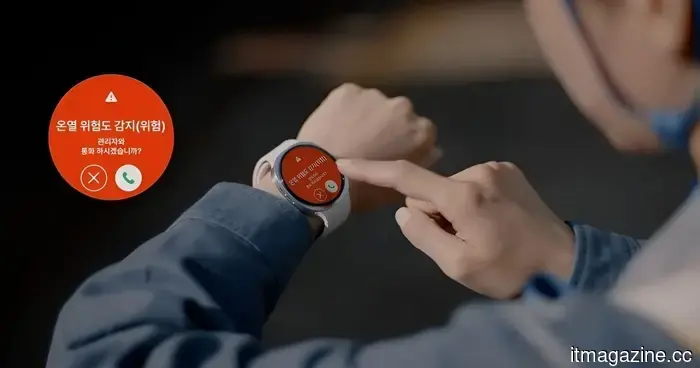 Samsung is utilizing Galaxy smartwatches to protect employees from health issues related to heat.
Samsung is employing Galaxy Watches, environmental sensors, and predictive algorithms to alert managers when outdoor workers might be nearing hazardous levels of heat stress.
Samsung is utilizing Galaxy smartwatches to protect employees from health issues related to heat.
Samsung is employing Galaxy Watches, environmental sensors, and predictive algorithms to alert managers when outdoor workers might be nearing hazardous levels of heat stress.
 Ways in which crypto payment processors can assist businesses in accepting cryptocurrency.
A guide to cryptocurrency payment processors, such as 0xProcessing, which enable businesses to accept payments in cryptocurrencies. This guide will explain their functionality, security features, and advantages, such as lower transaction fees and the ability to reach a global customer base.
Ways in which crypto payment processors can assist businesses in accepting cryptocurrency.
A guide to cryptocurrency payment processors, such as 0xProcessing, which enable businesses to accept payments in cryptocurrencies. This guide will explain their functionality, security features, and advantages, such as lower transaction fees and the ability to reach a global customer base.
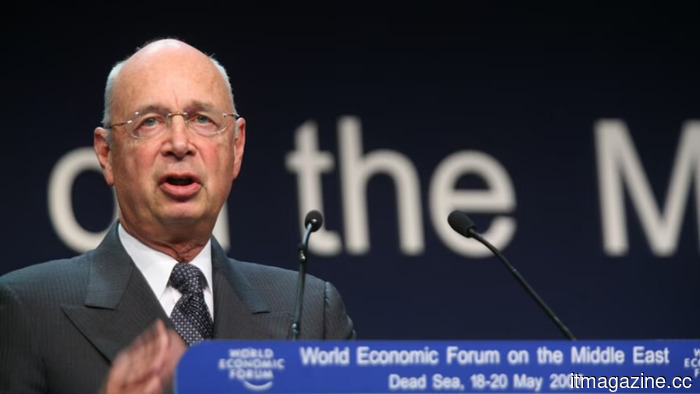 Klaus Schwab mentions that he discovered a bug in his home office.
The founder of the WEF lodged a criminal complaint in Geneva following the discovery of a hidden listening device during a security check, concluding a tumultuous two-year period.
Klaus Schwab mentions that he discovered a bug in his home office.
The founder of the WEF lodged a criminal complaint in Geneva following the discovery of a hidden listening device during a security check, concluding a tumultuous two-year period.
 Before Apple, Caviar is unveiling the foldable iPhone Ultra with a touch of luxury.
Caviar is not holding off for Apple's initial foldable iPhone, as it unveils a luxurious collection of 19 units inspired by the speculated iPhone Ultra.
Before Apple, Caviar is unveiling the foldable iPhone Ultra with a touch of luxury.
Caviar is not holding off for Apple's initial foldable iPhone, as it unveils a luxurious collection of 19 units inspired by the speculated iPhone Ultra.
Tencent plans to divest up to $1.6 billion of its shares in Kuaishou.
The block trade almost reduces Tencent's stake in Kuaishou by half, just weeks after it supported the platform's $18 billion Kling AI spinoff.