
Research shows that TikTok's "Not Interested" button becomes ineffective in just a few minutes.
A study conducted by Northeastern University discovered that TikTok's "Not Interested" button is merely a short-term solution, as unwanted content reappears in your feed within minutes.
If you've been using TikTok's “Not Interested” button to try and improve your feed, recent research indicates that its effectiveness is not as long-lasting as the platform suggests. The study from Northeastern University’s Khoury College of Computer Sciences found that the feature only offers fleeting relief, with unwanted content quickly returning after users stop utilizing it.
How the researchers conducted their examination
Led by Professor Piotr Sapiezynski and doctoral student Levi Kaplan, the research team executed a sock puppet audit of TikTok’s mobile app in three phases. They created automated accounts and trained each on cooking, fitness, or sports betting by having them view over 200 videos on each subject. The accounts were divided into groups: one group marked videos as “Not Interested,” while the other simply swiped past them.
In the short term, tapping the button proved more effective than swiping in most test scenarios across all three categories. However, the long-term findings painted a different picture. Once the accounts ceased using the button, the flagged content returned rapidly, particularly with cooking videos, which were the baseline category for the study.
The larger issue
The researchers pointed out that the primary concern is consistency. The effectiveness of the button varied significantly by topic, and users had no dependable method to predict when or why it would lose its efficacy. Kaplan emphasized that while the button is superior to doing nothing, TikTok users whose feeds remain filled with content they have actively dismissed are experiencing a recognized behavior of the platform, rather than a malfunction. Sapiezynski noted that these findings could be significant for regulators in the European Union, as a control feature that fails to operate as promised may be considered a dark pattern under the Digital Services Act.
This research contributes to a growing body of evidence questioning whether social media platforms' user controls perform as advertised. The researchers have urged TikTok to ensure that the feature consistently works across all content categories.
TikTok is exploring voice calls in direct messages, as scrolling alone isn’t enough.
Apparently, scrolling, texting, and gaming in your DMs wasn’t sufficient. TikTok seems to be testing voice calling within direct messages, a development that could position the short-video app in closer competition with messaging platforms like Messenger and WhatsApp. Jonah Manzano recently spotted this feature on X and shared screenshots, including an incoming call notification labeled "TikTok Audio" along with a phone icon added to the DM interface.
From voice notes to calls
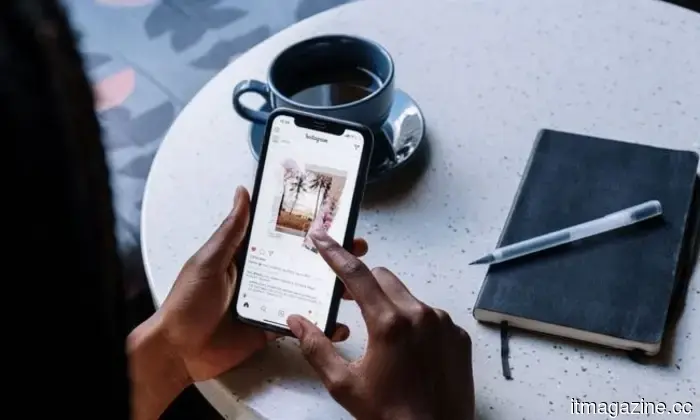
Instagram now allows you to specify exactly what you want to see on your main feed.
Instagram's Your Algorithm feature now enables you to manage what appears in your feed.
For years, Instagram has been subtly influencing your feed without directly asking for your preferences. That’s about to change. Instagram head Adam Mosseri announced that the Your Algorithm feature, which allows you to see and modify the topics Instagram aligns with your interests, will soon be available on your main feed. It has already been operational on Reels and in the Explore section, and this week’s update extends it to the place where most users spend the majority of their time.
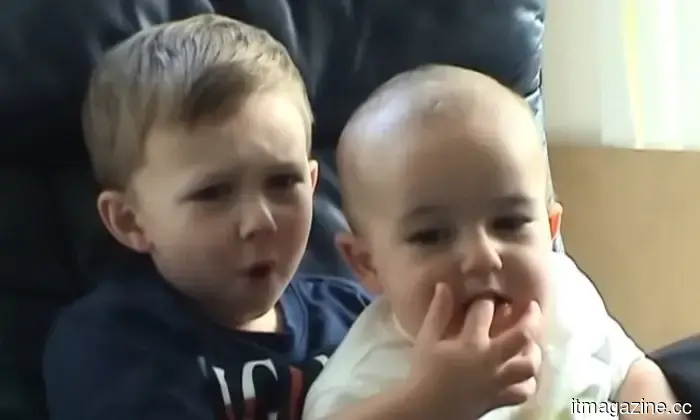
The UK's film body is preserving internet memes and viral videos, including "Charlie bit my finger."
Classic memes are now recognized as an integral part of internet history.
The internet's most entertaining little masterpieces are receiving archival treatment. The British Film Institute has preserved around 430 online videos as part of a collection aimed at safeguarding culturally important moments from the internet. This collection spans approximately three decades of British online culture, covering everything from early live-streaming experiments to viral memes that have embedded themselves in everyday language.

Otros artículos
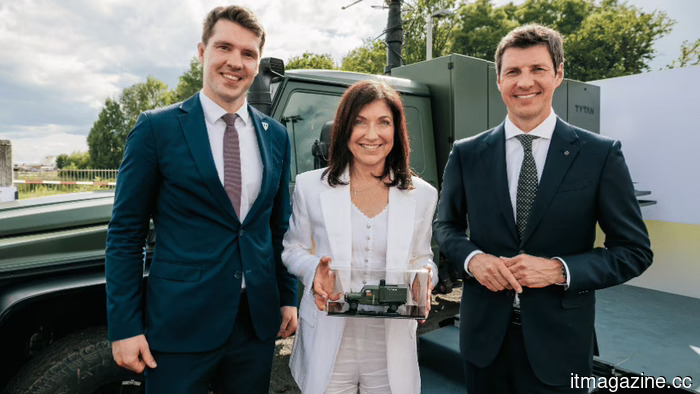 Mercedes-Benz se adentra en la defensa con vehículos anti-drones.
Mercedes-Benz ha firmado un Memorando de Entendimiento con la startup de Múnich Tytan para construir vehículos móviles anti-drones, el último fabricante de automóviles europeo que persigue el auge de rearme en Europa.
Mercedes-Benz se adentra en la defensa con vehículos anti-drones.
Mercedes-Benz ha firmado un Memorando de Entendimiento con la startup de Múnich Tytan para construir vehículos móviles anti-drones, el último fabricante de automóviles europeo que persigue el auge de rearme en Europa.
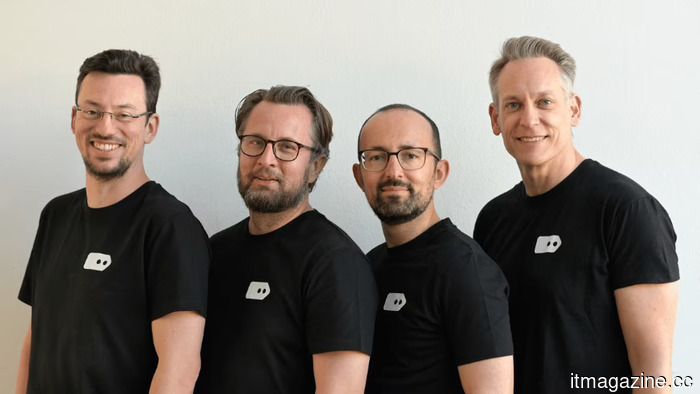 ShopAgentic recauda 1,9 millones de euros para el comercio agentic
La startup alemana ShopAgentic recaudó 1,9 millones de euros, co-liderada por May Ventures y Greenfield Capital, para construir infraestructura comercial para agentes de compras de IA.
ShopAgentic recauda 1,9 millones de euros para el comercio agentic
La startup alemana ShopAgentic recaudó 1,9 millones de euros, co-liderada por May Ventures y Greenfield Capital, para construir infraestructura comercial para agentes de compras de IA.
 La función Sleep Studio de Amazon convierte los dispositivos Echo en un calmante para dormir para los niños.
Amazon ha lanzado Sleep Studio, una nueva función para los dispositivos Echo Kids que automatiza las rutinas de dormir con contenido de sueño curado.
La función Sleep Studio de Amazon convierte los dispositivos Echo en un calmante para dormir para los niños.
Amazon ha lanzado Sleep Studio, una nueva función para los dispositivos Echo Kids que automatiza las rutinas de dormir con contenido de sueño curado.
 Los planes diarios de AT&T ofrecen servicios celulares en tu iPad, incluso si no eres cliente.
AT&T ha lanzado el Pase Diario Ilimitado, un plan de datos ilimitados de $3 diarios para iPads elegibles, incluidos los dispositivos de clientes que no son de AT&T.
Los planes diarios de AT&T ofrecen servicios celulares en tu iPad, incluso si no eres cliente.
AT&T ha lanzado el Pase Diario Ilimitado, un plan de datos ilimitados de $3 diarios para iPads elegibles, incluidos los dispositivos de clientes que no son de AT&T.
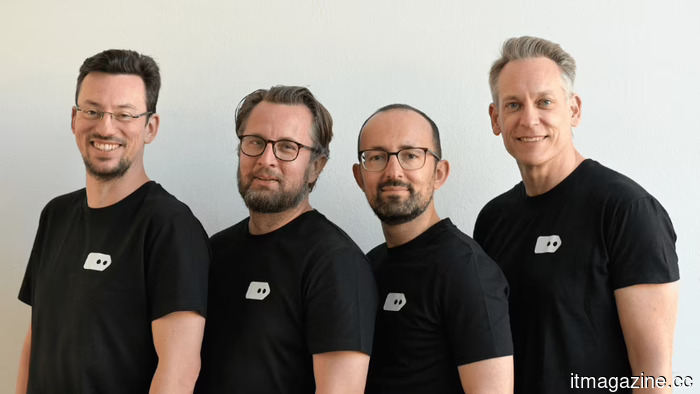 ShopAgentic recauda 1,9 millones de euros para el comercio agentic
La startup alemana ShopAgentic recaudó 1.9 millones de euros, co-liderada por May Ventures y Greenfield Capital, para construir infraestructura comercial para agentes de compras de IA.
ShopAgentic recauda 1,9 millones de euros para el comercio agentic
La startup alemana ShopAgentic recaudó 1.9 millones de euros, co-liderada por May Ventures y Greenfield Capital, para construir infraestructura comercial para agentes de compras de IA.
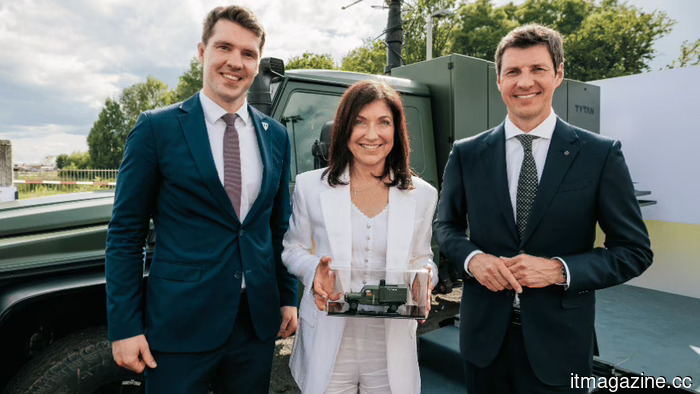 Mercedes-Benz se adentra en la defensa con vehículos anti-drones.
Mercedes-Benz ha firmado un Memorando de Entendimiento con la startup de Múnich Tytan para construir vehículos móviles anti-drones, el último fabricante de automóviles europeo que persigue el auge de rearme en Europa.
Mercedes-Benz se adentra en la defensa con vehículos anti-drones.
Mercedes-Benz ha firmado un Memorando de Entendimiento con la startup de Múnich Tytan para construir vehículos móviles anti-drones, el último fabricante de automóviles europeo que persigue el auge de rearme en Europa.
Research shows that TikTok's "Not Interested" button becomes ineffective in just a few minutes.
A recent study conducted by Northeastern University discovered that TikTok's "Not Interested" button becomes ineffective rapidly, as flagged content reappears on users' feeds within minutes after they cease using it.