

Burner phones might become unintended victims in the FCC's campaign against robocalls.
Proposed ID verification measures would focus on scammers while requiring prepaid users to provide more personal information.
The FCC is considering implementing phone ID regulations that could make it more difficult to obtain burner phones in the United States. This initiative, which aims to combat robocalls and fraudulent text messages, would mandate telecommunications providers to gather identifying information before offering service to individuals who are initiating or renewing a plan.
For users of prepaid services, a number that was previously not linked to a comprehensive identity record may now become associated with data held by the carrier prior to the start of service. This diminishes the appeal of burner phones without necessitating any suspicious activity first.
The agency contends that stricter identification checks would assist in identifying individuals who misuse calls and texts. However, critics claim the proposal is overly extensive, as it would also impact domestic abuse survivors, journalists, whistleblowers, low-income individuals, and customers who prefer to keep their phone lines separate from a broader data footprint.
What carriers would collect
The proposed regulation would require voice service providers to verify additional information before activating or renewing service. The essential information would include a customer’s name, physical address, government-issued ID number, and another phone number.
Prepaid services are central to the concern. Burner phones have typically allowed users to maintain more distance from regular accounts and billing records, while the FCC is considering whether different regulations should apply to prepaid versus postpaid plans.
When it comes to bulk phone plan acquisitions, the FCC is also contemplating the collection of extra details, including intended usage and IP address, to gain better insight into high-volume calling and texting.
Who would lose anonymity first
Robocalls represent a significant issue for consumers, and the FCC aims to curb abusive traffic before it reaches the network. The proposed solution involves gathering identification before service is granted, rather than responding to suspicious activity after the fact.
Privacy and civil rights organizations argue that scammers can still employ fake identities or other means to bypass these measures, while legitimate users would face an expanded identity trail. There has been early public resistance in the FCC’s comment system, with concerns that the enhanced databases held by carriers could be appealing targets for hackers.
What changes before June 25
The FCC has yet to finalize the phone ID regulations. It is seeking input on specific details that could influence the final outcome, such as what constitutes a renewing customer and whether a physical address should exclude P.O. boxes or shared office locations.
A more focused version of the rule could center on high-risk activities, whereas a broader version would make standard prepaid service resemble the process of opening a bank account.
Individuals who depend on prepaid services for privacy should pay close attention to the comment deadline and upcoming revisions. If the FCC retains the ID requirements, though burner phones would still be available, their level of protection would be diminished.



Другие статьи
 OpenAI reports that accounts associated with China utilized ChatGPT to support opposition against US data centers.
OpenAI discovered accounts connected to China producing AI-generated content concerning electricity expenses at data centers. The campaign achieved minimal reach. Nonetheless, the discussion remains genuine.
OpenAI reports that accounts associated with China utilized ChatGPT to support opposition against US data centers.
OpenAI discovered accounts connected to China producing AI-generated content concerning electricity expenses at data centers. The campaign achieved minimal reach. Nonetheless, the discussion remains genuine.
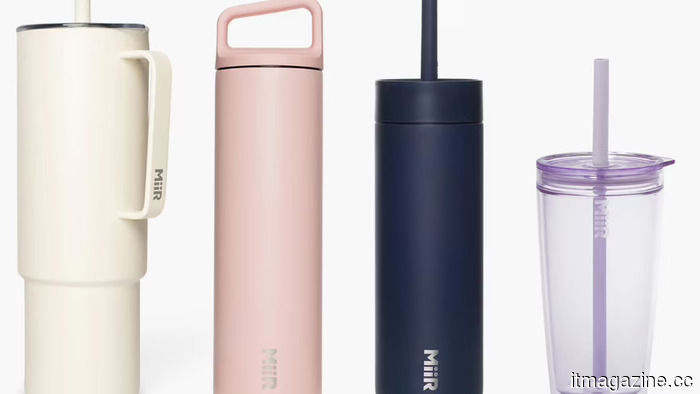 Seattle-based drinkware manufacturer MiiR has filed a lawsuit against Tesla, alleging that the company has copied the design of its tumbler lid.
MiiR claims that Tesla's On The Road Tumbler infringes on its patented lid design and the positioning of its vertical logo. The company is pursuing a permanent injunction along with Tesla's profits.
Seattle-based drinkware manufacturer MiiR has filed a lawsuit against Tesla, alleging that the company has copied the design of its tumbler lid.
MiiR claims that Tesla's On The Road Tumbler infringes on its patented lid design and the positioning of its vertical logo. The company is pursuing a permanent injunction along with Tesla's profits.
 BNP states that the $3.6 trillion wave of US IPOs will enhance technology transactions in Europe.
According to BNP Paribas, the $3.6 trillion IPO pipeline from SpaceX, OpenAI, and Anthropic will stimulate interest in European tech listings. Investors in the US are already taking notice.
BNP states that the $3.6 trillion wave of US IPOs will enhance technology transactions in Europe.
According to BNP Paribas, the $3.6 trillion IPO pipeline from SpaceX, OpenAI, and Anthropic will stimulate interest in European tech listings. Investors in the US are already taking notice.
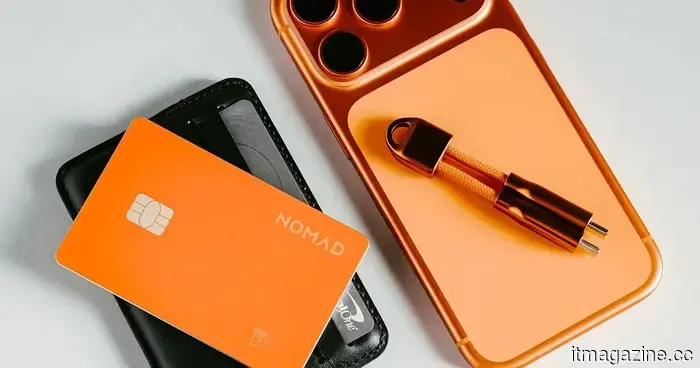 Nomad's orange wallet tracker gives the AirTag a bulky and unimpressive appearance.
Nomad's Stellar Orange accessories incorporate Apple Find My tracking and Qi2 charging features into a small, limited-edition release that primarily focuses on aesthetics.
Nomad's orange wallet tracker gives the AirTag a bulky and unimpressive appearance.
Nomad's Stellar Orange accessories incorporate Apple Find My tracking and Qi2 charging features into a small, limited-edition release that primarily focuses on aesthetics.
 BNP states that the $3.6 trillion surge in US IPOs will enhance technology transactions in Europe.
BNP Paribas reports that the $3.6 trillion IPO pipeline from SpaceX, OpenAI, and Anthropic will stimulate interest in European tech listings. Investors in the US are already showing interest.
BNP states that the $3.6 trillion surge in US IPOs will enhance technology transactions in Europe.
BNP Paribas reports that the $3.6 trillion IPO pipeline from SpaceX, OpenAI, and Anthropic will stimulate interest in European tech listings. Investors in the US are already showing interest.
 This small sensor may enhance the ability of self-driving cars and robots to see in low light conditions.
Researchers at Penn State have created a light-adaptive sensor, inspired by the human eye, which could assist self-driving vehicles and robots in preserving visual accuracy in varying lighting situations.
This small sensor may enhance the ability of self-driving cars and robots to see in low light conditions.
Researchers at Penn State have created a light-adaptive sensor, inspired by the human eye, which could assist self-driving vehicles and robots in preserving visual accuracy in varying lighting situations.
Burner phones might become unintended victims in the FCC's campaign against robocalls.
The FCC's efforts to combat robocalls might require carriers to gather additional identification data prior to activating phone services, which raises privacy issues for prepaid customers, abuse survivors, journalists, and individuals who depend on burner phones.