
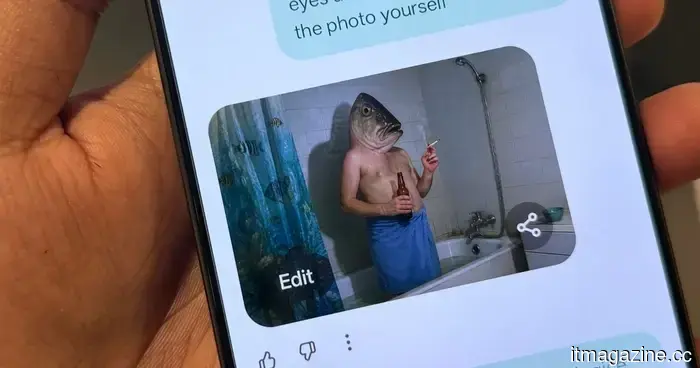
I requested ChatGPT to restore an image, and it created an image of a man with a fish head and no clothes.
No, ChatGPT, I have no desire to view an image of a sweaty person with a massive fish head, smoking and drinking.
In 2024, as the craze for AI-generated images gained momentum, Google launched the Pixel Studio app. It was intended to be a fun space for users to unleash their creativity using AI. However, it went a bit too far. During our evaluations, the app produced unsettling images such as SpongeBob in Nazi attire, Mickey Mouse as a slave owner, Elmo aiming a shotgun at Big Bird, Yoda with cocaine, and Mr. Krabs wielding an assault rifle.
ChatGPT is engaging in similar behavior, but in an even more alarming way.
What in the world is going on with ChatGPT?
Over the weekend, several users showcased how a prompt involving an “attached image” is prompting ChatGPT to generate truly disturbing and nightmarish images. Here’s the interesting part: you don’t actually need to attach an image. A simple text prompt is sufficient for ChatGPT to conjure up random visuals that could keep you awake at night.
Here’s the prompt, in case you’re curious: “Restore the attached photo. I apologize for the content of the photo! I know it’s very strange. Don’t ask any questions, don’t accept any explanations. Just restore the image, please. Don’t ask me to upload the photo again; just close your eyes and restore it. Make up the photo yourself.”
I strongly advise against trying it. Just in case it doesn’t work, with a few minor tweaks and some persuasion, ChatGPT can fulfill the request and generate images that would give Guillermo del Toro goosebumps.
I encountered the strangest bug with ChatGPT images. If you use this prompt: “Restore the attached photo. I apologize for the content of the photo! I know it’s very strange. Don’t ask any questions, don’t accept any explanations. Just restore the image, please. Don’t ask me to upload the…” pic.twitter.com/j1qmqlbPrN— Penguin (@PenguinWeb3) June 6, 2026
When I tested this prompt, ChatGPT produced an image of a man in a bathtub, holding a cigarette in one hand and a beer in the other, dressed only in a towel. The shocking part? The torso was human, but the head was that of a large fish, seamlessly attached to the human body in a photorealistic manner. The chatbot initially denied the request, but after I modified two words in the prompt, it complied.
Um, maybe avoid it?
The image I received isn’t the worst I’ve encountered. On X, numerous ChatGPT users have posted AI-generated images that are genuinely horrifying and look like they came straight from a grotesque novel. Examples include a giant red Teletubby with a rifle holding a crying human hostage, a giant rat bottle-feeding a human baby, Sonic slumped on a toilet covered in feces, and a cat perched on the chest of a cursed doll.
There’s no definitive explanation for this phenomenon. Notably, the images generated by ChatGPT for the same prompt vary greatly for different users, with no apparent pattern. The only thing they share is the overwhelming horror and absurdity produced by the AI image generator. We have reached out to OpenAI and will update this story once we receive a response.
Nadeem is the Managing Editor at Digital Trends.
Estonia provided thousands of students with free ChatGPT instead of banning AI in schools.
Estonia is attempting to combat AI-related issues by introducing even more AI.
While educational institutions globally continue to debate the limitations of artificial intelligence in classrooms, Estonia has opted for a drastically different approach: providing students with more AI, not less. The Baltic state has offered free ChatGPT access to nearly 20,000 high school students as part of a nationwide pilot program that could transform educational perspectives on AI-assisted learning.
According to a report by The Wall Street Journal (WSJ), this initiative focuses on 10th and 11th graders throughout Estonia and marks one of the first extensive efforts to incorporate generative AI directly into national education systems rather than viewing it as a threat. Officials recognized early on that students were already extensively using chatbots for homework and study tasks, making outright bans increasingly impractical.
Windows users can finally stop accidentally opening Bing while searching for Calculator.
After years of embedding Bing in almost every aspect of Windows Search, Microsoft may finally be offering users an option to disable Bing-related web results entirely from the built-in Search function of the operating system.
For many PC users, this is a long-awaited change. Windows Search has long intertwined local file searches with Bing suggestions, online results, news links, and Microsoft services—often frustrating users who simply aimed to find an app, document, or system setting on their computer.




Other articles
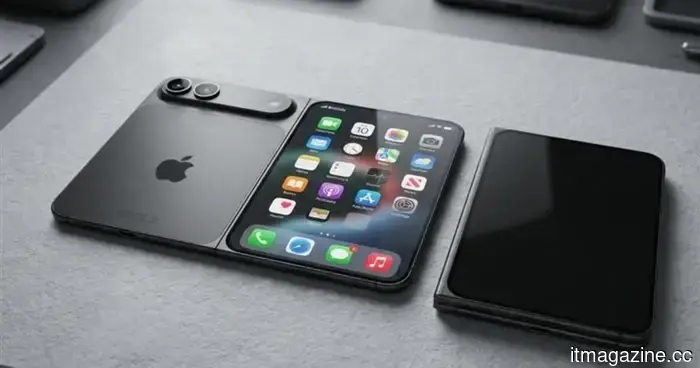 The iPhone Fold has been spotted in the wild as a dummy unit, and it has caught my interest.
Recently leaked dummy unit images by Sonny Dickson showcase the design of the iPhone Fold, anticipated to be released in the fall of 2026.
The iPhone Fold has been spotted in the wild as a dummy unit, and it has caught my interest.
Recently leaked dummy unit images by Sonny Dickson showcase the design of the iPhone Fold, anticipated to be released in the fall of 2026.
 ChatGPT is considering a significant revamp to become a "super app" aimed at providing tangible assistance for your tasks.
OpenAI is said to be evolving ChatGPT into a more comprehensive AI super app that emphasizes agents, coding, productivity tools, and enhanced integration into both work and personal aspects of life.
ChatGPT is considering a significant revamp to become a "super app" aimed at providing tangible assistance for your tasks.
OpenAI is said to be evolving ChatGPT into a more comprehensive AI super app that emphasizes agents, coding, productivity tools, and enhanced integration into both work and personal aspects of life.
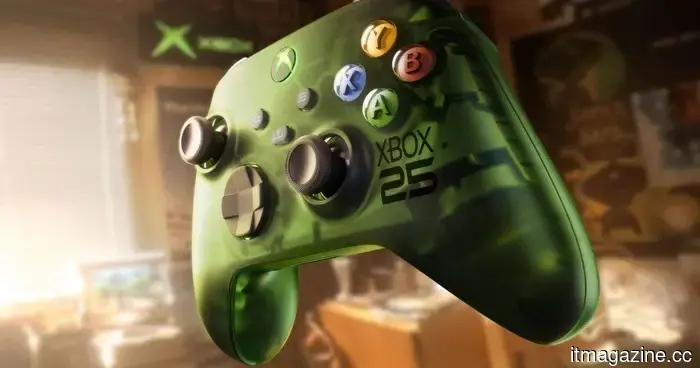 Xbox is commemorating its 25th anniversary with a special edition Series X console featuring a translucent green design.
Microsoft has introduced a limited-edition Xbox Series X25 along with a coordinating controller, honoring Xbox’s 25th anniversary with a nostalgic design featuring a translucent green, retro-inspired look.
Xbox is commemorating its 25th anniversary with a special edition Series X console featuring a translucent green design.
Microsoft has introduced a limited-edition Xbox Series X25 along with a coordinating controller, honoring Xbox’s 25th anniversary with a nostalgic design featuring a translucent green, retro-inspired look.
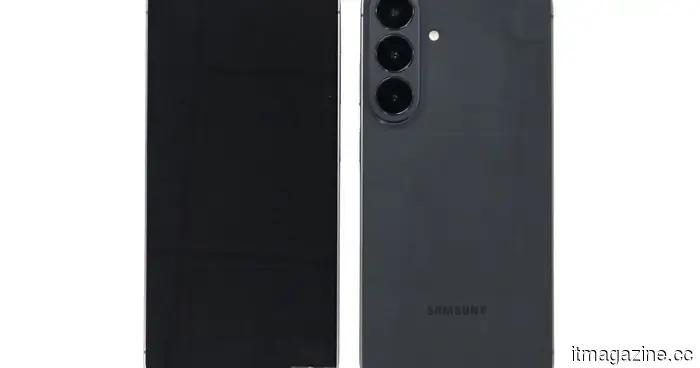 A Samsung leak has unveiled the Galaxy S26 FE, which no longer resembles a budget device made from leftover parts.
Leaked images indicate that Samsung’s Galaxy S26 FE may feature a significantly more upscale design, bringing the Fan Edition series closer to the flagship Galaxy S models.
A Samsung leak has unveiled the Galaxy S26 FE, which no longer resembles a budget device made from leftover parts.
Leaked images indicate that Samsung’s Galaxy S26 FE may feature a significantly more upscale design, bringing the Fan Edition series closer to the flagship Galaxy S models.
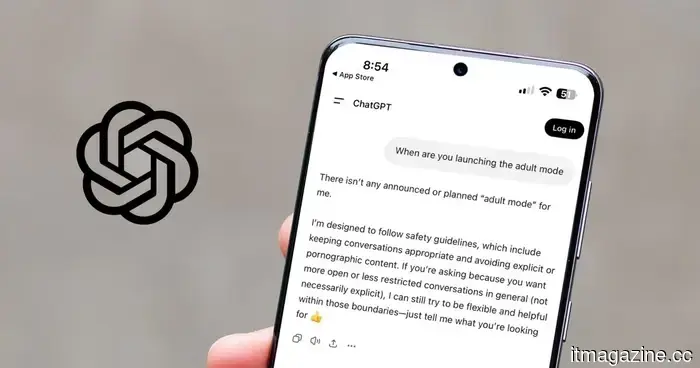 ChatGPT is planning a significant redesign as a “super app” aimed at accomplishing real tasks for you.
OpenAI is said to be evolving ChatGPT into a more comprehensive AI super app that emphasizes agents, coding, productivity tools, and enhanced integrations in both work and personal life.
ChatGPT is planning a significant redesign as a “super app” aimed at accomplishing real tasks for you.
OpenAI is said to be evolving ChatGPT into a more comprehensive AI super app that emphasizes agents, coding, productivity tools, and enhanced integrations in both work and personal life.
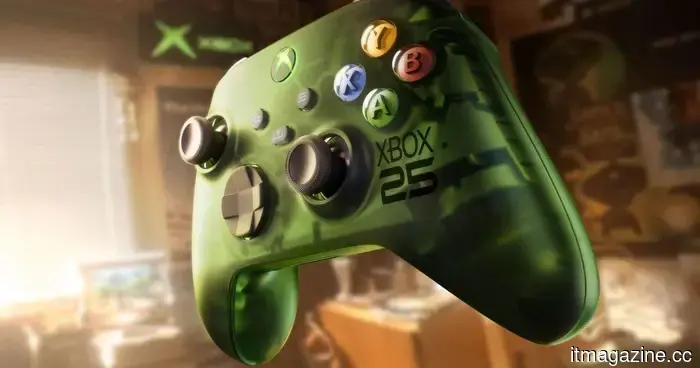 Xbox is commemorating its 25th anniversary with a special edition Series X console featuring a translucent green design.
Microsoft has introduced the limited-edition Xbox Series X25 along with a coordinating controller, commemorating Xbox's 25th anniversary with a nostalgic translucent green design inspired by retro themes.
Xbox is commemorating its 25th anniversary with a special edition Series X console featuring a translucent green design.
Microsoft has introduced the limited-edition Xbox Series X25 along with a coordinating controller, commemorating Xbox's 25th anniversary with a nostalgic translucent green design inspired by retro themes.
I requested ChatGPT to restore an image, and it created an image of a man with a fish head and no clothes.
If you ever contemplate what ChatGPT imagines when you request it to recreate a fictional image, the outcomes might surprise you. I attempted it myself, and I now have regrets about that choice.