
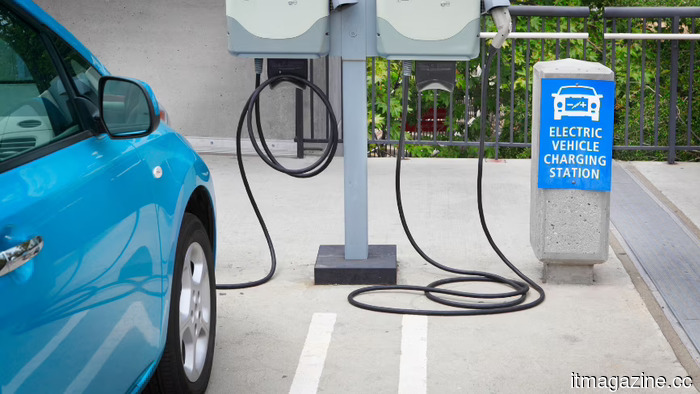
China is seeking lighter electric vehicles, as added batteries and features have made them too bulky for parking spots.
Chinese electric vehicles (EVs) are now about a third heavier than they were in 2012, with some barely fitting into parking spaces. Beijing implemented the world's first mandatory energy consumption standard for EVs on January 1.
In 2024, the average passenger car in China weighs 1,704 kg, which is significantly more than in 2012, as reported by state broadcaster CCTV on Sunday. Many popular SUVs and MPVs are now close to or exceed 2 meters in width, making it challenging to park in spaces that were designed for smaller vehicles a decade ago.
CCTV highlighted one vehicle that measured almost 2.3 meters wide, while the standard parking space is only 2.4 meters. This leaves just 10 cm of space, hardly enough to open a car door.
The issue with weight primarily stems from batteries. Some manufacturers promote vehicles boasting ranges of up to 1,000 km on a single charge, which can necessitate battery packs weighing up to 800 kg, according to experts cited in the report. Though heavy batteries are not exclusive to China, the problem is particularly pronounced due to the country's dominance in EV production.
Feature overload also contributes to the added weight. The competitive nature of China’s EV market has led manufacturers to create cars that serve as mobile living spaces. Some models allow users to work, watch videos, drink coffee, and relax inside, with a few even equipped with in-car toilets, as reported by CCTV. Every additional feature increases the vehicle's weight.
In response, Beijing has taken action. Starting January 1, 2026, China became the first nation worldwide to implement a mandatory energy consumption standard for electric vehicles. This regulation limits two-tonne EVs to 15.1 kWh per 100 km under the Chinese CLTC cycle, tightening previous recommendations by about 11%. New EV models that do not meet this standard will not be allowed for production, sale, or registration.
This regulation encourages manufacturers to focus on efficiency rather than solely increasing battery size. Enhancements in aerodynamics, the use of lighter materials, and drivetrain optimization are becoming more crucial than merely improving range figures. With battery capacity remaining the same, compliance with the new standard is anticipated to boost the average EV’s range by approximately 7%.
The timing is significant. According to the IEA, China manufactured 16 million electric vehicles in 2025, and exports are rapidly increasing into new markets. Creating lighter, more efficient vehicles will alleviate pressure on domestic infrastructure and assist Chinese automakers in meeting emissions and efficiency standards in export markets like the US and Europe, where regulations are becoming stricter.
Другие статьи
Китай хочет более компактные электромобили, так как батареи и функции сделали их слишком тяжелыми для парковочных мест.
Китайские электромобили стали на треть тяжелее с 2012 года. Некоторые из них слишком широкие для парковочных мест. Новый стандарт энергетики Пекина нацелен на то, чтобы заставить производителей уменьшить размеры.
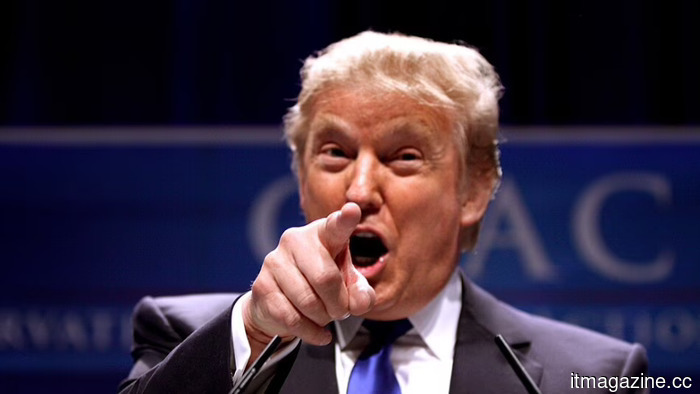 Трамп подписывает меморандум, передающий «самый продвинутый ИИ» в руки военных и запрещающий поставщикам отключать его.
Новая меморандума безопасности Трампа ускоряет принятие военного ИИ, приказывает обновить директиву по автономному оружию и запрещает компаниям отключать развернутые модели.
Трамп подписывает меморандум, передающий «самый продвинутый ИИ» в руки военных и запрещающий поставщикам отключать его.
Новая меморандума безопасности Трампа ускоряет принятие военного ИИ, приказывает обновить директиву по автономному оружию и запрещает компаниям отключать развернутые модели.
 Трамп подписывает меморандум, передающий «самый продвинутый ИИ» в руки военных и запрещающий поставщикам отключать его.
Новая служебная записка Трампа по безопасности ускоряет внедрение военного ИИ, приказывает обновить директиву по автономному оружию и запрещает компаниям отключать развернутые модели.
Трамп подписывает меморандум, передающий «самый продвинутый ИИ» в руки военных и запрещающий поставщикам отключать его.
Новая служебная записка Трампа по безопасности ускоряет внедрение военного ИИ, приказывает обновить директиву по автономному оружию и запрещает компаниям отключать развернутые модели.
 Компания Кайла Вогта подает в суд за превращение Airbnb в лабораторию роботов
Компания Bot якобы арендовала дом в Сан-Франциско под ложными предлогами и использовала его в качестве лаборатории НИОКР для домашних роботов. Хозяин подает в суд на 12 000 долларов.
Компания Кайла Вогта подает в суд за превращение Airbnb в лабораторию роботов
Компания Bot якобы арендовала дом в Сан-Франциско под ложными предлогами и использовала его в качестве лаборатории НИОКР для домашних роботов. Хозяин подает в суд на 12 000 долларов.
 Великобритания планирует закупать чипы ИИ у британских компаний, чтобы остановить их уход в США.
Секретарь по технологиям Лиз Кендолл объявит о "стратегических закупках" полупроводникового оборудования у британских компаний на Лондонской неделе технологий, стремясь создать индустрию чипов стоимостью 37 миллиардов фунтов стерлингов.
Великобритания планирует закупать чипы ИИ у британских компаний, чтобы остановить их уход в США.
Секретарь по технологиям Лиз Кендолл объявит о "стратегических закупках" полупроводникового оборудования у британских компаний на Лондонской неделе технологий, стремясь создать индустрию чипов стоимостью 37 миллиардов фунтов стерлингов.
 Великобритания планирует купить чипы ИИ у британских компаний, чтобы остановить их уход в США.
Секретарь по технологиям Лиз Кендалл объявит о "стратегических закупках" полупроводникового оборудования у британских компаний на Лондонской неделе технологий, стремясь создать индустрию чипов стоимостью 37 миллиардов фунтов стерлингов.
Великобритания планирует купить чипы ИИ у британских компаний, чтобы остановить их уход в США.
Секретарь по технологиям Лиз Кендалл объявит о "стратегических закупках" полупроводникового оборудования у британских компаний на Лондонской неделе технологий, стремясь создать индустрию чипов стоимостью 37 миллиардов фунтов стерлингов.
China is seeking lighter electric vehicles, as added batteries and features have made them too bulky for parking spots.
Since 2012, Chinese electric vehicles have become a third heavier. Some models are too wide for standard parking spots. Beijing's new energy regulations are designed to encourage manufacturers to reduce their size.