
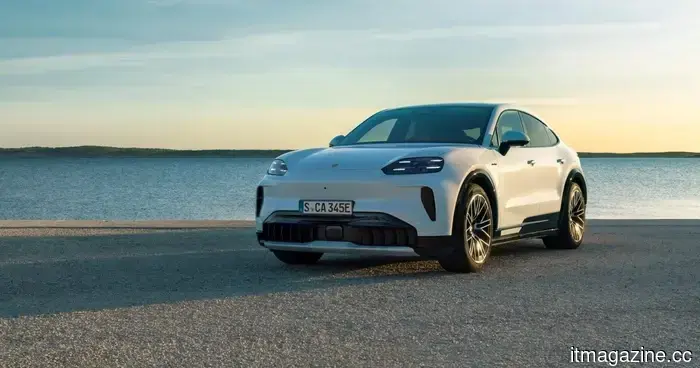
Globally, electric cars are becoming more affordable, with the exception of buyers in the US.
In 2025, one in four cars sold worldwide was electric. However, in the United States, that number was closer to one in ten, and the trend is not improving.
Falling electric vehicle (EV) prices globally have driven sales to new heights. Conversely, American consumers are heading into 2026 facing reduced incentives, increased prices, and a dwindling selection of affordable options.
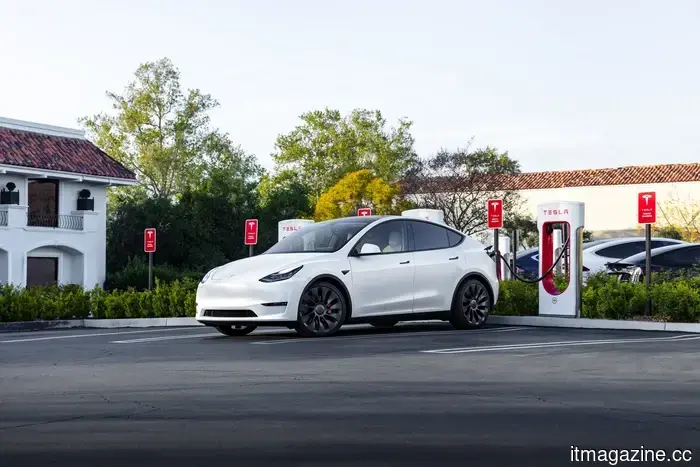
Tesla / Tesla
What is the state of the EV market in the US?
The IEA’s Global EV Outlook 2026, published on May 20, starkly illustrates the global situation.
In 2025, electric car sales surpassed 20 million units, marking a 20% increase from 2024. On average, the price of EV batteries fell by 8% due to decreased raw material costs and a broader acceptance of lithium iron phosphate technology.
In contrast to the global pattern, US sales experienced a slight decline year-on-year. The situation appeared even more dire when considering the last quarter of 2025, which saw a 45% decrease in new EV sales compared to the same period in 2024.
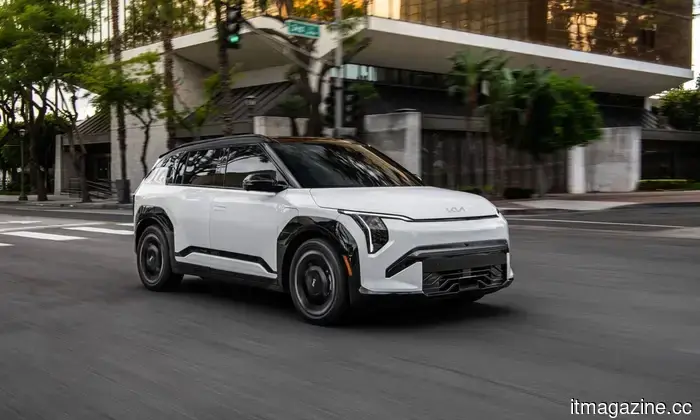
Kia
Why is EV affordability lagging in the US?
The primary factor contributing to the drop in sales is recent policy changes. The One Big Beautiful Bill Act eliminated tax credits for new and used EV purchases after September 2025 and lifted penalties for automakers that do not meet fuel efficiency standards, effectively lessening the financial incentive for the industry to prioritize EV production.
Additionally, there are 100% tariffs on Chinese EVs, including affordable models that dominate sales in regions like Latin America, Southeast Asia, and Europe, making them nearly inaccessible to American consumers.
Moreover, the American preference for larger vehicles is putting EV prices out of reach for many. The report indicates that over 85% of EV models available in the US are SUVs or other large vehicles that come with larger, costlier batteries, driving up the average price of EVs.
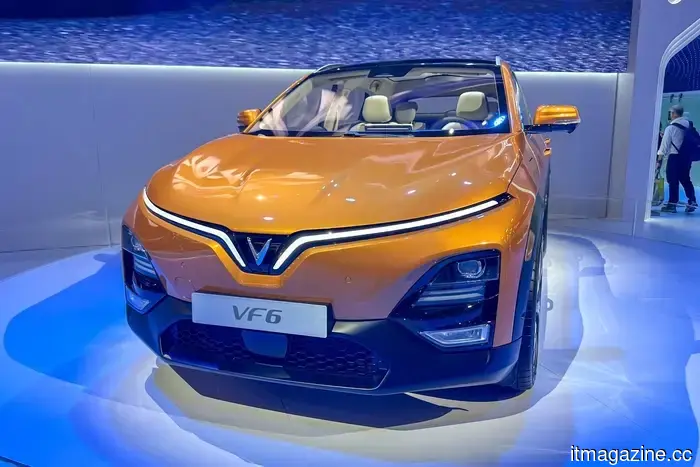
The US market appears to be focusing on premium and large EVs, while smaller EVs are growing rapidly in other markets, such as Europe. Vietnam, where EV penetration exceeded 40% in 2025 thanks to affordable models from VinFast, exemplifies what accessible pricing can achieve.
Christian de Looper / Digital Trends
The implications for the Big Three automakers’ EV strategies are also clear.
Confronted with slower consumer demand than anticipated, shifting federal regulations, and profitability challenges, the Big Three have already scaled back their full-electric vehicle initiatives. Instead, they are shifting towards plug-in hybrids, traditional gas-electric hybrids, and internal combustion engine (ICE) trucks.
For example, Ford canceled its three-row electric SUV, absorbing a loss of $400 million. The company has also halted production of its all-electric F-150 Lightning, reimagining it as a range-extended electric vehicle (EREV) with a range of over 700 miles.
Automaker | Previous Ambition | Current Strategy
--- | --- | ---
Ford | Aggressive EV scaling (Three-Row EV, T3 Truck) | Scrapped 3-row EV; hybrid options for all gas models
General Motors | All-electric lineup focus | Reduced EV production; reintroducing plug-in hybrids (PHEVs)
Stellantis | Rapid transition to pure BEV platforms | Focus on gas-extended EVs (Ramcharger) and 4xe plug-in hybrids
General Motors has also lowered its short-term EV production goals, giving up the target of achieving a one-million-unit manufacturing capacity. The company is now prioritizing gas-powered trucks and SUVs in its production plans.
Stellantis is also focusing on multi-energy vehicles. While the IEA report highlights how consumers are reacting to the unfavorable conditions in the EV market, the shift of the Big Three away from pure EVs mirrors the changing demand.
Other articles
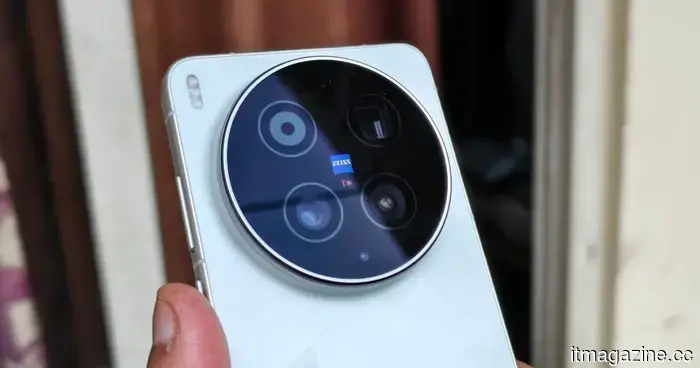 The Vivo X300 Ultra is putting other camera phones to shame, and here's the reason.
The Vivo X300 Ultra integrates external lenses, accessories aimed at creators, and top-tier camera hardware to enhance smartphone photography towards a more professional camera experience.
The Vivo X300 Ultra is putting other camera phones to shame, and here's the reason.
The Vivo X300 Ultra integrates external lenses, accessories aimed at creators, and top-tier camera hardware to enhance smartphone photography towards a more professional camera experience.
 Amazon has revealed the date for its Prime Day sales, which will take place slightly earlier this year.
Prime Day is returning and it’s happening earlier than ever before. This year, it will take place from June 23 to 26, compared to July 8 last year.
Amazon has revealed the date for its Prime Day sales, which will take place slightly earlier this year.
Prime Day is returning and it’s happening earlier than ever before. This year, it will take place from June 23 to 26, compared to July 8 last year.
 Focused Energy secures $240 million to commercialize NIF laser fusion technology.
The German fusion startup Focused Energy secured $240 million in a Series A funding round, led by the utility company RWE, to develop a laser-driven reactor inspired by the recent net energy gain achievement by the NIF.
Focused Energy secures $240 million to commercialize NIF laser fusion technology.
The German fusion startup Focused Energy secured $240 million in a Series A funding round, led by the utility company RWE, to develop a laser-driven reactor inspired by the recent net energy gain achievement by the NIF.
 Microsoft announces Project Solara: an operating system designed for agent-first devices.
Microsoft's Project Solara is an innovative platform designed for devices that utilize AI agents rather than traditional apps. Currently, two concept designs—a badge and a desk device—are being tested in partnership with Best Buy, CVS, Levi's, and Target.
Microsoft announces Project Solara: an operating system designed for agent-first devices.
Microsoft's Project Solara is an innovative platform designed for devices that utilize AI agents rather than traditional apps. Currently, two concept designs—a badge and a desk device—are being tested in partnership with Best Buy, CVS, Levi's, and Target.
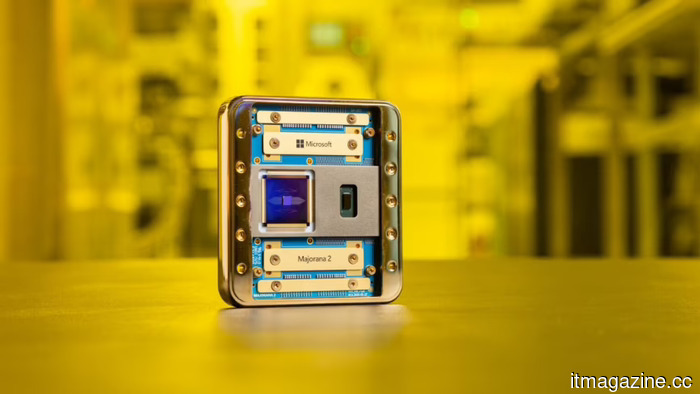 Microsoft's Majorana 2 quantum chip boasts reliability that is 1,000 times greater, with a goal set for 2029.
Microsoft's Majorana 2 qubits can last 20 seconds, compared to microseconds for competitors, and are developed using agentic AI. The company is now aiming to create a scalable quantum computer by 2029.
Perplexity divides AI inference between personal computers and the cloud to reduce expenses.
Perplexity AI has developed a real-time routing system that distributes AI tasks between personal computers and cloud servers, which was disclosed at Computex in conjunction with Intel, as revenue reaches $500 million.
Microsoft's Majorana 2 quantum chip boasts reliability that is 1,000 times greater, with a goal set for 2029.
Microsoft's Majorana 2 qubits can last 20 seconds, compared to microseconds for competitors, and are developed using agentic AI. The company is now aiming to create a scalable quantum computer by 2029.
Perplexity divides AI inference between personal computers and the cloud to reduce expenses.
Perplexity AI has developed a real-time routing system that distributes AI tasks between personal computers and cloud servers, which was disclosed at Computex in conjunction with Intel, as revenue reaches $500 million.
Globally, electric cars are becoming more affordable, with the exception of buyers in the US.
In other parts of the world, electric vehicles became more affordable, but in the US, tax credits were eliminated, resulting in a 45% decline in EV sales in Q4 compared to the previous year.