
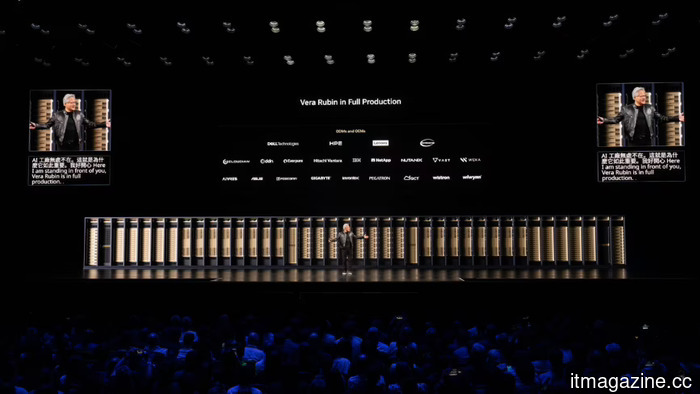
Jensen Huang kicks off Computex with the announcement of Vera Rubin entering production and a shift towards Windows PCs.
During the GTC Taipei keynote, Nvidia's CEO announced that its upcoming platform is now shipping and introduced RTX Spark, an Arm-based Windows system. Jensen Huang, as expected, delivered the keynote address to kick off Computex 2026 in Taipei on Monday. He made two significant announcements: the company’s next-generation Vera Rubin platform is in full production, and Nvidia is entering the Windows PC market, an area where it has previously been absent. The keynote took place at the Taipei Music Center at 11am local time and also served as GTC Taipei, Nvidia’s developer conference.
Huang stated that Vera Rubin, which combines Nvidia's Vera CPU with the Rubin GPU, has reached full production and claimed that Nvidia now offers the lowest token cost globally for AI inference, thanks to its integrated chip and rack design. An important new development is the RTX Spark, an all-in-one Arm-based Windows machine.
Nvidia explained that this system features a 20-core Grace CPU, developed alongside MediaTek, a Blackwell GPU with 6,144 CUDA cores, up to 128GB of memory, and claims to deliver one petaflop of AI performance. Huang introduced three products built around this platform: RTX Spark laptops, RTX Spark desktops, and a DGX Station for Windows aimed at developers outside the Linux environment.
This marks Nvidia's expansion beyond the data center. The company thrives on AI development, and most of its announcements target businesses investing heavily in this sector. However, the Arm-based Windows PC indicates a shift towards a market already contested by Intel, AMD, Apple, and Qualcomm. The potential sales volume for RTX Spark was unclear from the keynote, with comparisons primarily made to Nvidia's existing products.
Huang revisited the theme of AI agents, portraying them as workers capable of reasoning, planning, and executing tasks. He noted that currently, they are merely basic tool users, implying that additional Nvidia silicon would be necessary for them to evolve further. This aligns with the rationale for Vera, the CPU designed specifically for such tasks, with Huang noting that Anthropic, OpenAI, SpaceX, and Oracle are among the initial recipients.
The assertion regarding Vera Rubin carries significant weight, as Huang referred to it as the largest product launch in Taiwan's history, with each system comprising nearly two million components and produced with approximately 150 ecosystem partners on the island.
Achieving full production is a crucial milestone for Nvidia ahead of the next wave of data center orders, and announcing it at Computex serves as a message to suppliers, investors, and customers alike. Computex will continue throughout the week, with subsequent announcements from partners and competitors falling under the framework Huang established on Monday. Throughout the year, he has described Taiwan as the hub of the AI economy and positioned Nvidia as its primary supplier, showing no signs of shifting from this stance following the keynote.
Other articles
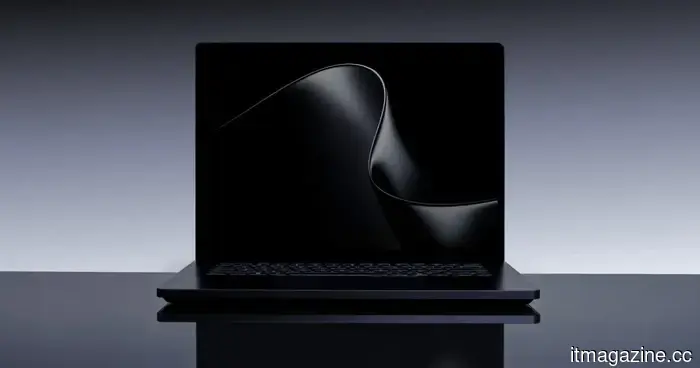 Microsoft unveils the Surface Laptop Ultra featuring Nvidia's RTX Spark chip.
Microsoft has just unveiled the Surface Laptop Ultra, its most powerful laptop to date. It is capable of handling intensive AI tasks entirely on the device without needing cloud support, and it can last all day on a single charge.
Microsoft unveils the Surface Laptop Ultra featuring Nvidia's RTX Spark chip.
Microsoft has just unveiled the Surface Laptop Ultra, its most powerful laptop to date. It is capable of handling intensive AI tasks entirely on the device without needing cloud support, and it can last all day on a single charge.
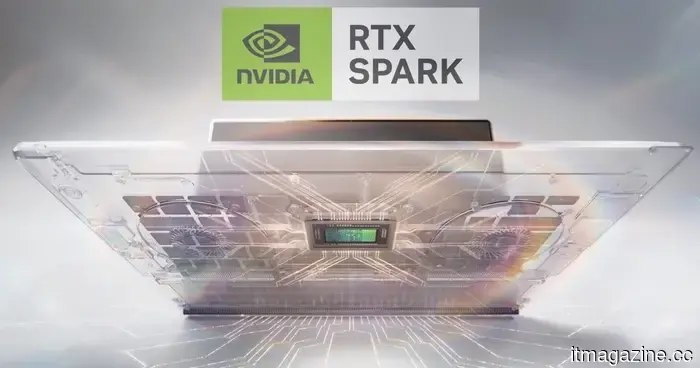 Nvidia has unveiled the RTX Spark processor designed for high-end laptops, marking a significant advancement.
NVIDIA's latest RTX Spark superchip transforms Windows laptops into personal AI powerhouses, capable of managing agents, 3D rendering, video editing, and AAA gaming, all within a sleek design.
Nvidia has unveiled the RTX Spark processor designed for high-end laptops, marking a significant advancement.
NVIDIA's latest RTX Spark superchip transforms Windows laptops into personal AI powerhouses, capable of managing agents, 3D rendering, video editing, and AAA gaming, all within a sleek design.
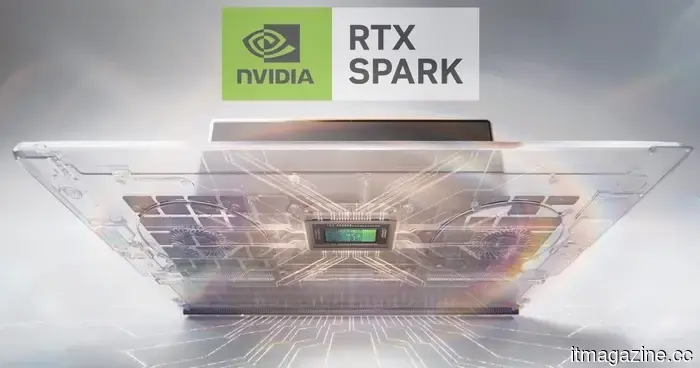 Nvidia introduces the RTX Spark processor for premium laptops, marking a significant advancement.
NVIDIA's latest RTX Spark superchip transforms Windows laptops into powerful personal AI machines, capable of managing agents, 3D rendering, video editing, and AAA gaming, all within a sleek design.
Nvidia introduces the RTX Spark processor for premium laptops, marking a significant advancement.
NVIDIA's latest RTX Spark superchip transforms Windows laptops into powerful personal AI machines, capable of managing agents, 3D rendering, video editing, and AAA gaming, all within a sleek design.
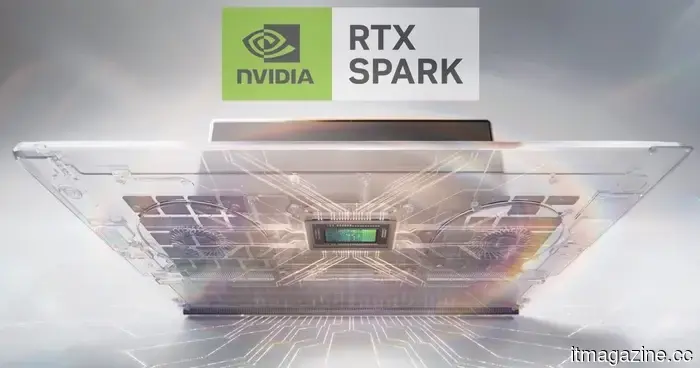 Nvidia reveals the RTX Spark processor for premium laptops, marking a significant advancement.
NVIDIA's latest RTX Spark superchip transforms Windows laptops into advanced AI powerhouses, capable of managing agents, performing 3D rendering, editing videos, and playing AAA games, all within a sleek design.
Nvidia reveals the RTX Spark processor for premium laptops, marking a significant advancement.
NVIDIA's latest RTX Spark superchip transforms Windows laptops into advanced AI powerhouses, capable of managing agents, performing 3D rendering, editing videos, and playing AAA games, all within a sleek design.
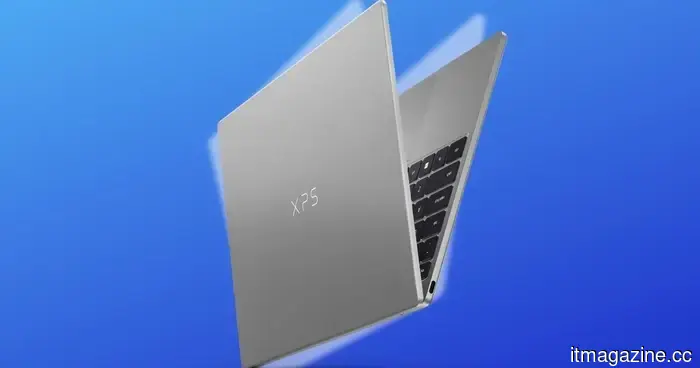 Dell unveils its slimmest and lightest XPS 13, priced at only $699, in an effort to outshine the MacBook Neo.
The Dell XPS 13 features a more vibrant 120Hz display, a backlit keyboard, quicker ports, and a biometric facial recognition option to cover the shortcomings of the MacBook Air.
Dell unveils its slimmest and lightest XPS 13, priced at only $699, in an effort to outshine the MacBook Neo.
The Dell XPS 13 features a more vibrant 120Hz display, a backlit keyboard, quicker ports, and a biometric facial recognition option to cover the shortcomings of the MacBook Air.
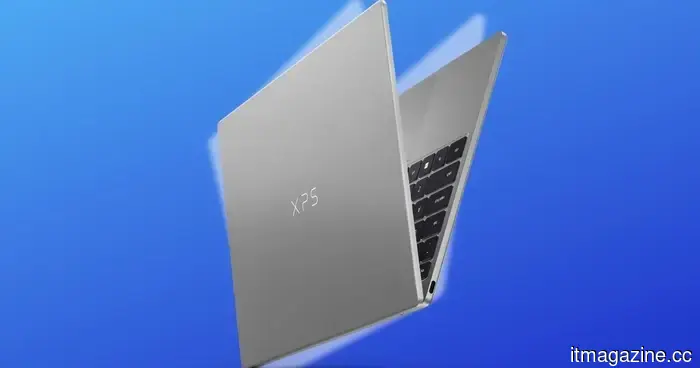 Dell introduces its slimmest and lightest XPS 13 priced at only $699 to compete with the MacBook Neo.
The Dell XPS 13 features a sharper 120Hz display, a backlit keyboard, quicker ports, and a biometric face scanning option to address the shortcomings of the MacBook Air.
Dell introduces its slimmest and lightest XPS 13 priced at only $699 to compete with the MacBook Neo.
The Dell XPS 13 features a sharper 120Hz display, a backlit keyboard, quicker ports, and a biometric face scanning option to address the shortcomings of the MacBook Air.
Jensen Huang kicks off Computex with the announcement of Vera Rubin entering production and a shift towards Windows PCs.
During his Computex keynote, Jensen Huang announced that Vera Rubin is now in full production and introduced RTX Spark, Nvidia's Arm-powered Windows device.