
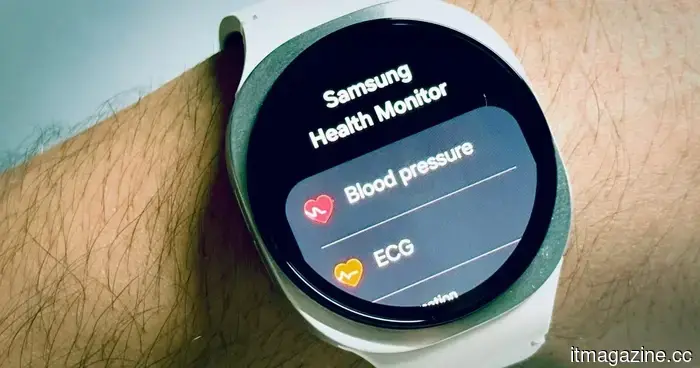
Samsung aims to support your Ozempic weight loss journey with its smartwatch.
Samsung is delving further into the Ozempic era with a study at Mass General aimed at determining if a smartwatch can help individuals comprehend the changes that occur after initiating GLP-1 treatment.
This six-month study will concentrate on adults commencing GLP-1RA therapy, a class of drugs commonly linked to significant weight-loss outcomes. The research will not solely focus on weight loss but will also monitor muscle mass, activity levels, heart rate, and body composition throughout the treatment.
Collaborating with Massachusetts General Hospital, Samsung is incorporating Galaxy Watch8 data into a clinical study centered on a rapidly advancing form of care. The objective is to assess whether data from the watch can provide valuable insights during GLP-1 treatment without classifying the device as a medical tool.
Can a smartwatch capture what scales overlook?
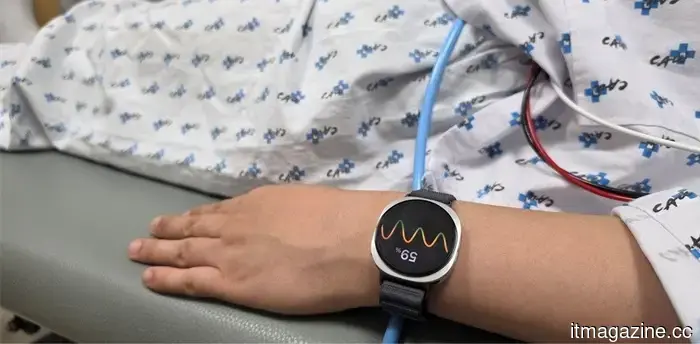
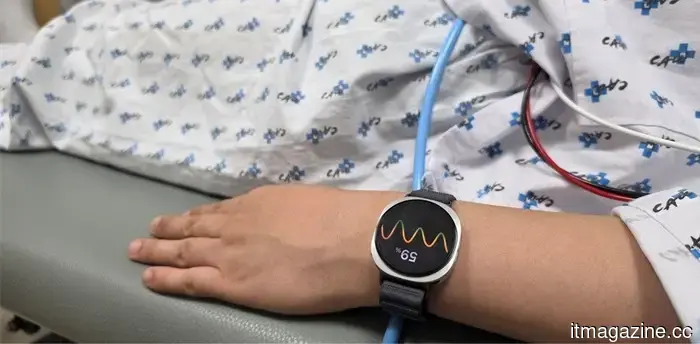
Researchers will evaluate two groups of adults who are starting GLP-1RA therapy. One cohort will utilize the Galaxy Watch8, which will track health metrics like body composition, activity data, heart rate monitoring, and personalized exercise recommendations through Samsung Health. The other group will receive standard care and guidance.
Samsung
To establish a more robust baseline for body composition than what the watch alone can offer, DXA scans will be employed. This ensures that the study remains anchored, given that Samsung’s body composition feature is designed as a wellness tool rather than a diagnostic device.
The watch is not meant to substitute medical care. The researchers aim to determine whether daily data can bridge the gap between medical appointments, where observing changes in activity, weight, and body composition may be challenging.
The need for more signals in GLP-1 care
GLP-1 medications have transformed the weight-loss industry, but a bathroom scale provides a limited perspective. An individual can shed pounds while simultaneously losing muscle, altering activity habits, or requiring additional exercise assistance during treatment.
Samsung is combining passive tracking with customized guidance to evaluate whether smartwatch data can aid individuals in their treatment. A more challenging aspect of the study is testing whether the collected signals are sufficiently valuable for both clinicians and patients to act upon.
Andy Boxall / Digital Trends
Currently, the value of this data is still under investigation. The study design places consumer wearable data alongside a more established method of measuring body composition, resulting in a more rigorous evaluation than activity tracking alone.
Future directions for Samsung
The next significant milestone is the six-month study duration. Should the findings demonstrate that Galaxy Watch8 data effectively tracks meaningful changes during GLP-1RA therapy, Samsung will gain further evidence supporting the connection between watch data and treatment assistance.
There are still unanswered questions. Samsung has not disclosed the number of participants or the timeline for releasing results, meaning the practical implications remain unclear until the findings are published.
Individuals starting GLP-1 treatment should consider Galaxy Watch data as supplementary information and keep medical decisions with a healthcare provider. For Samsung, the rise of Ozempic presents an important opportunity to validate its health ambitions.
Other articles
 Nintendo might emerge as the most intriguing battleground for Call of Duty in 2027.
A chaotic leak of the Modern Warfare 4 cover is drawing interest, but the more significant aspect suggests a rumored debut of Call of Duty on Switch 2 and a potential revival for Nintendo.
Nintendo might emerge as the most intriguing battleground for Call of Duty in 2027.
A chaotic leak of the Modern Warfare 4 cover is drawing interest, but the more significant aspect suggests a rumored debut of Call of Duty on Switch 2 and a potential revival for Nintendo.
 Anthropic’s Milan office secures Generali, Pirelli, and Enel as its identified clients in Italy.
Anthropic has officially inaugurated its Milan office, identifying Generali, Unipol, Pirelli, Enel, and other firms as its Italian corporate clients, and directly associating the opening with Pope Leo's encyclical on AI.
Anthropic’s Milan office secures Generali, Pirelli, and Enel as its identified clients in Italy.
Anthropic has officially inaugurated its Milan office, identifying Generali, Unipol, Pirelli, Enel, and other firms as its Italian corporate clients, and directly associating the opening with Pope Leo's encyclical on AI.
 Qualcomm’s Snapdragon C chip targets low-cost laptops as the MacBook Neo reshapes budget boundaries.
Qualcomm's latest Snapdragon C chip is designed for affordable laptops priced from $300, offering all-day battery life and reliable everyday performance for students, families, and small enterprises.
Qualcomm’s Snapdragon C chip targets low-cost laptops as the MacBook Neo reshapes budget boundaries.
Qualcomm's latest Snapdragon C chip is designed for affordable laptops priced from $300, offering all-day battery life and reliable everyday performance for students, families, and small enterprises.
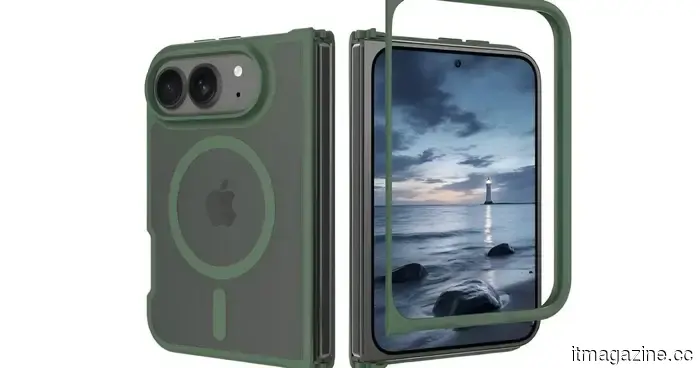 The most credible leak regarding Apple's first foldable iPhone has just emerged.
The much-anticipated foldable iPhone from Apple may now be easier to visualize, as initial case listings suggest a sleek folding design, dual rear cameras, and compatibility with MagSafe-style accessories.
The most credible leak regarding Apple's first foldable iPhone has just emerged.
The much-anticipated foldable iPhone from Apple may now be easier to visualize, as initial case listings suggest a sleek folding design, dual rear cameras, and compatibility with MagSafe-style accessories.
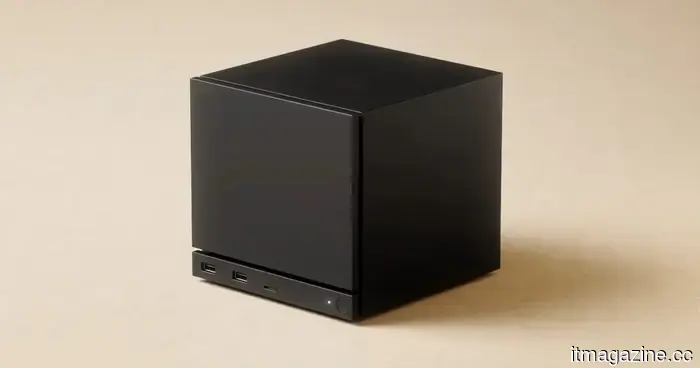 The price of Valve's Steam Machine could deter potential console purchasers.
Valve's forthcoming Steam Machine could struggle in the market if the recent price speculations hold true. A SteamOS console priced over $1,000 would have a difficult comparison with the PS5 and PS5 Pro.
The price of Valve's Steam Machine could deter potential console purchasers.
Valve's forthcoming Steam Machine could struggle in the market if the recent price speculations hold true. A SteamOS console priced over $1,000 would have a difficult comparison with the PS5 and PS5 Pro.
 A recent leak suggests that Samsung's rumored Fold 8 Wide appears to be extraordinarily slim.
A leaked dummy of the Samsung Fold 8 indicates that Samsung's upcoming foldable device may be significantly thinner, although the name, specifications, battery, durability, release date, and final design remain unverified.
A recent leak suggests that Samsung's rumored Fold 8 Wide appears to be extraordinarily slim.
A leaked dummy of the Samsung Fold 8 indicates that Samsung's upcoming foldable device may be significantly thinner, although the name, specifications, battery, durability, release date, and final design remain unverified.
Samsung aims to support your Ozempic weight loss journey with its smartwatch.
Samsung and Mass General are investigating if the Galaxy Watch8 can assist adults beginning GLP-1RA therapy by monitoring activity levels, heart rate, body composition, and muscle changes throughout the treatment process.