
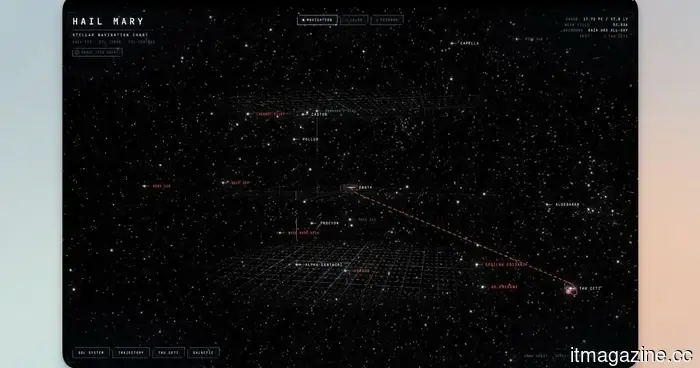
Someone has created a map of the stars based on Project Hail Mary, and it's impressively accurate.
A developer has created an interactive star map inspired by the one depicted in the book Project Hail Mary, utilizing real astronomical data. This book has recently been adapted into a film of the same name and is considered one of the best sci-fi movies of the year.
The project was presented on Hacker News, where Val, the creator of this project, shared that the map was constructed using ESA’s GAIA DR3 dataset, a star survey that traced over 1.8 billion stars in our vicinity within the Milky Way. This dataset encompasses star positions, colors, spectra, proper motion, and more, transforming it into more than just a stylistic fan endeavor.
How accurate is it?
While I may not be an expert in astrophysics, the model appears to be quite precise. The developer wrote a Python script that renders all 1.8 billion stars into unique images, which are then utilized to create the skybox.
Star positions and colors are sourced directly from the GAIA data, with only a limited number of bright stars not included in the dataset being addressed separately. The final outcome is predominantly a realistic depiction of our nearby star system.
Regardless of its accuracy, it's astonishing to see such projects come to fruition. Fans of the book or movie will certainly enjoy exploring the website.
What features does it offer?
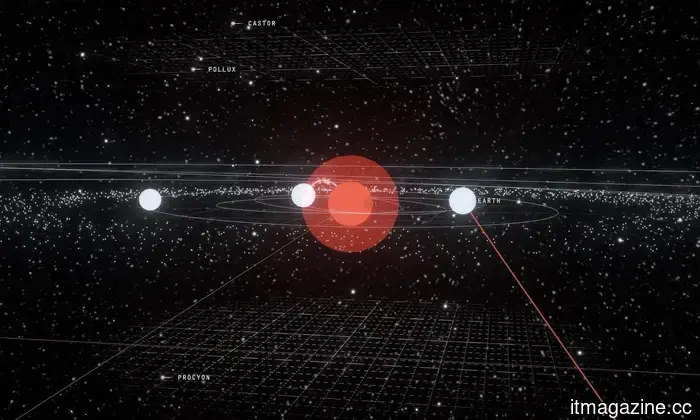
The map provides a Color view and a Petrova view. The Color view displays the actual star colors based on GAIA data, while the Petrova view illustrates the path stars took when infected by Astrophage, as described in the story. If you have read the book or watched the film, you will admire the thoughtful construction of this project.
The developer also acknowledged David A. Wheeler’s blog post, which details the Astrophage infection path, as a significant assist in perfecting that aspect of the project.
For those who appreciate open data initiatives, the GAIA DR3 dataset is publicly accessible via ESA’s Gaia Archive, and this project exemplifies the creativity and beauty achievable with a well-executed open data project.
Rachit, a veteran tech journalist with over seven years in the consumer technology sector, provided this information.
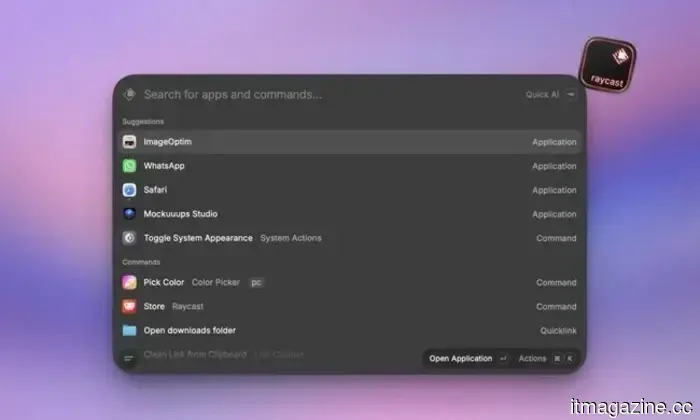
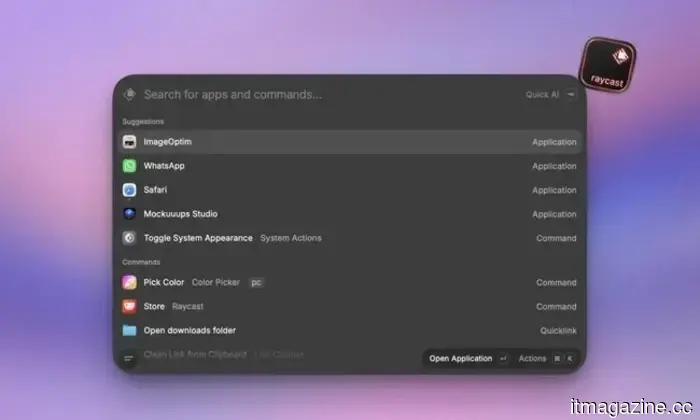
This new feature in Raycast 2.0 is driving me crazy.
Raycast 2.0 is a fantastic enhancement, but one specific change has completely disrupted my workflow.
I have been a Raycast user for years, and it's undoubtedly one of my favorite Mac applications. It is incredibly functional without being intrusive, which is precisely what you want in a productivity tool. Therefore, when Raycast 2.0 was released, I updated within moments.
Overall, I appreciate the new features and interface modifications introduced in the update. However, there is one adjustment that has been subtly irritating me daily since the update, and I feel the need to address it.
OLED MacBook Pros are almost upon us, and the display could be worth the wait.
The OLED MacBook Pro is no longer just a distant aspiration, and your display experience is set for a significant upgrade.
Recently, I wrote an article detailing my excitement for the upcoming MacBook Pro. One aspect I mentioned was the anticipated display enhancements, including a transition to an OLED panel and potentially the incorporation of a touchscreen.
It appears that the OLED rumor is nearing confirmation. According to TheElec, OLED panels for the MacBook Pro have begun mass production. Samsung Display has achieved a significant manufacturing milestone, reaching a yield of over 90% for its 8.6th-generation OLED panels.
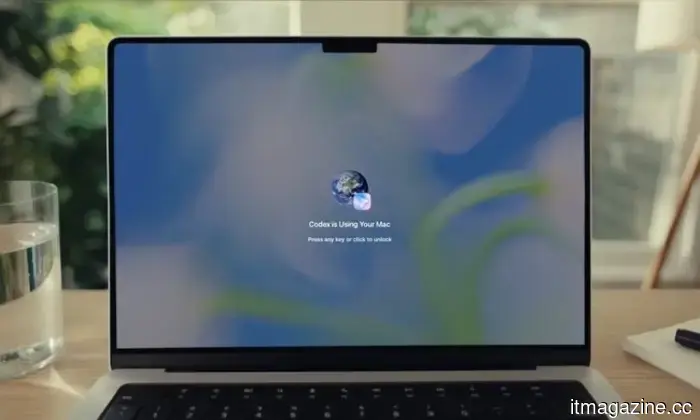
You can now submit Codex tasks from your phone, even when your Mac is locked.
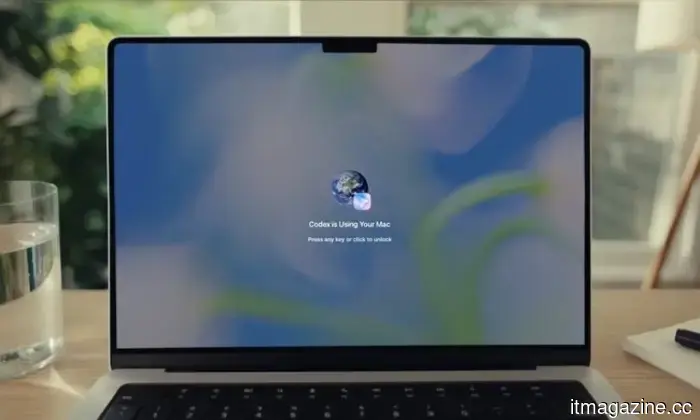
OpenAI's Codex app for Mac has received a major update that feels futuristic. Users can now send tasks to Codex from their phones, enabling the app to utilize applications on their Macs, even with the screen off and the computer locked.
One of the primary challenges for AI agents like Claude Cowork or OpenAI Codex is that they require your Mac to be unlocked and operational for functionality. This presents a major security risk, deterring most users from taking advantage of these features. However, with the latest Codex update, OpenAI seems to have resolved this issue.

Other articles
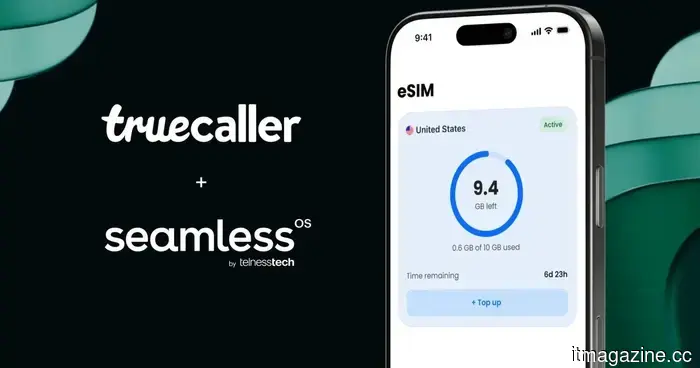 The caller identification application Truecaller is now looking to offer eSIMs for sale.
Truecaller’s Travel eSIM might be useful for international journeys, but the company's track record on privacy may lead some users to hesitate before purchasing mobile data via the app.
The caller identification application Truecaller is now looking to offer eSIMs for sale.
Truecaller’s Travel eSIM might be useful for international journeys, but the company's track record on privacy may lead some users to hesitate before purchasing mobile data via the app.
 Fans of James Bond are abandoning 007 First Light after IO Interactive resorts to a classic villain tactic.
The Steam listing for 007 First Light discreetly integrated Denuvo DRM just six days prior to its release. Due to concerns about performance and long-term accessibility, fans are canceling their pre-orders.
Fans of James Bond are abandoning 007 First Light after IO Interactive resorts to a classic villain tactic.
The Steam listing for 007 First Light discreetly integrated Denuvo DRM just six days prior to its release. Due to concerns about performance and long-term accessibility, fans are canceling their pre-orders.
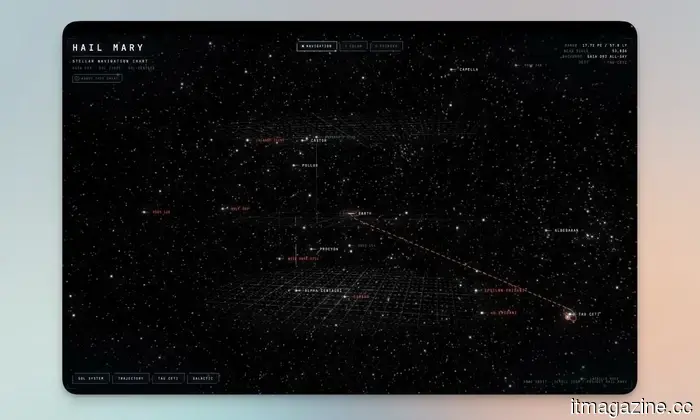
Someone has created a map of the stars based on Project Hail Mary, and it's impressively accurate.
A developer utilized ESA's GAIA DR3 dataset, which charts 1.8 billion actual stars, to recreate the star map from Project Hail Mary. It is precise, interactive, and entirely free to navigate.