
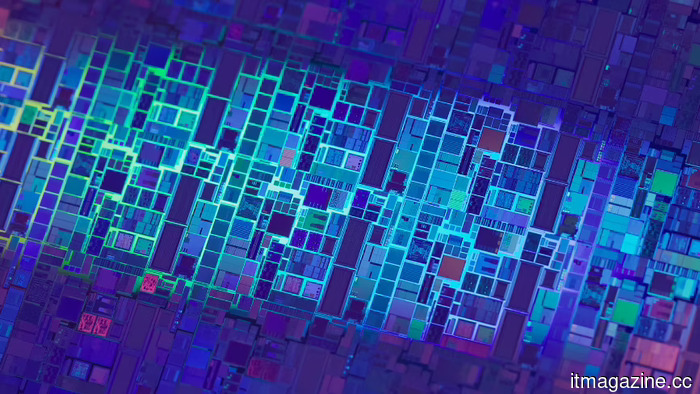
wingtech-nexperia-china-court-dutch-semiconductor-legal-case
Wingtech Technology has initiated legal action against its subsidiary Nexperia in a Chinese court, seeking a minimum of 8 billion yuan (approximately $1.1 billion) in damages due to the Dutch government's takeover of the chip manufacturer. This lawsuit, filed at the Dongguan Intermediate People’s Court, invokes China’s Anti-Foreign Sanctions Law, setting a precedent for how Chinese firms might challenge Western semiconductor restrictions.
The conflict revolves around the Dutch government's decision in October 2025 to seize control of Nexperia, a semiconductor company located in Nijmegen that was acquired by Wingtech in 2019. The Netherlands applied its Goods Availability Act, a law from 1952, citing "serious governance shortcomings" and perceived threats to European economic security. Following the seizure, Wingtech's chairman was suspended from all positions on Nexperia's board.
This seizure marks the first instance of a European government forcibly acquiring a Chinese-owned technology enterprise. The Netherlands argued that Nexperia's large-scale chip production, which serves automotive, consumer electronics, and industrial clients throughout Europe, was too strategically important to remain under Chinese control.
Wingtech contends that the takeover infringed upon its rights as a shareholder and investor. By leveraging China’s Anti-Foreign Sanctions Law, enacted in 2021, the company aims to use legal means to combat actions that Beijing views as discriminatory. A favorable ruling for Wingtech could establish a precedent for Chinese companies and how they might respond to Western semiconductor restrictions.
The legal filing in Dongguan carries significant strategic weight. While Chinese courts lack jurisdiction over the Dutch government, they could potentially impose remedies affecting Nexperia's operations within China. This is crucial, as Nexperia still depends on Chinese factories for part of its chip manufacturing.
In response to the Dutch seizure, China has retaliated by blocking Nexperia from exporting chips produced at its Chinese facilities, thereby disrupting part of the company's supply chain. In turn, Nexperia has made arrangements with local suppliers for wafer production capacity in 2026 and expedited the verification of wafers from Wingtech’s foundry, Wingsky Semi.
Both parties have faced considerable financial repercussions. Wingtech's net loss expanded to 8.7 billion yuan in 2025, partly due to losing control over Nexperia. The company has indicated its intention to seek a separate claim under the China-Netherlands bilateral investment treaty if it cannot regain control via the courts.
This case emerges at a time when semiconductor supply chains are a critical battleground in the broader technology rivalry between China and Western nations. The United States has pressured the Netherlands and Japan to impose stricter export controls on chip-making equipment, particularly affecting ASML, the Dutch lithography company essential for advanced chip production.
U.S. pressure contributed to the Nexperia seizure, with reports indicating that the U.S. demanded the removal of Wingtech’s Chinese CEO prior to the Dutch government's decision. However, the Netherlands has maintained that its actions were independent, framing them instead as measures for national economic security.
For the European semiconductor sector, the case's outcome is significant beyond just this single entity. Nexperia employs thousands across Europe and produces billions of chips each year. Should Beijing's retaliatory actions effectively disrupt supply, European manufacturers reliant on these components are likely to face serious consequences.
The lawsuit also examines the practical application of China’s Anti-Foreign Sanctions Law beyond Chinese borders. Legal experts have debated the statute's extent since its introduction. A ruling in favor of Wingtech would not require the Dutch government to alter its decision but could complicate the status of any Nexperia operations or assets within China.
Wingtech presents its case as a defense of shareholder rights, while the Dutch government describes its intervention as vital to European technological autonomy. Both positions highlight the reality that chip supply chains are influenced by more than just commercial interests. Although the Dongguan court’s ruling may not resolve the overarching conflict, it will indicate how aggressively Chinese legal institutions are prepared to push back.
Other articles
 The excitement surrounding Salesforce's Agentforce exceeds its actual delivery.
Salesforce secured 29,000 Agentforce agreements, yet its stock has decreased by 30% in 2026, and demonstration showcases continue to be unfinished projects.
Forum is Meta's new app for Facebook Groups, and it resembles Reddit quite closely.
Meta has quietly launched Forum, a standalone app similar to Reddit that is based on Facebook Groups, featuring an AI "Ask" tab and an administrative assistant.
The excitement surrounding Salesforce's Agentforce exceeds its actual delivery.
Salesforce secured 29,000 Agentforce agreements, yet its stock has decreased by 30% in 2026, and demonstration showcases continue to be unfinished projects.
Forum is Meta's new app for Facebook Groups, and it resembles Reddit quite closely.
Meta has quietly launched Forum, a standalone app similar to Reddit that is based on Facebook Groups, featuring an AI "Ask" tab and an administrative assistant.
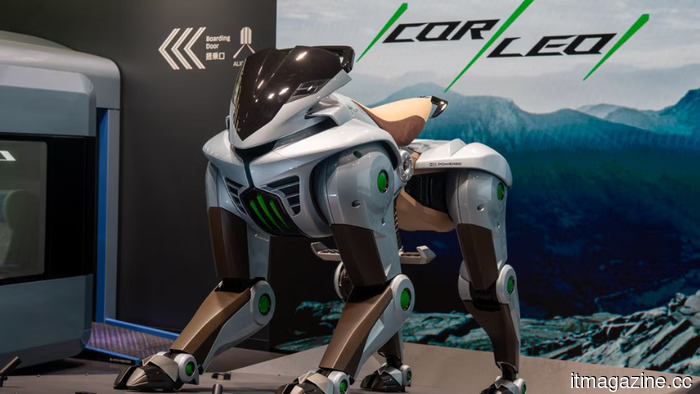 The majority of data breaches begin with a compromised password. Here’s how to address this issue.
Stolen credentials account for 80% of security breaches, yet many teams continue to share passwords via Slack. Proton Pass for Business offers encryption for all data starting at $1.99 per user per month.
The majority of data breaches begin with a compromised password. Here’s how to address this issue.
Stolen credentials account for 80% of security breaches, yet many teams continue to share passwords via Slack. Proton Pass for Business offers encryption for all data starting at $1.99 per user per month.
 The majority of data breaches begin with a compromised password. Here’s how to address that issue.
Stolen credentials are responsible for 80% of breaches, yet many teams continue to exchange passwords via Slack. Proton Pass for Business offers encryption for just $1.99 per user per month.
The majority of data breaches begin with a compromised password. Here’s how to address that issue.
Stolen credentials are responsible for 80% of breaches, yet many teams continue to exchange passwords via Slack. Proton Pass for Business offers encryption for just $1.99 per user per month.
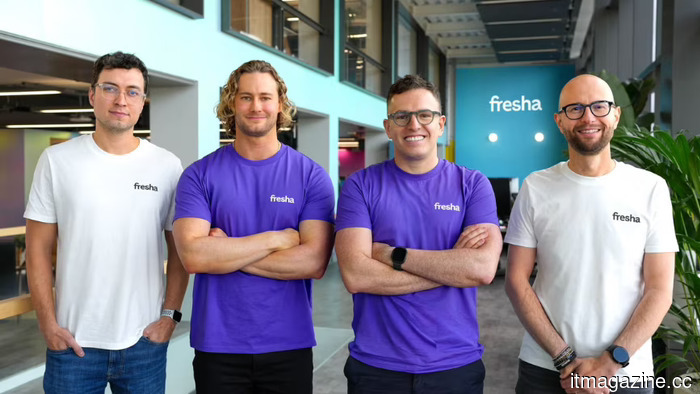 Fresha in London achieves unicorn status following an $80M funding round led by KKR.
Fresha, a beauty and wellness booking platform located in London, has secured $80 million from KKR, achieving a valuation exceeding $1 billion and entering the ranks of UK unicorns.
Fresha in London achieves unicorn status following an $80M funding round led by KKR.
Fresha, a beauty and wellness booking platform located in London, has secured $80 million from KKR, achieving a valuation exceeding $1 billion and entering the ranks of UK unicorns.
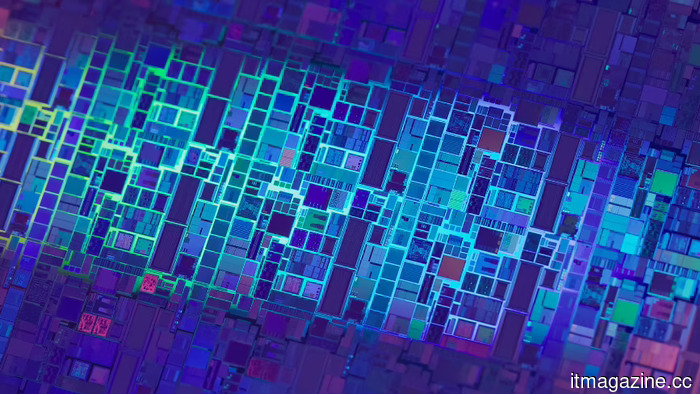 wingtech-nexperia-china-court-dutch-semiconductor-lawsuit
Wingtech is pursuing 8 billion yuan in damages from Nexperia following the Dutch government's takeover of the chipmaker, citing China's Anti-Foreign Sanctions Law.
wingtech-nexperia-china-court-dutch-semiconductor-lawsuit
Wingtech is pursuing 8 billion yuan in damages from Nexperia following the Dutch government's takeover of the chipmaker, citing China's Anti-Foreign Sanctions Law.
wingtech-nexperia-china-court-dutch-semiconductor-legal-case
Wingtech is demanding 8 billion yuan in damages from Nexperia following the Dutch government's takeover of the chipmaker, citing China's Anti-Foreign Sanctions Law.